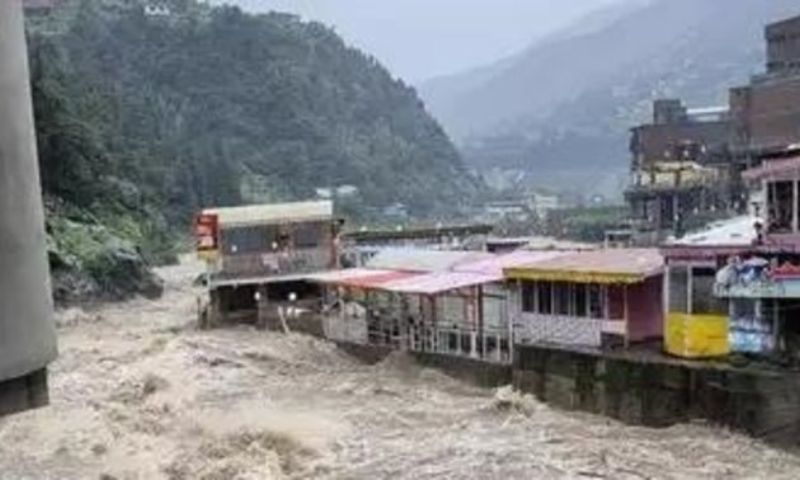
Islamabad, August 3, 2025: At least 299 people, including 140 children, have lost their lives, and 715 others have been injured in flash floods and torrential rains that have battered vulnerable areas across Pakistan since June 26, according to the latest figures released by the National Disaster Management Authority (NDMA).
The fatalities also include 102 men and 57 women. Among the injured are 239 children, 204 women, and 272 men, as the devastating weather continues to take a heavy toll on lives and livelihoods.
According to NDMA data, the monsoon-induced calamities have destroyed or damaged a total of 1,676 houses. Of these, 562 were completely demolished, while 1,114 suffered partial damage. The floods have also resulted in the death of 428 livestock animals, adding to the burden on already struggling rural communities.
NDMA has carried out 223 rescue operations to date, successfully evacuating 2,880 individuals from flood-affected areas. Relief efforts have also included the distribution of 13,466 essential items to affected communities. These include 1,999 tents, 61 ration bags, 958 blankets, 569 quilts, 613 mattresses, 1,282 kitchen sets, 1,163 food packs, 350 life jackets, 1,122 hygiene kits, 2,170 tarpaulins and 146 de-watering pumps.
In addition, 71 medical camps have been established, providing treatment to at least 577 people so far.
NDMA emphasized that joint relief operations with federal and provincial authorities are ongoing and will intensify in the coming days.
Meanwhile the Pakistan Meteorological Department (PMD) has warned of a fresh wave of monsoon activity expected to begin on Monday (August 4), likely bringing heavy rainfall to much of the country through August 7.
Northern and central regions, including Azad Jammu and Kashmir, Gilgit-Baltistan, and parts of Khyber Pakhtunkhwa, are expected to be hit hardest. Strong winds and thunderstorms are also forecast for KP.
Punjab, which has already endured the brunt of the monsoon so far, and the federal capital Islamabad, are also likely to be affected. Southern provinces—Sindh and Balochistan—may experience scattered rainfall around August 6, with heavier activity anticipated around mid-August.
The PMD has cautioned that the upcoming rains could cause flash floods, overflowing streams, urban drainage blockages, and flooding in low-lying areas. Local authorities have been urged to remain on high alert.
Weather officials have noted an unusual shift in monsoon patterns this year, attributed to climate change. While southern Pakistan has remained relatively dry, monsoon currents are expected to shift southward by mid-August.
If the current trend continues, the monsoon season could extend into late September—several weeks beyond the typical end of the season in southern regions.
Meteorologists observed that while monsoon rains are crucial for agriculture and water supplies, their adverse effects are worsening due to rapid urban expansion, poor drainage infrastructure, and more frequent extreme weather events fueled by climate change.
Disaster management authorities have advised citizens—particularly those living in flood-prone and low-lying areas—to remain vigilant, follow safety protocols, and cooperate with local emergency services as the new monsoon system approaches.