Islamabad, August 28, 2025: The Economic Coordination Committee (ECC) on Thursday approved a Rs30.216 billion package to formally close down the Utility Stores Corporation (USC), directing that the process be carried out in a transparent and orderly manner with due protection for employees.
The summary, moved by the Ministry of Industries and Production, proposed measures for employee welfare and the settlement of dues. The ECC authorised the sale of USC assets within the current financial year, clarifying that all closure-related costs would be covered from sale proceeds.
Chairing the meeting, Finance Minister Muhammad Aurangzeb stressed that employee rights remain the government’s top priority, ordering the immediate clearance of dues, arrears, and compensation. The meeting was attended by Federal Ministers Rana Tanveer Hussain, Jam Kamal Khan, and others, while Energy Minister Awais Leghari joined online.
The complete shutdown puts around 12,000 employees at risk of losing their jobs, though around 300 key staff will remain temporarily to facilitate privatisation. The government has announced a Voluntary Separation Scheme (VSS) to cushion the impact, while all liabilities will be settled in three phases.
According to officials, USC currently faces losses worth Rs23 billion, while Rs14 billion in payments remain pending to private vendors.
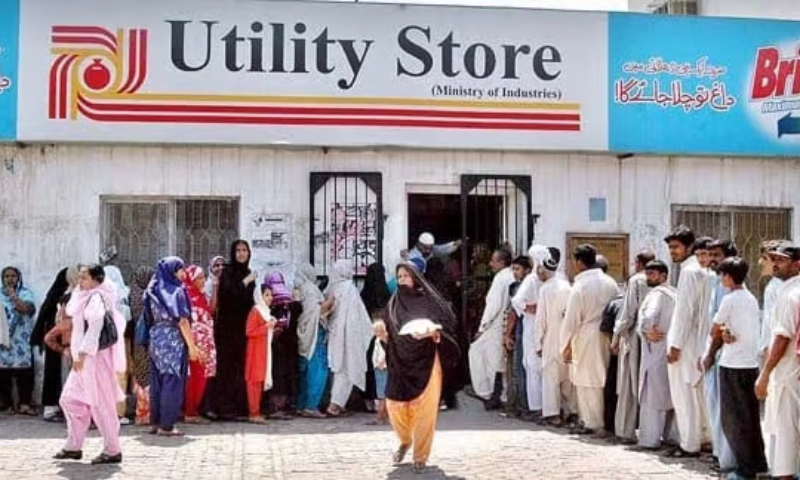
The Ministry of Industries had earlier ordered the permanent closure of Utility Stores effective July 31, halting all sales and procurement. A notification directed that inventories be shifted to central warehouses and assets, including IT systems, be auctioned transparently.
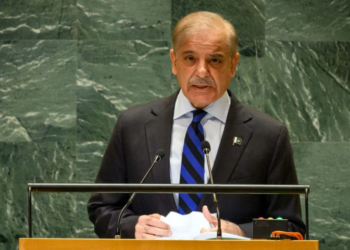
Once a key outlet for subsidised essentials such as flour, sugar, and cooking oil, the USC faced years of financial strain, inefficiency, and criticism over subsidy leakages. Prime Minister Shehbaz Sharif has directed that subsidies be redirected through more targeted platforms such as the Benazir Income Support Programme (BISP), now positioned as the government’s primary social safety net.
Launched in the 1970s, Utility Stores had served millions of low-income households for decades, but shifting policy priorities and mounting losses ultimately sealed its fate.