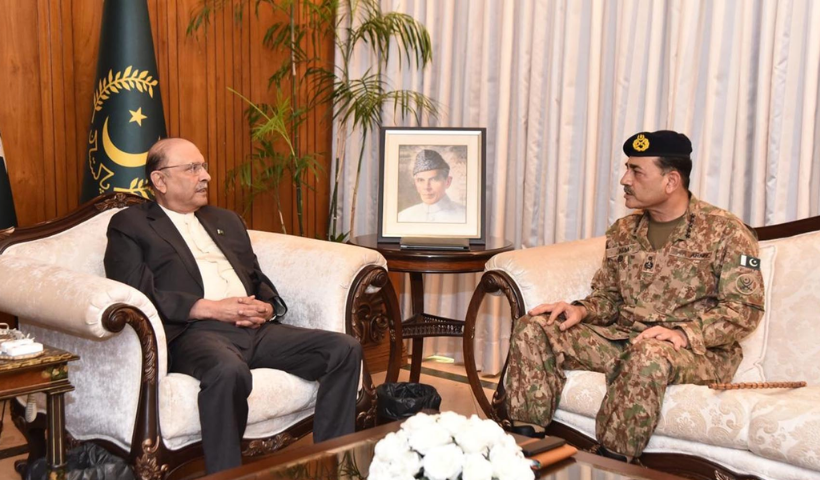
Islamabad, October 15, 2025: Chief of Army Staff (COAS) Field Marshal Asim Munir called on President Asif Ali Zardari at the Presidency on Wednesday to discuss Pakistan’s internal and external security situation amid rising tensions along the Afghan border.
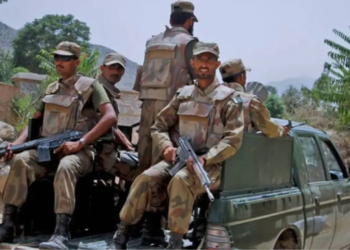
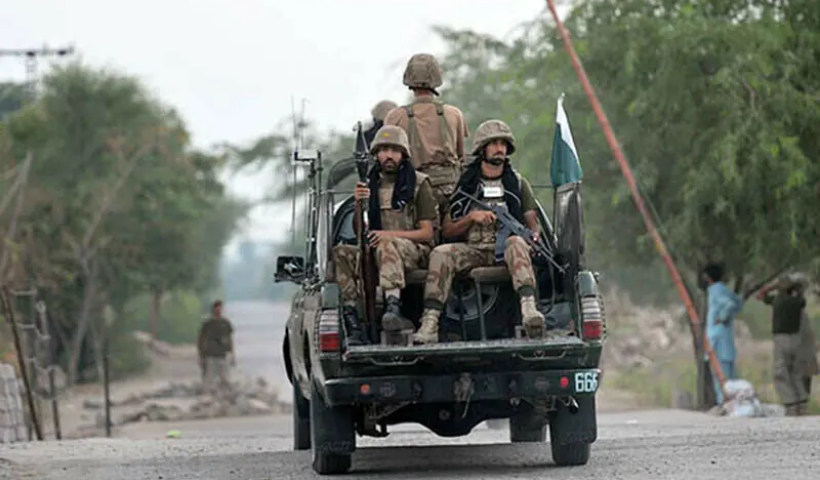
The meeting took place hours after Pakistani security forces repelled an attack by Afghan Taliban fighters along the Balochistan border, killing 15 to 20 assailants, according to the Inter-Services Public Relations (ISPR). It marked the third major cross-border clash between Pakistan and Afghanistan in less than a week, following skirmishes in Kurram on Tuesday night and earlier engagements over the weekend.
A statement issued by the President’s Secretariat said the army chief briefed the president on the overall security landscape, including the “aggressive and provocative actions” of the Afghan Taliban regime and Pakistan’s “measured and befitting response.”
President Zardari reaffirmed that Pakistan would defend its sovereignty and territorial integrity at all costs, expressing full confidence in the “strength, valour, capacity, and preparedness” of the armed forces. He praised their “vigilance and professionalism” in swiftly repelling cross-border attacks along the Afghan frontier.
According to ISPR, 23 Pakistani soldiers were martyred and 29 injured in the weekend skirmishes that began when Afghan Taliban militants attacked border posts. The military said intelligence assessments indicated that over 200 Taliban and affiliated fighters were neutralised, with many more wounded.
Kabul claimed its assault was a “retaliatory” action, accusing Islamabad of carrying out air strikes inside Afghan territory last week — a claim Pakistan has not confirmed. Islamabad, however, reiterated its right and resolve to defend itself against cross-border aggression.
The latest clashes come amid a surge in terrorist incidents in Pakistan’s border regions and ongoing intelligence-based operations against militant networks. Islamabad has repeatedly urged the Afghan interim government to prevent militant groups from using its soil for attacks, a claim Kabul continues to deny.
Observers warn that the recent escalation has further strained already fragile ties between the two neighbours, reviving long-standing tensions over cross-border militancy and security cooperation.