Islamabad, November 19, 2025: Minister for Climate Change Dr Musadik Malik on Wednesday called for climate-induced disasters to be treated as a “political” priority, outlining Pakistan’s long- and short-term strategies to mitigate losses and prepare for the next monsoon season.
Monsoon rains, which fall from June to September, are crucial for replenishing water supplies but often trigger deadly floods, landslides, and displacement, particularly in vulnerable, poorly drained, or densely populated areas. Data from Punjab’s disaster management authority shows that this year’s floods affected at least 4.7 million people across 4,700 villages.
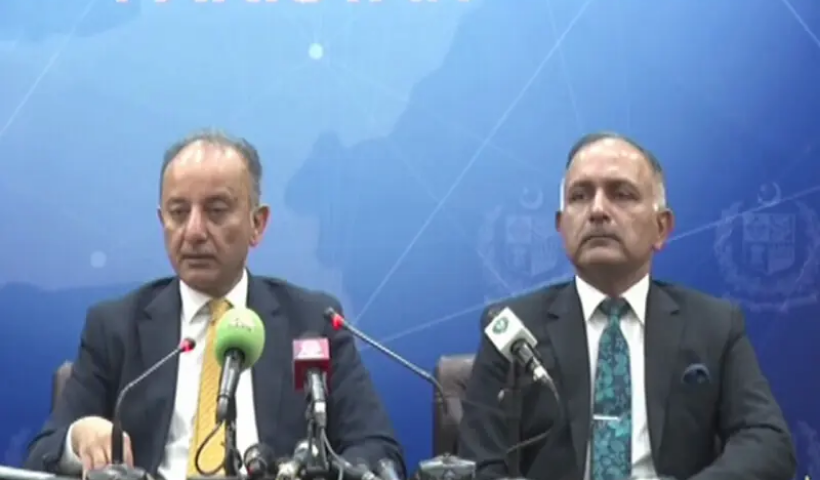
Speaking at a press conference alongside NDMA Chairman Lieutenant General Inam Haider Malik, Dr Malik said climate vulnerability is largely ignored in political discourse. “The 2022 floods alone caused losses exceeding 9% of GDP. Since 2010, there have been four to five major floods. Over 4,500 people have died in these disasters — more than in some wars,” he said.
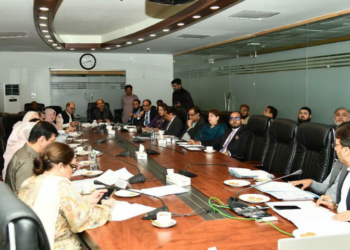
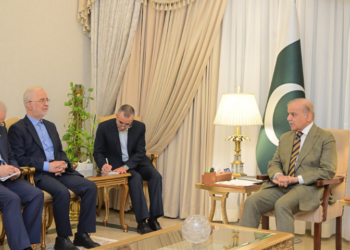
Dr Malik noted that the Prime Minister chaired a detailed briefing earlier in the day, covering assessments of riverine flooding, mountain torrents, urban flooding, coastal risks, and glacial lake outburst floods.
The minister outlined a three-tier government strategy:
- Short-term (240–250 days): Repair damaged dykes, floodgates, and other infrastructure.
- Medium-term (1–3 years): Upgrade undersized drainage and flood mitigation systems, including in cities like Karachi.
- Long-term (3–5 years): Build resilient, climate-adaptive infrastructure.
The plan also includes local-level early warning systems, temporary schooling for displaced children, mobile healthcare units, and community-level training in vulnerable districts.
Lt Gen Inam Haider Malik stressed that Pakistan remains among the world’s most climate-affected countries. NDMA forecasts indicate that the 2026 monsoon could bring 22–26% more intense rainfall compared to this year. He added that cooperation between provinces and the federal government is essential, and measures such as controlled tourism and movement may be enforced in June and July to reduce losses.