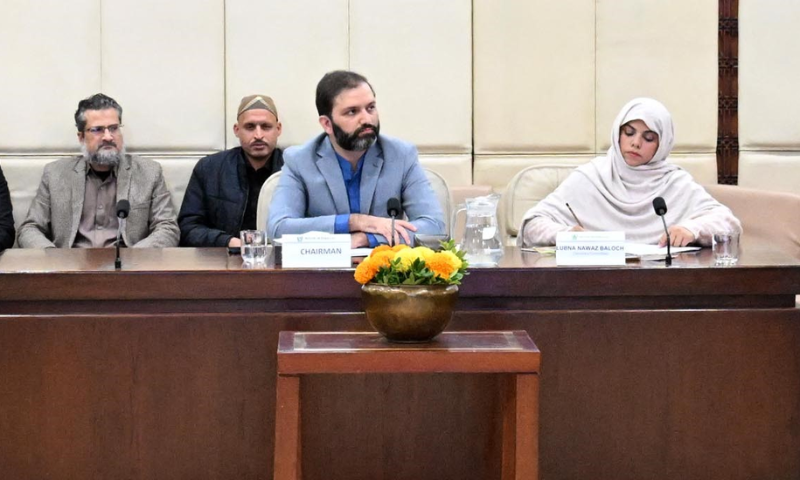
Islamabad, January 30, 2026: The Standing Committee on National Health Services, Regulations and Coordination (NHSR&C) convened under the chairmanship of Dr. Mahesh Kumar Malani, MNA, to review pressing public health issues, regulatory lapses in the private healthcare sector, and policy challenges affecting medical education and patient welfare.
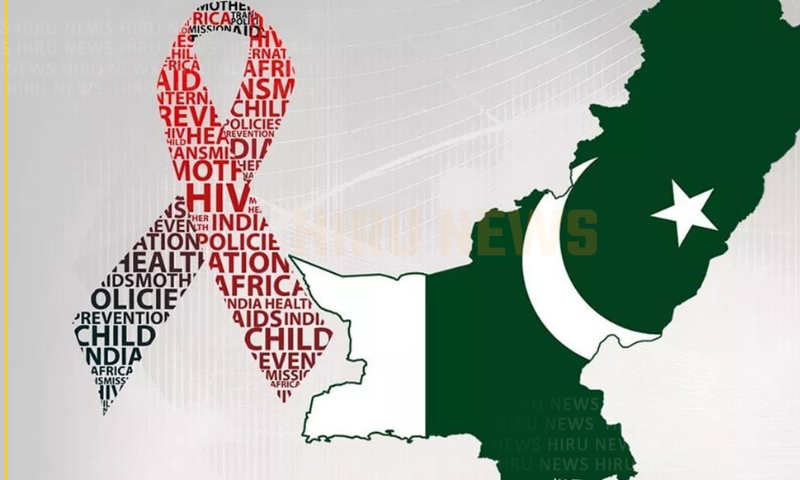
The Committee expressed serious concern over Pakistan’s HIV situation, noting 300,000 reported cases, of which only 87,000 have been diagnosed and 34,000 are under treatment. Members highlighted alarming reports of HIV-positive newborns, particularly in Sindh, and directed the Ministry to urgently clarify whether these cases reflect actual incidence or misinformation. The Committee stressed the need for random testing, preventive measures, nationwide awareness campaigns, and stricter regulation of unsafe injection practices, including syringe reuse and unnecessary injections in private healthcare facilities.
The Ministry acknowledged stigma, lack of awareness, and unsafe medical practices as key contributors to HIV transmission, while the Committee urged promotion of lifestyle medicine, preventive healthcare, and public awareness, alongside stronger regulatory oversight to reduce disease burden and healthcare costs.
On medical education, the Committee reviewed MDCAT results, vacant seats, and seat-switching issues. The Pakistan Medical and Dental Council (PMDC) indicated a window for filling remaining seats and proposed a 10% additional quota for students from previous years. The Committee directed PMDC to establish a permanent policy on MDCAT validity, amend related provisions, and resolve recurring issues regarding difficult examinations and seat vacancies. The Committee also scheduled detailed discussion on the Pakistan Nursing and Midwifery Council Ordinance, 2025, requiring a comparative analysis with the previous Act of 2023 within three days, including Council member notifications and expert inputs.
The Committee expressed serious dissatisfaction over the Islamabad Healthcare Regulatory Authority (IHRA). It found that no private hospitals or dispensaries in Islamabad held valid licenses despite IHRA’s establishment in 2018. Members raised concerns over unregulated pricing, weak inspection mechanisms, lack of social welfare compliance, patient and body detention over unpaid bills, unsafe medical practices, illegal clinics, and over-the-counter sale of medicines. Allegations of inspection harassment and conflicts of interest within IHRA were also noted.
Representatives from private hospitals, including Shifa International, Farooq, Kulsoom, and Quaid-e-Azam International, presented their positions. Farooq Hospital was commended for providing 35% welfare care under the Sehat Sahulat Programme, and Shifa International committed to submitting detailed welfare data. IHRA reported recent improvements, including a new CEO, expansion of inspection teams from 12 to 26, a constituted registration board, and planned online licensing. The Committee granted IHRA one month to process applications, enforce strict regulatory compliance, display rate lists publicly, adopt Sehat Sahulat Cards for teaching hospitals, and ensure lifesaving emergency care with failure being treated as a criminal offense.
The Committee also sought updates on NIPA virus preparedness, cross-border health SOPs, and monkeypox, following reports of two confirmed deaths. The Ministry was directed to provide preventive, surveillance, and containment measures in response.
The meeting was attended by MNAs Sabheen Ghoury, Zahra Wadood Fatemi, Farah Naz Akbar, Dr. Shazia Sobia Aslam Soomro, Dr. Nikhat Shakeel Khan, Dr. Darshan, Gul Asghar Khan, Aliya Kamran, and Farukh Khan, along with senior officials from NHSR&C, PMDC, DRAP, AHPC, IHRA, and representatives from private hospitals in Islamabad.