Islamabad, January 31, 2026: President of the Federation of Pakistan Chambers of Commerce and Industry (FPCCI), Atif Ikram Sheikh, on Friday said that the business community wholeheartedly welcomes Prime Minister Muhammad Shehbaz Sharif’s historic economic relief package, describing it as a decisive turning point in the country’s “Maarka-e-Maishat” (Economic Battle).
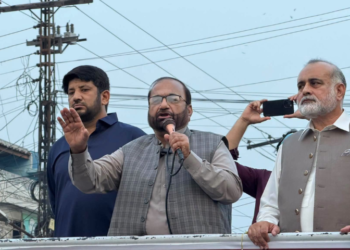
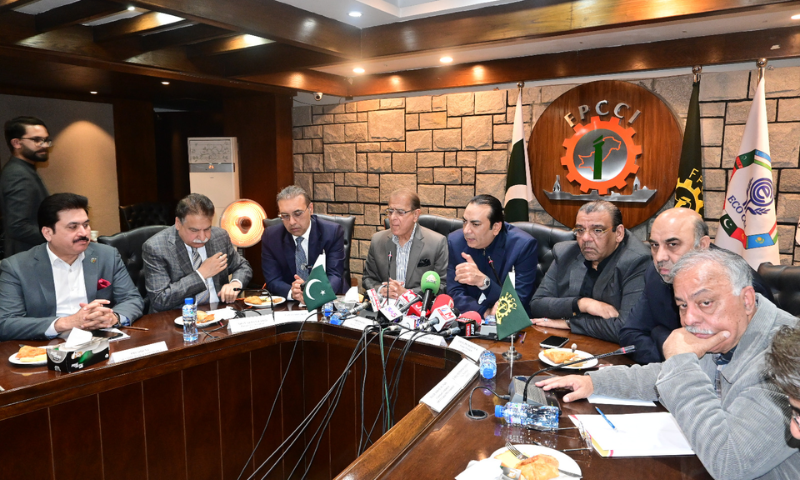
Addressing a press conference at the FPCCI Capital Office, Sheikh said the package firmly places Pakistan on the path toward export-led growth and economic revival. He emphasized the urgent need to promote a “District Economy” model, stating, “Our resolve is to transform ‘Made in Pakistan’ into a globally respected brand and turn the country into an export-led powerhouse.”
The FPCCI president stressed that the federation’s approach is rooted in cooperation rather than confrontation. “We fully recognize the constraints arising from the IMF programme and the government’s fiscal limitations, yet we believe meaningful progress can be achieved through partnership and constructive engagement,” he said.
Sheikh welcomed the reduction in electricity tariffs by Rs 4.04 per unit, calling it a major relief for industries grappling with high production costs. He expressed hope that further reductions would follow in the coming days.
He also highlighted the activation of the wheeling mechanism—one of FPCCI’s long-standing demands—saying it would allow industries access to comparatively cheaper energy and enable exporters to meet global competitiveness standards.
On monetary policy, the FPCCI chief urged the State Bank of Pakistan to continue easing, proposing a gradual reduction of the policy rate to 7 percent. He said lower interest rates are essential to stimulate investment, revive industrial activity, and reduce poverty.
The announcement of the Blue Passport facility for exporters was described as a landmark step. Sheikh said the initiative would restore the prestige of Pakistan’s business community and significantly boost morale, encouraging greater participation in export markets.
Despite welcoming the package, Sheikh warned that the immediate recovery of Rs 300 billion under the Super Tax could “break the back of the industry.” He cautioned that such a move could trigger a severe liquidity crunch and destabilize the business ecosystem, urging the government to adopt a more balanced and pragmatic approach.
To address structural economic challenges, FPCCI proposed the appointment of a District Economic Commissioner in every district, modeled on the roles of Deputy Commissioners and District Police Officers. According to the proposal, these officials would focus on:
- Local-level industrial research and SME development
- Human resource development and women’s economic inclusion
- Creating employment opportunities at the grassroots level
- Appeals on Inter-Provincial Trade and Budget Reforms
The FPCCI leadership, including Vice President Tariq Jadoon, Chairman Coordination Malik Sohail Hussain, and various chamber presidents, urged the Prime Minister to take immediate notice of the suspension of flour supply from Rawalpindi and Islamabad to Khyber Pakhtunkhwa, warning of potential food security implications.
They also called for the upcoming federal budget to prioritize tax rationalization and shift toward digital enforcement mechanisms instead of coercive measures. The leadership emphasized that the economic package is crucial for reviving closed industrial units and supporting Small and Medium Enterprises (SMEs), which they described as the backbone of Pakistan’s economy.
Senior business figures, including former FPCCI President Ghazanfar Bilour, Chairman Founder Group ICCI Tahir Sadiq, President Rawalpindi Chamber Usman Shaukat, former FPCCI Vice President Mian Akram Farid, and Advisor to FPCCI President Sheikh Muzammil Saleem, also welcomed the government’s measures.
They said the reduction in electricity tariffs would significantly lower production costs, revive idle industrial capacity, and accelerate SME growth. Reiterating support for the Blue Passport initiative, the leaders said it would enhance exporters’ global mobility and help drive sustained export-led growth.
The FPCCI leadership concluded that consistent government-business collaboration is essential to achieving long-term economic stability, industrial revival, and sustainable development.