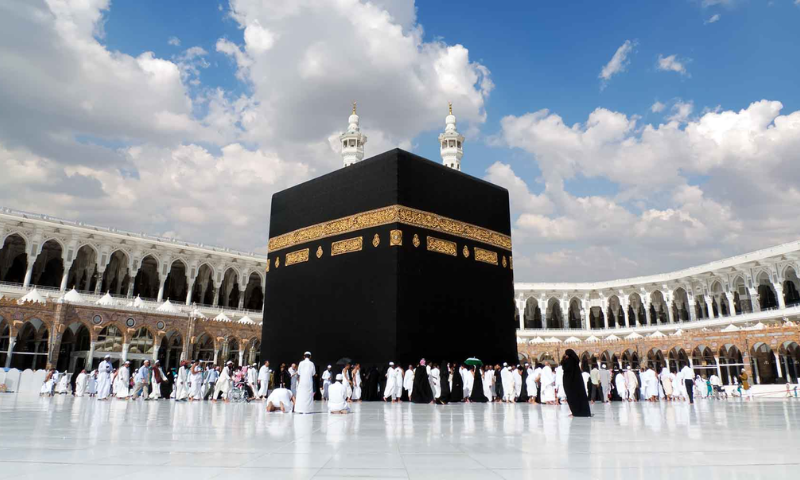
Islamabad, March 15,2026: The Ministry of Religious Affairs and Interfaith Harmony has released a comprehensive guidebook titled “Rehnuma-e-Hajj 2026” to assist intending pilgrims with all aspects of the Hajj journey, from departure in Pakistan to the completion of rituals and return home.
The detailed booklet serves as a complete manual, explaining every stage of the pilgrimage in simple and accessible language. According to the ministry, the guide aims to help pilgrims perform Hajj smoothly while complying with Saudi regulations and Islamic teachings.
The compilation and research of the document were carried out by the ministry’s Research and Reference Wing. The team included Director General Hafiz Abdul Quddus, Deputy Director Dr Shahid ur Rehman, Deputy Director Muhammad Khaliq and Assistant Director Ayesha Ijaz. Misbah ur Rehman (Section Officer) and Jameel ur Rehman (Assistant Director IT) from the Hajj Wing also contributed to its preparation.
The guidebook is divided into several chapters covering key aspects of the pilgrimage. A section on travel preparations and administrative matters provides guidance on the obligation and intention of Hajj, pre-departure arrangements in Pakistan, luggage packing, protection of travel documents and foreign exchange procedures. It also warns pilgrims against carrying prohibited items such as narcotics and certain food products.
Emphasising the use of modern technology, the booklet also introduces digital tools for pilgrims. It provides step-by-step guidance on using the Pak Hajj App and the Saudi Visa Bio App, through which pilgrims can access flight schedules, accommodation details, training programmes and lodge complaints.
A significant portion of the guide focuses on the proper performance of Hajj and Umrah rituals, including Tawaf, Sa’i, the method of wearing Ihram, and the types of Hajj — Ifrad, Tamattu and Qiran. It also outlines the procedures for staying in Mina, Arafat, and Muzdalifah, as well as the Sunnah method of Rami al‑Jamarat.
The guide also prioritises the health and safety of pilgrims. It stresses mandatory vaccinations for meningitis and influenza, along with polio drops, and provides precautions to prevent heatstroke, respiratory infections and other health risks during the pilgrimage.
Another chapter focuses on the Ziyarat of Medina, detailing visits before or after Hajj. It includes guidance on offering prayers at Al‑Masjid an‑Nabawi, presenting respects at the Roza-e-Rasool (PBUH), and visiting historical sites such as Masjid Quba and Masjid Ghamama.
The ministry expressed confidence that the “Rehnuma-e-Hajj 2026” will enable pilgrims to perform their religious obligations with ease while ensuring discipline and full compliance with the laws and regulations of Saudi Arabia throughout their spiritual journey.