Tehran/Islamabad/Washington/Tel Aviv, March 30, 2026: Iran on Monday ruled out any direct negotiations with the United States so far, even as backchannel messages and regional mediation efforts continue amid an intensifying conflict that has spread across the Middle East.
Iranian Foreign Ministry spokesperson Esmaeil Baghaei said Tehran had only received messages through intermediaries indicating Washington’s willingness to negotiate. “We have not had any direct negotiations with the US so far,” he said, adding that the proposals conveyed contained “excessive and unreasonable requests.”
Baghaei stressed that Iran’s position remains unchanged, asserting that the country is focused on defending itself in the face of what it described as military aggression. He also distanced Tehran from recent diplomatic initiatives, including a meeting hosted by Pakistan involving regional foreign ministers, noting Iran did not participate in that framework.
Pakistan’s mediation efforts
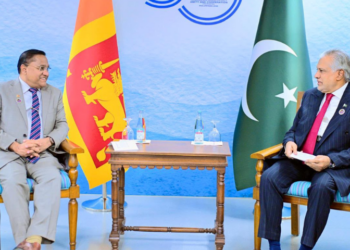
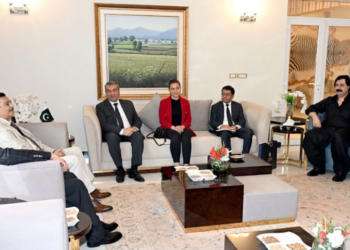
Pakistan has stepped up diplomatic efforts to de-escalate tensions, offering to host talks between Washington and Tehran. Deputy Prime Minister and Foreign Minister Mohammad Ishaq Dar said Islamabad would be “honoured” to facilitate meaningful negotiations aimed at achieving a comprehensive settlement, though it remains unclear if both sides will attend.
A Pakistani security official indicated that direct US-Iran talks were unlikely this week but said efforts were ongoing to bring the two sides to the table.
Trump signals openness, issues warning
US President Donald Trump struck a mixed tone, saying Washington had engaged Iran “directly and indirectly” and describing Iran’s new leadership as “very reasonable.” He expressed optimism about reaching a deal but warned of severe consequences if negotiations fail.
In a social media post, Trump threatened to target Iran’s critical infrastructure, including oil facilities and power plants, if key demands—such as keeping the Strait of Hormuz open—are not met.
Conflict widens across region
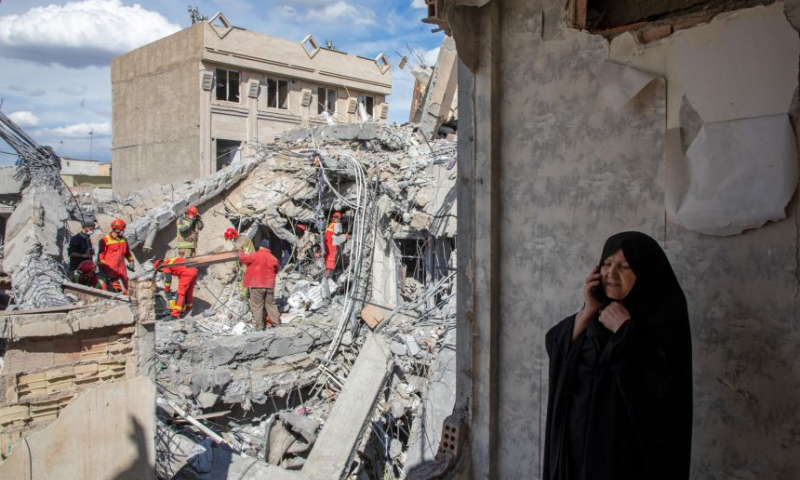
The conflict, which began with US and Israeli airstrikes on Iran on February 28, has since expanded significantly. Iranian retaliation has included missile and drone attacks targeting Israel and US-linked sites across the region.
Israel reported intercepting missiles launched from Iran and confirmed ongoing airstrikes targeting military infrastructure in Tehran. Meanwhile, Yemen’s Iran-aligned Houthi group has joined the conflict, firing missiles toward Israel, raising concerns over further regional escalation.
In Iraq, a military airbase near Baghdad International Airport was hit by rockets, destroying an aircraft but causing no casualties. In Syria, bases hosting US forces were targeted by drones and rockets, resulting in material damage.
Nuclear concerns and strategic threats
Baghaei also revealed that Iran’s parliament is reviewing a potential withdrawal from the Nuclear Non-Proliferation Treaty, a move that could further heighten global concerns over nuclear proliferation.
The conflict has also brought renewed focus on strategic assets such as Kharg Island, which handles the majority of Iran’s oil exports. Trump suggested the US could seize the key oil hub, significantly escalating tensions.
Global economic fallout
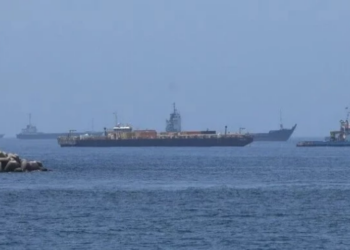
The war has triggered severe disruptions in global energy markets, particularly due to Iran’s effective blockade of the Strait of Hormuz, through which roughly 20 percent of the world’s oil and gas supplies pass.
Oil prices have surged sharply, with Brent crude heading toward record highs, while global stock markets have declined amid fears of prolonged instability, rising inflation, and potential recession.
International reactions
European Council President António Costa reiterated the European Union’s solidarity with Gulf countries and called for immediate de-escalation.
Meanwhile, António Guterres condemned the killing of a UN peacekeeper in Lebanon, urging all parties to respect international law and ensure the safety of UN personnel.
Spain has also reportedly closed its airspace to US military aircraft involved in the conflict, reflecting growing international divisions over the war.
Mounting human and strategic costs
With thousands reported dead and critical infrastructure damaged across multiple countries, the conflict is rapidly evolving into one of the most significant geopolitical crises in recent history.
Despite diplomatic signals, the gap between Washington and Tehran remains wide, leaving uncertainty over whether mediation efforts—particularly those led by Pakistan—can yield a breakthrough in the coming days.