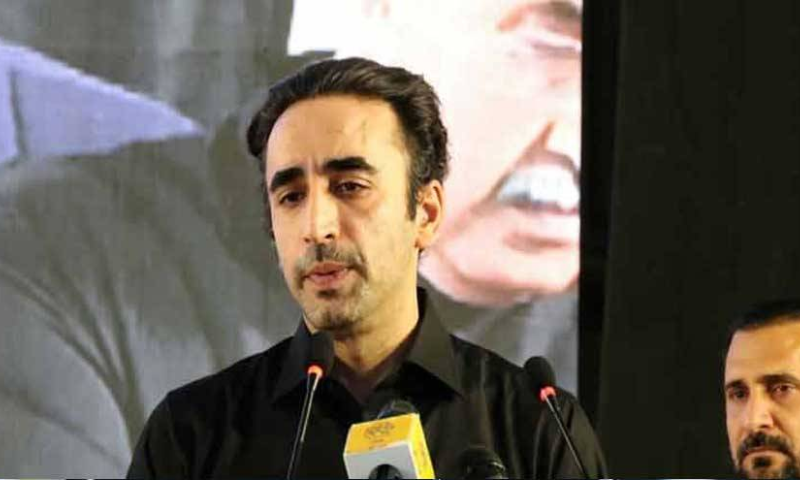
Garhi Khuda Bakhsh, April 4, 2026: Bilawal Bhutto Zardari, Chairman of the Pakistan Peoples Party (PPP), has strongly condemned the ongoing war against Iran, terming it unlawful and warning that escalating tensions in the Middle East could trigger a broader global conflict.
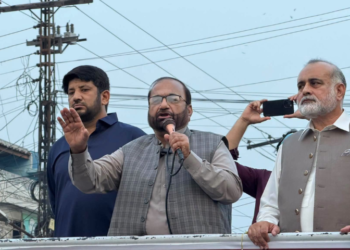
Speaking at a gathering marking the 47th death anniversary of PPP founder and former prime minister Zulfiqar Ali Bhutto, Bilawal expressed grave concern over reported attacks, including a strike on a school in Iran that reportedly killed children, calling it a deeply tragic incident.
The former foreign minister criticized the ongoing aggression, noting that the already volatile regional security situation was worsening, with repercussions being felt globally, including in Pakistan. He stressed that war does not resolve disputes and instead causes the greatest suffering to civilians.
Bilawal said Pakistan, along with other countries, is supporting efforts aimed at achieving a ceasefire and restoring stability in the region. “We pray for all those forces, including the Pakistani government, working to achieve a ceasefire,” he stated.
Referring to Pakistan’s defense capabilities, he said the country’s nuclear strength—envisioned by Zulfiqar Ali Bhutto—serves as a strong deterrent against external threats.
Reaffirming his party’s stance on unity, Bilawal said the PPP has consistently worked to bring the nation together during challenging times and would continue to do so. He emphasized the need for political consensus, urging federal and provincial governments to cooperate in the national interest amid economic pressures exacerbated by Middle East tensions.
On the domestic front, he announced that the PPP-led Sindh government is preparing a fuel subsidy plan for private transport operators to prevent fare hikes.
His remarks follow recent relief measures announced by Sindh Chief Minister Murad Ali Shah, including a Rs2,000 subsidy for registered motorcyclists for April after a sharp increase in fuel prices.
The relief package also includes financial support for the transport sector, with subsidies for passenger buses, trucks, and intra-city transport to ease the burden on the public.