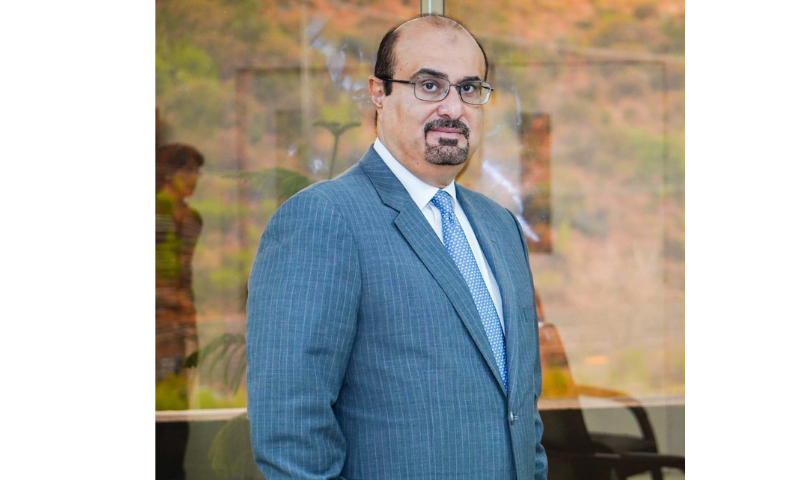
Islamabad, April 5,2026: Pakistan holds significant potential to become a global hub for medical tourism, but success will depend on execution, not just cost competitiveness, said Yasir Khan Niazi, a healthcare strategist and Group CEO of GAK HealthCare International.
“Medical tourism is not built by low cost alone,” Yasir Niazi stated.
He said that “In global healthcare, patients do not cross borders for discounts. They travel for trust. They travel for outcomes. They travel when a country convinces them that its systems, people, and institutions can deliver safe, reliable, and high-quality care.”
According to Yasir Niazi, Pakistan possesses exceptionally capable doctors, resilient clinical talent, and institutions capable of evolving into regional benchmarks. “From tertiary care hospitals to teaching institutions, there are visible examples of how quality healthcare and medical education can coexist to produce consistent clinical standards. What we possess is not a lack of competence. What we lack is systematic execution at a national level.”
He emphasized that execution, not potential, is the key differentiator in healthcare. “For Pakistan to unlock medical tourism at scale, not as an occasional success story but as a sustained national sector, the focus must quietly but firmly shift to the foundations that make patients feel secure beyond borders.”
Yasir Niazi outlined the critical components for success:
Clinical quality aligned with international standards, including measurable outcomes, strict safety protocols, infection control, and transparent quality systems.
Patient journey management, including visa facilitation, responsive communication, coordinated case handling, airport reception, hospitality integration, and post-treatment follow-up.
Institutional credibility at a national level, with consistent patient experience, clinical delivery, and communication standards.
Strategic alignment between healthcare providers, government authorities, regulators, hospitality partners, and investors.
GAK HealthCare Group CEO further noted the broader impact: “A well-structured medical tourism framework elevates standards across the entire healthcare system, strengthens infrastructure, creates employment for healthcare professionals, contributes valuable foreign exchange, and projects Pakistan with renewed confidence on the regional and global stage.”
Highlighting Pakistan’s geographic and strategic advantage, Yasir Niazi said, “Regions across South Asia, Central Asia, the Middle East, and parts of Africa are actively seeking dependable, cost-effective, and quality healthcare destinations. With thoughtful coordination and the right execution model, Pakistan can serve as a healthcare hub for millions beyond its borders.”
He concluded, “This is not a side opportunity. It is a serious national opportunity. The conversation must now move from acknowledging potential to building systems. From celebrating individual excellence to establishing institutional reliability. From competing on cost to competing on trust. If we commit to quality, coordination, and long-term thinking, Pakistan can develop a medical tourism sector that is credible, competitive, and globally relevant. The scope is real. What remains is the collective will to build the structure around it.”