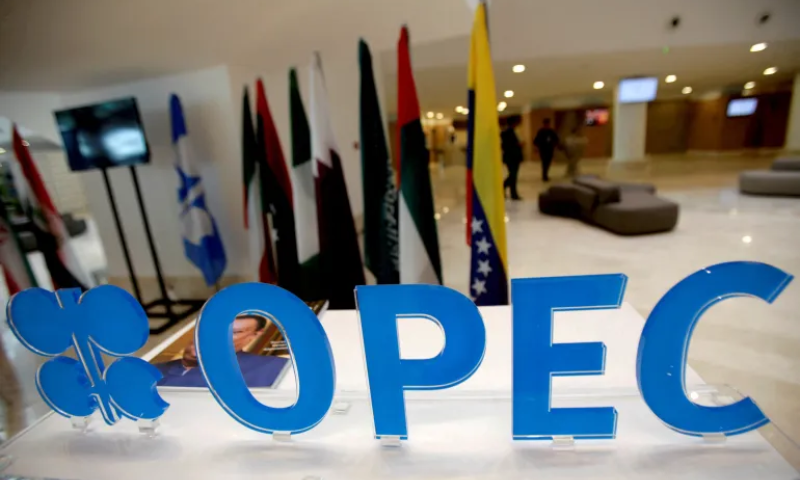
Abu Dhabi, April 28, 2026: The United Arab Emirates has announced its withdrawal from the OPEC and OPEC+, marking a major geopolitical and economic shift amid the ongoing Iran conflict and escalating global energy crisis.
The announcement comes as tensions linked to the Iran war continue to disrupt global energy supplies, particularly through the strategically vital Strait of Hormuz, where shipping flows have been heavily affected.
The UAE, a key Gulf energy producer and longstanding OPEC member, said the move reflects mounting concerns over regional security and what it described as inadequate collective responses to Iranian attacks during the conflict.
The decision has raised concerns about potential fragmentation within the global oil alliance, which has long relied on coordinated production policies to stabilise markets.
Global markets reacted immediately to the development, with crude prices surging above $110 per barrel as supply fears intensified.
Brent Crude rose around 3% to $111.40 per barrel, while US benchmark WTI Crude climbed 3.8% to $100.
The spike comes as the Iran conflict remains unresolved, with shipping disruptions in the Strait of Hormuz severely constraining global oil flows. Analysts estimate that a significant portion of global crude and LNG shipments normally pass through the chokepoint.
The UAE decision follows sharp criticism from senior Emirati officials, including diplomatic adviser Anwar Gargash, who said Gulf states had shown a weak collective response to recent Iranian strikes.
Meanwhile, global diplomatic efforts to resolve the crisis remain stalled. US officials reportedly said President Donald Trump is dissatisfied with Iran’s latest proposal, which does not directly address nuclear concerns.
The energy shock has triggered broader financial market instability. Global equities declined, with US and tech-heavy indices falling as investors weighed the impact of prolonged high energy prices.
Analysts warn that sustained disruption in oil flows through the Strait of Hormuz could deepen inflationary pressures worldwide, especially if diplomatic efforts fail to restore stability in the region.
For now, the UAE’s exit from the world’s most influential oil-producing alliance marks a dramatic escalation in an already volatile geopolitical and economic landscape.