Islamabad, April 28, 2026: The National Electric Power Regulatory Authority (NEPRA) on Tuesday withdrew, ab initio, the requirement of a licence and the Rs1,000 per kilowatt licensing fee for solar net-metering consumers with systems below 25 kilowatts.
The decision comes just two days after the Power Division directed NEPRA to abolish the fee structure following widespread public criticism over what many described as “taxing sunlight”.
In an official notification, NEPRA confirmed amendments to its prosumer regulations, stating that no licensing fee will apply to distributed generation systems up to 25kW. However, systems above that capacity will still be required to pay a one-time fee of Rs1,000 per kilowatt.
The regulator clarified that the new framework will be deemed effective from February 9, 2026.
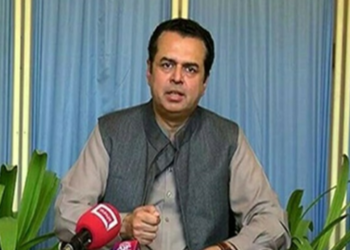
Earlier in the day, NEPRA member Amina Ahmed said the authority was reviewing the government’s proposal but stressed that policy decisions would not be communicated through informal channels or press briefings before formal approval.
Within hours, the regulator issued the revised notification in line with directives from the Power Division.
On Sunday, the Power Division, on instructions from Power Minister Awais Leghari, formally requested NEPRA to withdraw the licensing requirement.
The ministry argued that the previous regime under 2015 regulations allowed systems up to 25kW to operate without a licence, with approvals handled directly by distribution companies and without any fee — a policy widely seen as encouraging residential solar adoption.
The recent shift to centralised approval and new fees had drawn strong criticism from stakeholders, including solar industry groups and renewable energy companies, who warned that the changes would create unnecessary bureaucratic hurdles and discourage investment in clean energy.
The Power Division had previously defended its position, but mounting criticism on social media and from industry associations intensified pressure on the government.
Critics accused the policy shift of undermining Pakistan’s solar adoption drive, while supporters of the rollback welcomed the move as a relief for consumers.
Over recent years, solar net metering policy has seen repeated revisions, including attempts to shift toward net-billing mechanisms and adjustments to incentives for existing and new prosumers. Several of these changes were later reversed following public backlash.
The latest reversal highlights continued uncertainty in Pakistan’s renewable energy policy framework, particularly regarding regulatory control, consumer incentives, and the balance between grid management and solar expansion.
Energy sector analysts say the repeated policy shifts risk creating confusion among investors and consumers at a time when Pakistan is seeking to accelerate its transition toward cleaner and cheaper energy sources.