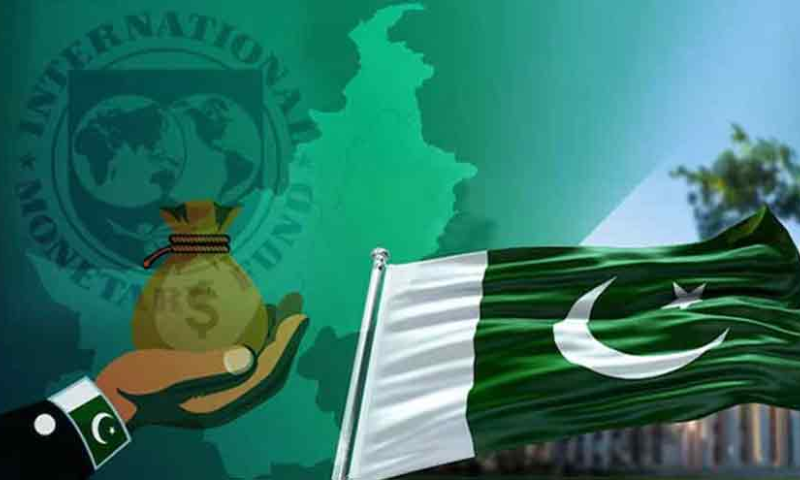
Washington/Islamabad, May 8, 2026: The International Monetary Fund has approved a $1.2 billion tranche for Pakistan under its ongoing financial assistance programme, following Islamabad’s agreement to adopt nearly a dozen additional reform conditions aimed at strengthening macroeconomic stability.
The IMF Executive Board’s approval comes after Pakistan accepted new policy commitments and assured the Fund that it would continue adhering to pre-agreed fiscal and monetary targets despite economic pressures and external shocks.
Officials said the disbursement is expected early next week, which would raise Pakistan’s foreign exchange reserves to over $17 billion.
With the latest tranche, Pakistan has so far received $4.5 billion under two IMF-supported financing packages totaling $8.4 billion. The country also retains access to an additional $1 billion under the Extended Fund Facility and $200 million under the Resilience and Sustainability Facility.
Fiscal discipline and policy commitments
The IMF said Pakistan had shown improved performance on key quantitative targets for the July–December 2025 review period, including meeting the end-December performance criteria and surpassing the floor on net international reserves.
However, the Federal Board of Revenue (FBR) reportedly remained under pressure after missing targets on tax collection, particularly income tax from retailers and overall net revenue generation.
To address the shortfall, authorities increased petroleum levy rates and pledged further reforms in tax administration and revenue collection.
Finance Minister Muhammad Aurangzeb assured the IMF that Pakistan remains committed to “sound and prudent macroeconomic policies” and long-term structural reforms aimed at sustainable and inclusive growth.
Structural reforms and energy pricing
Under the agreement, Pakistan has committed to continued reforms in governance, energy, and climate-related financial frameworks. The IMF noted progress in social protection, gas sector sustainability, and special technology zones.
Authorities also adopted a green taxonomy and issued guidelines on climate-related financial risks and corporate disclosures as part of a climate-linked financing facility.
The government further pledged to maintain regular adjustments in electricity and gas tariffs, while protecting vulnerable consumers through targeted subsidies.
The State Bank of Pakistan has already raised interest rates to 11.5 percent and may further adjust monetary policy if inflation exceeds agreed thresholds.
Budget discipline and long-term targets
Pakistan has committed to maintaining strict fiscal discipline, including achieving a primary budget surplus of Rs3.4 trillion and preparing the upcoming budget in consultation with IMF staff.
For the next fiscal year, the country has agreed to target a Rs2.84 trillion primary surplus, equivalent to 2 percent of GDP.
Officials said the IMF has also linked continued support to legislative and institutional reforms, including amendments to laws governing Special Economic Zones (SEZs) and Special Technology Zones Authority (STZA).
These changes are aimed at gradually phasing out fiscal incentives, shifting toward cost-based support models, and tightening oversight of tax exemptions.
Broader reform agenda
The agreement includes commitments to restrict Export Processing Zones from selling goods in the domestic market by September this year, addressing concerns over tax evasion and regulatory loopholes.
Authorities said nearly 75 conditions have been attached to Pakistan’s IMF programme in under two years, covering taxation, governance, energy pricing, and industrial policy reforms.
Despite the strict conditionalities, officials described the latest approval as a positive signal for Pakistan’s economic stabilization efforts amid global uncertainty, including geopolitical tensions in the Middle East.
The IMF reiterated that sustained reform implementation remains essential for maintaining financial stability and restoring long-term economic resilience.