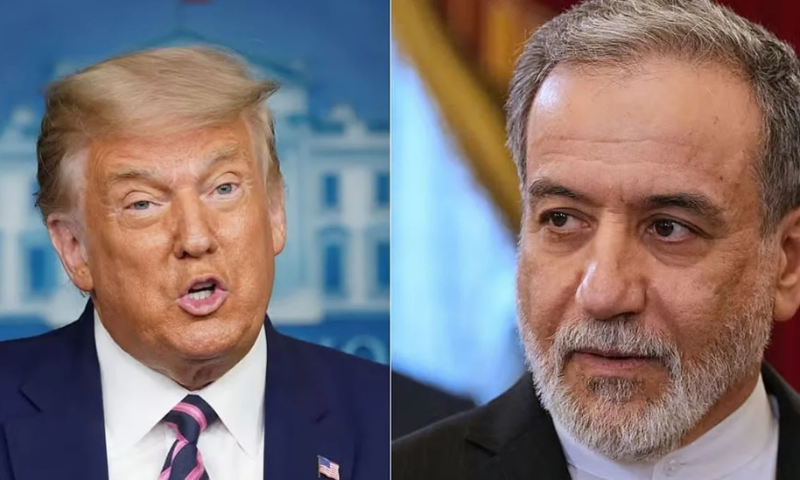
Tehran/Islamabad/Washington, May 6, 2026: Iran on Wednesday confirmed that a United States proposal, conveyed through Pakistani mediation, remains under internal review, stating that a final position will be communicated after completion of domestic consultations.
Foreign Ministry spokesman Esmaeil Baghaei told Iran’s semi-official ISNA news agency that the proposal is still being assessed and that Tehran will convey its conclusions to the Pakistani side once its review process is finalized. He reiterated that discussions are ongoing and that Washington continues to raise what Iran describes as “unreasonable demands.”
Baghaei said media reports suggesting a near-final agreement between Iran and the United States were speculative, adding that the Iranian negotiating team remains focused on ending the conflict. He also clarified that nuclear-related issues are not part of the current stage of talks, contradicting external reports suggesting progress on enrichment-related provisions.
Iran’s Tasnim news agency, citing an informed source, separately reported that Tehran has not formally responded to the latest US proposal, as some of its provisions are considered unacceptable.
The statements come after international media reports, including Axios, suggested that Washington and Tehran were close to agreeing on a preliminary one-page memorandum aimed at ending the ongoing conflict in the Gulf and opening a structured 30-day negotiation process.
According to those reports, the draft framework would declare an end to hostilities and initiate broader talks covering sensitive issues such as the Strait of Hormuz, Iran’s nuclear programme, sanctions relief, and regional security arrangements. The proposed arrangement reportedly includes a temporary moratorium on uranium enrichment, phased sanctions relief, expanded inspections of nuclear facilities, and gradual easing of maritime restrictions.
The Axios report also claimed that the United States expects Iranian responses on key points within 48 hours, while describing internal US discussions involving senior envoys and mediated channels. However, Iranian officials have rejected such claims as premature and “media speculation.”
A Pakistani official involved in the mediation effort said the sides are “getting close” to a one-page memorandum and that progress has been made in narrowing differences. Pakistan has continued its role as a facilitator, relaying proposals between Washington and Tehran following earlier rounds of talks hosted in Pakistan, which remain the only known direct peace engagement so far.
The Pakistani source also confirmed that mediation efforts are ongoing and expressed optimism that an agreement could be reached soon, though no formal deal has been finalized.
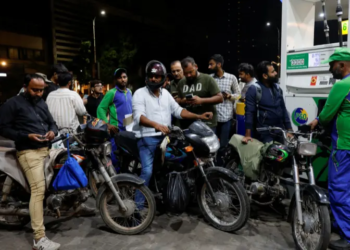
Reports of a possible breakthrough have coincided with sharp reactions in global energy markets, including a reported fall in crude oil prices and shifts in investor sentiment, reflecting expectations that easing tensions could stabilize energy flows through the Gulf.
The diplomatic developments are unfolding alongside broader regional tensions linked to disruptions in maritime traffic through the Strait of Hormuz, where shipping lanes have been affected by military activity and restrictions. The situation has already had significant implications for global energy supplies and economic stability.
Iranian sources cited by regional media, including Al Jazeera, have emphasized that current negotiations are primarily focused on the Strait of Hormuz, while insisting that nuclear issues, missile programmes, and regional security alignments are not part of the current discussion phase. One Iranian position outlined a possible phased approach, beginning with reopening maritime traffic, followed later by nuclear and regional dialogue if progress is achieved.
Meanwhile, US political statements have suggested cautious optimism, with officials indicating that military operations in the region are being reassessed in light of diplomatic progress. However, no final agreement has been confirmed by either side.
Iran has also denied reports of missile or drone attacks in recent days against regional states, rejecting claims circulating in international media.
Diplomatic efforts continue with Pakistan playing a central intermediary role, as both Tehran and Washington maintain indirect communication through mediators. Despite conflicting narratives, all sides acknowledge that negotiations are ongoing and that further developments are expected in the coming days as positions are finalized.