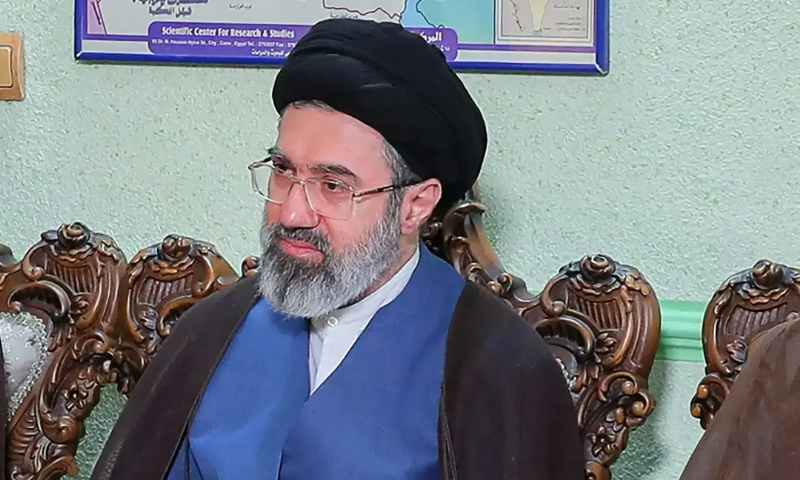
Tehran, May 26,2026: Iran’s Supreme Leader Mojtaba Khamenei declared on Tuesday that nations across the Middle East would “no longer serve as shields for US bases,” amid escalating tensions between Iran and the United States despite ongoing diplomatic negotiations.
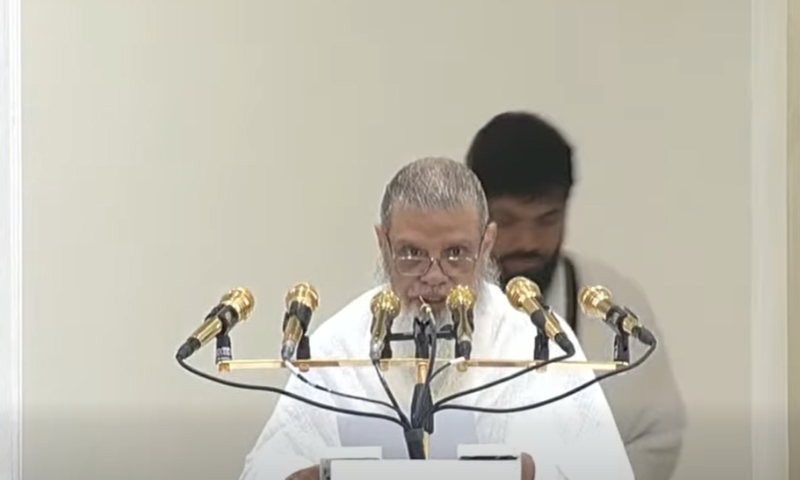
In a Haj message shared on his official X account and carried by Iranian media, Mojtaba Khamenei warned that Washington’s influence in the region was steadily declining.
“The hands of time will not turn back, and the nations and lands of the region will no longer serve as shields for US bases,” the supreme leader said.
He further stated that the United States would “no longer have a safe haven for its mischief and for establishing military bases in the region,” adding that it was becoming “more distant from its former status day by day.”
“The future belongs to the Muslim ummah and the new Islamic civilisation,” he added.
According to Iran’s state-run Press TV, the Iranian leader said Muslim countries shared common interests and capabilities that would shape “the future architecture of the region and the world.”
He also praised the so-called “Axis of Resistance,” describing it as a unified movement stretching “from Iran to Lebanon and Palestine and Iraq and Syria, from Africa and Yemen to Afghanistan and Pakistan.”
The network, he claimed, had confronted American influence, challenged Israeli occupation, and fought militant groups such as the Islamic State.
Mojtaba Khamenei also referred to Israel as a “cancerous tumor” nearing “the final stages of its cursed life,” according to the report.
He further claimed that Iran had delivered “a hard slap” to America and rendered Israel “helpless” during the recent confrontation.
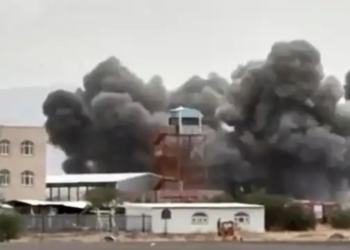
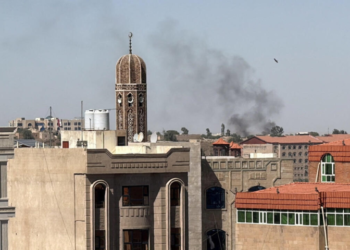
The latest remarks came hours after fresh US strikes reportedly targeted sites inside Iran despite a fragile ceasefire and continuing indirect negotiations aimed at ending the nearly three-month-long conflict between Tehran and Washington.
The confrontation began on February 28 following joint US-Israeli strikes on Iran, which reportedly led to the assassination of former Iranian Supreme Leader Ali Khamenei.
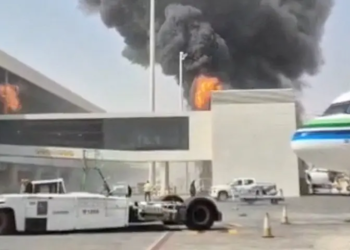
The conflict later spread across the Middle East as Iran targeted US military assets in Gulf states and disrupted maritime activity near the Strait of Hormuz, a strategic corridor through which nearly one-fifth of the world’s oil and gas supply passes during peacetime.
Although large-scale strikes have largely subsided since a Pakistan-brokered ceasefire on April 8, tensions remain high as the United States continues a naval blockade of Iranian ports while negotiations continue over sanctions relief, maritime security, and nuclear-related issues.
Pakistan has continued diplomatic efforts aimed at easing tensions between Washington and Tehran.
The first round of direct US-Iran talks was held in Islamabad on April 11 and 12, marking a rare diplomatic engagement between the two adversaries. While the talks ended without a formal agreement, they avoided a breakdown and paved the way for continued indirect negotiations.
Meanwhile, US President Donald Trump on Monday called on more Muslim-majority countries to normalise relations with Israel under the Abraham Accords framework.
In a lengthy post on Truth Social, Trump urged countries including Saudi Arabia, Qatar, Pakistan, Egypt, Jordan and Turkey to establish formal ties with Israel, saying such a move was necessary for regional peace.
Analysts say the proposal could complicate the already fragile diplomatic process between Iran and the United States, which remains focused on conflict management rather than a broader political settlement.