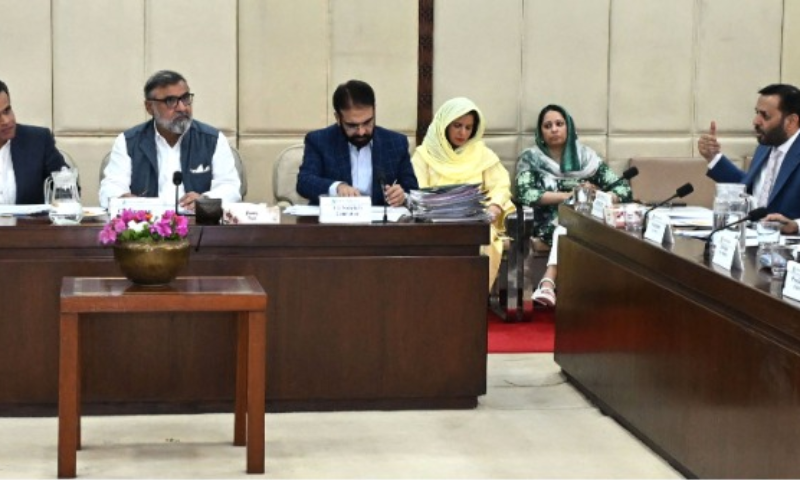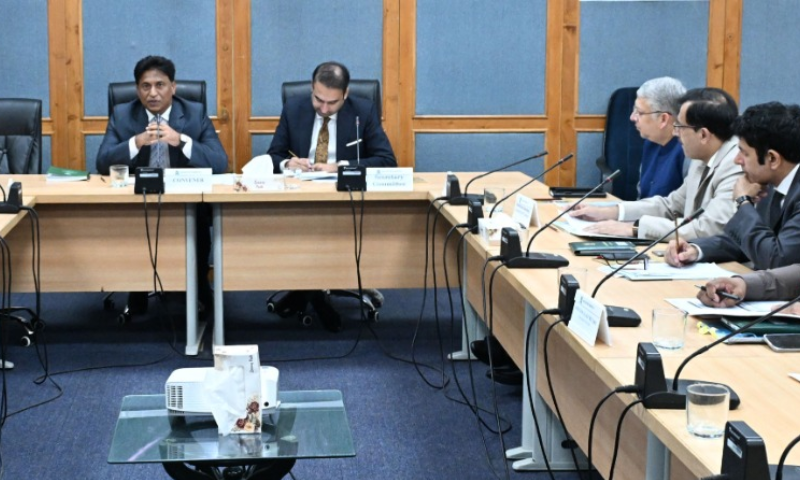
Islamabad, June 2, 2026: A sub-committee of the Senate Functional Committee on Devolution has called for the complete implementation of Articles 38(g) and 172(3) of the Constitution, emphasizing equitable provincial representation in federal services and greater provincial participation in the governance of state-owned entities (SOEs).
The meeting, chaired by Convenor Zamir Hussain Ghumro, reviewed laws, rules, and the ESTA Code related to the implementation of Article 38(g), which concerns fair provincial representation in federal services. The committee also examined mechanisms to ensure compliance with Article 172(3), which provides for joint and equal control of natural resources by the federation and provinces.
The meeting was attended by Poojo Bheel, while Jan Muhammad participated as a special invitee.
The committee expressed displeasure over the absence of senior officials from the Establishment Division, including the federal minister and secretary, stressing that ministers and top government officials are accountable to Parliament and should attend committee proceedings.
Senator Zamir Hussain Ghumro questioned the federal government’s commitment to implementing the Eighteenth Amendment to the Constitution of Pakistan, arguing that delays and shortcomings undermine the spirit of federalism and constitutional governance.
He observed that inadequate implementation of constitutional provisions contributes to disparities among federating units and may fuel grievances. Referring specifically to Article 38(g), he stated that the federal government is constitutionally bound not only to ensure equitable provincial representation in federal services but also to address historical deficiencies in this regard.
Officials briefed the committee on measures taken through Special CSS Examinations to fill carry-forward vacancies, particularly from Balochistan and Sindh. Members, however, sought clarification on the criteria used to determine provincial quotas in federal services and questioned the rationale behind the division of Sindh’s share into urban and rural categories.
The convenor directed the Establishment Division to submit within two weeks comprehensive data on provincial representation across all federal ministries, divisions, and departments, along with details of the criteria used for determining provincial quotas. He also instructed the division to review past omissions and propose corrective measures in line with constitutional requirements.
The committee also received a briefing from the Petroleum Division on the composition of boards of directors of oil and gas companies and other public-sector entities.
Officials informed members that board appointments are made under the State-Owned Enterprises Act and include provincial representation. However, committee members raised concerns regarding the nomination process and stressed the need for meaningful consultation with provincial governments before appointments are finalized.
Reaffirming the supremacy of the Constitution, the committee directed the Petroleum Division to institutionalize consultation mechanisms with provincial governments in the constitution of all boards of directors. It also instructed the division to undertake ex-post facto consultations regarding existing boards and provide details of board members, particularly those representing Balochistan.
The committee concluded by reaffirming its commitment to strengthening federal-provincial harmony and ensuring full compliance with constitutional provisions relating to equitable representation and shared governance.