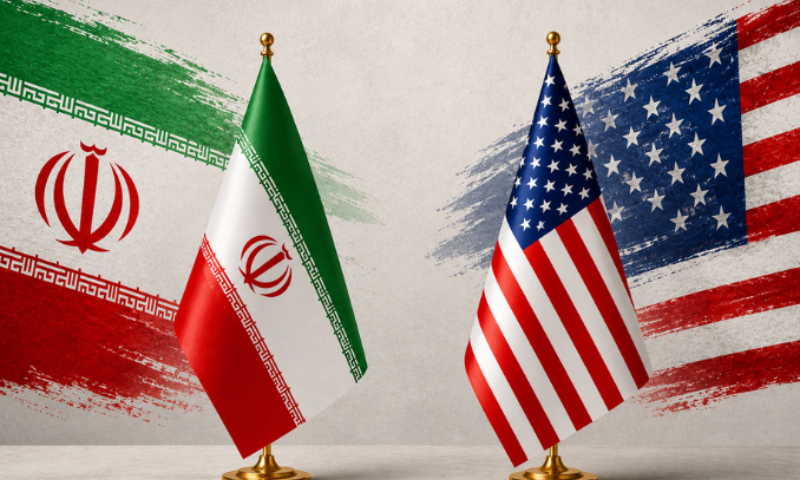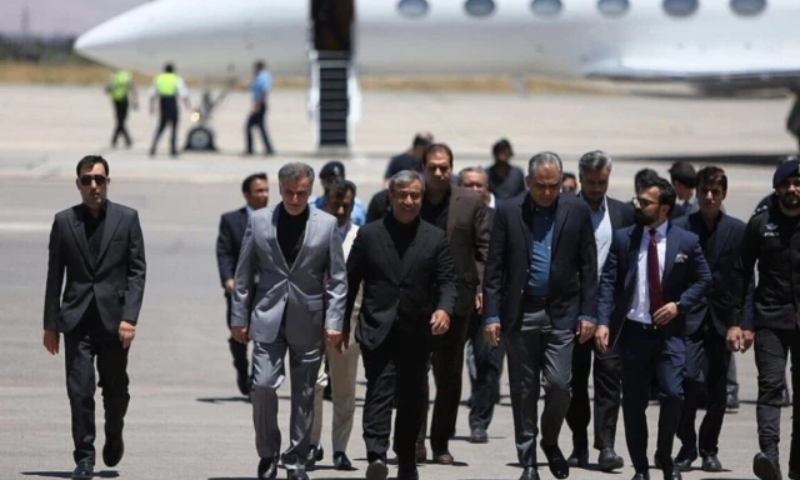
Mashhad/Tehran, June 20, 2026: Pakistan’s Interior Minister Mohsin Naqvi arrived in Iran on Saturday for high-level meetings aimed at sustaining diplomatic momentum following the recently signed Islamabad Memorandum of Understanding (MoU) between the United States and Iran.
Iranian state media reported that Naqvi landed in the northeastern city of Mashhad, where he was scheduled to visit the holy Imam Reza Shrine before travelling to Tehran for talks with senior Iranian leaders.
According to Iranian Foreign Ministry spokesman Esmaeil Baghaei, the visit forms part of Pakistan’s ongoing efforts to help bridge remaining differences between Tehran and Washington and preserve the progress achieved through the landmark understanding announced earlier this week.
During his visit, Naqvi is expected to hold separate meetings with Iranian Interior Minister Eskandar Momeni and Foreign Minister Abbas Araghchi. Discussions are likely to focus on the next phase of diplomatic engagement as both Iran and the United States prepare for technical negotiations on key issues, including Iran’s nuclear programme, sanctions relief and mechanisms for verifying future commitments.
Iranian officials have repeatedly acknowledged Pakistan’s behind-the-scenes role in facilitating dialogue between Tehran and Washington over recent months, helping ease tensions that ultimately led to the war-ending memorandum of understanding.
Strait of Hormuz closure threat raises concerns
The visit comes at a critical juncture after Iran’s Khatam al-Anbiya Central Headquarters announced that the Strait of Hormuz would be closed to vessel traffic, citing what it described as violations of ceasefire commitments by the United States and Israel.
Iran’s Mehr News Agency reported that military authorities termed the move a “first step” and warned of additional measures if alleged aggression continued.
The Strait of Hormuz remains one of the world’s most strategic energy chokepoints, carrying nearly one-fifth of global crude oil and liquefied natural gas supplies before disruptions caused by the recent conflict.
US-Iran talks planned in Switzerland
Meanwhile, diplomatic efforts to transform the interim 14-point accord into a broader and lasting settlement are continuing.
US President Donald Trump’s special envoy Steve Witkoff and Iranian Foreign Minister Abbas Araghchi are reportedly heading to Switzerland for talks aimed at advancing the next stage of negotiations. The discussions are expected to address outstanding disputes over Iran’s nuclear programme and regional security issues.
The planned negotiations follow the withdrawal of US Vice President JD Vance from a previously scheduled visit to Switzerland amid escalating tensions involving Israel and Hezbollah.
Swiss authorities have confirmed their readiness to facilitate the talks as preparatory work continues.
Lebanon ceasefire under pressure
The diplomatic process has been complicated by renewed violence in Lebanon just hours after a ceasefire between Israel and Hezbollah took effect on Friday.
Lebanese state media reported that Israeli airstrikes and drone attacks in southern Lebanon killed at least five people overnight and into Saturday. Israeli forces also reportedly carried out artillery shelling in the Nabatieh region.
The ceasefire in Lebanon is considered a key condition for launching the 60-day US-Iran negotiating process outlined under the interim agreement.
Iran has warned that Washington will bear responsibility for any failure to uphold commitments under the deal, including efforts to halt hostilities in Lebanon.
Russia warns agreement remains fragile
Russian Security Council Deputy Chairman Dmitry Medvedev cautioned that the agreement remains vulnerable to collapse, arguing that Israel is dissatisfied with the outcome of the US-Iran understanding and could seek further military action.
In remarks posted on social media, Medvedev said new attacks in Lebanon or other regional provocations could quickly derail diplomatic progress.
He also stressed that the Strait of Hormuz would continue to play a decisive role in global energy security and geopolitical stability.
Regional diplomacy intensifies
The latest developments come as Washington increases diplomatic engagement across the Gulf region. Reports indicate that US Secretary of State Marco Rubio is planning visits to Bahrain, the United Arab Emirates and Kuwait next week, although the State Department has yet to officially confirm the itinerary.
Pakistan’s latest diplomatic initiative underscores Islamabad’s growing role as a regional mediator as negotiations enter a sensitive phase. Diplomatic sources say the coming weeks will be crucial in determining whether the interim understanding can be transformed into a comprehensive and legally binding agreement capable of ending months of conflict and stabilising the wider region.