Islamabad, July 18, 2026: The Lawyers Action Committee (LAC) on Saturday rejected the Judicial Commission of Pakistan’s (JCP) process for appointing judges to the country’s high courts, alleging that the existing mechanism had undermined transparency and merit.
In a resolution adopted at a meeting in Islamabad, the committee criticized the current appointment process, claiming it had been adversely affected by the 26th and 27th Constitutional Amendments.
The committee also nominated senior lawyer and former Supreme Court Bar Association president Ali Ahmed Kurd to lead a nationwide movement on issues relating to the judiciary, the legal profession and the rule of law.
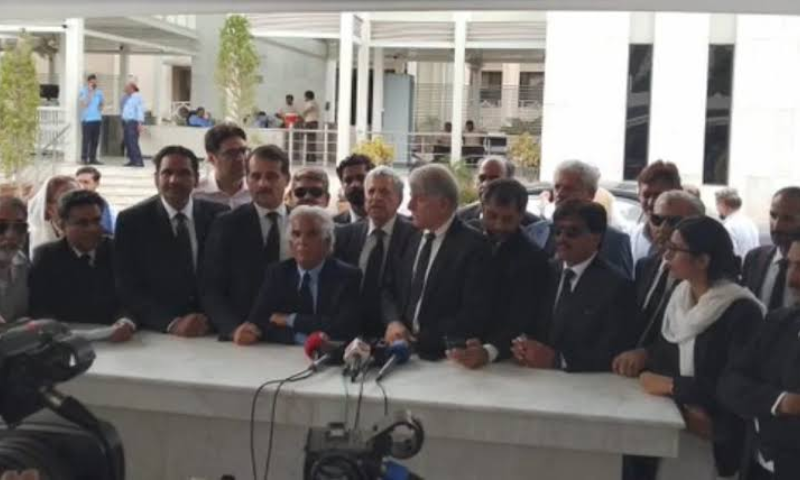
Speaking to reporters outside the Supreme Court, Kurd said he had accepted the responsibility at the request of fellow lawyers, adding that the movement aimed to restore public confidence in the justice system.
He was accompanied by senior lawyers Hamid Khan, Salahuddin Ahmed and Abid Shahid Zuberi.
Kurd announced that the committee’s first public gathering would be held in Khyber Pakhtunkhwa, adding that another programme was also planned in London at the invitation of overseas Pakistanis to highlight the issues being raised by the movement.
The resolution urged members of the Judicial Commission of Pakistan to ensure transparency and merit in judicial appointments and called on them to raise concerns over any process that, in the committee’s view, compromised judicial independence.
The committee alleged that appointments to the high courts were no longer being made solely on the basis of competence and integrity, expressing concern that the current selection process could undermine public confidence in the judiciary.
It also criticized the interview process for judicial appointments, alleging a lack of transparency and objecting to the exclusion of some Judicial Commission members from the interview panel.
The committee further expressed concern over the deteriorating security situation in Balochistan and the continued loss of lives in terrorist attacks. It called for the establishment of an independent fact-finding commission to examine the underlying issues in affected regions and hold public consultations on possible solutions.
The resolution also raised concerns over the continued detention of several lawyers, political leaders and activists, including Imaan Mazari, Hadi Ali Chattha, former prime minister Imran Khan, Dr Yasmin Rashid, Mahrang Baloch and Ali Wazir, while criticizing what it described as the silence of state institutions over these issues.
In addition, the committee accused the Pakistan Bar Council and provincial bar councils of attempting to influence bar association elections. It demanded that elections be held on schedule in accordance with the law, supported by Nadra verification, and called for the removal of individuals holding fake law degrees or dual bar memberships from the electoral rolls.
The committee also expressed support for the ongoing sit-in at Babarlo in Sindh over the disappearance of Priya Kumari and others, urging the Sindh government to safeguard minority rights and address the concerns raised by the protesters.