Tehran/ Tehran, July 21, 2026: Iran launched fresh attacks on US military installations in the Gulf on Tuesday, targeting radar and air defence systems in Kuwait and Bahrain, while warning Washington that “more decisive and powerful” strikes would follow as the conflict between the two countries continued to intensify.
Iran’s Revolutionary Guards said the attacks were part of a broader military response following a new wave of US airstrikes on Iranian military infrastructure late Monday.
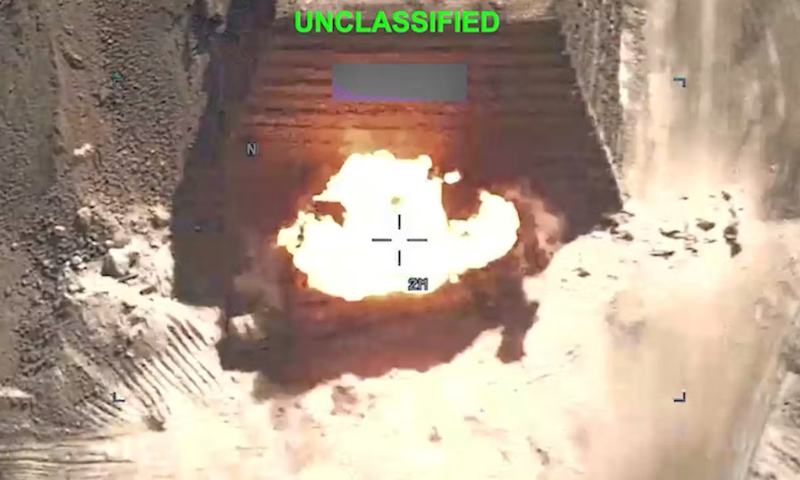
The United States said its latest operation targeted Iranian military command centres, maritime capabilities, missile and drone launch sites, and air defence systems aimed at reducing Tehran’s ability to threaten commercial shipping through the Strait of Hormuz.
US military officials said commercial shipping continued to transit the strategic waterway, adding that American forces remained prepared to respond to any attacks against civilian vessels.
Hours later, Iran announced drone and missile strikes against US military assets in Kuwait and Bahrain, including radar installations, air defence systems and administrative facilities. The Revolutionary Guards also claimed they had targeted infrastructure belonging to US technology company Amazon in Bahrain.
US President Donald Trump warned that Iran would pay “many times over” for every American service member killed, while Iranian President Masoud Pezeshkian described the confrontation as having become “a full-scale war.”
The Pentagon said nearly 100 US service members had been wounded since July 7, most of them suffering minor concussions.
Meanwhile, Iran’s Revolutionary Guards claimed they had intercepted and stopped two oil tankers in the Strait of Hormuz for allegedly violating Iranian navigation rules. Separately, the UK Maritime Trade Operations (UKMTO) reported that two tankers off the coast of Oman had been struck by unidentified projectiles in separate incidents.
Despite the ongoing hostilities, Iranian Foreign Ministry spokesman Esmaeil Baqaei said indirect diplomatic contacts with Washington through mediators were continuing.
Iranian Interior Minister Eskandar Momeni also arrived in Islamabad on a two-day visit, during which he is scheduled to meet Prime Minister Shehbaz Sharif and Chief of Army Staff Field Marshal Asim Munir.
The regional crisis widened further after Yemen’s Houthi movement announced an immediate maritime embargo on Saudi Arabia, describing the move as retaliation against Riyadh. The Houthis warned they would seek to disrupt shipping through the Red Sea, potentially affecting Saudi oil exports and international trade.
Saudi Arabia condemned the Houthi announcement and reaffirmed its support for Yemen’s internationally recognized government, while concerns mounted over the security of two of the world’s most important maritime trade routes—the Strait of Hormuz and the Bab al-Mandab Strait.
The latest developments have heightened fears of a broader regional conflict, with continued military escalation threatening global energy supplies and maritime commerce.