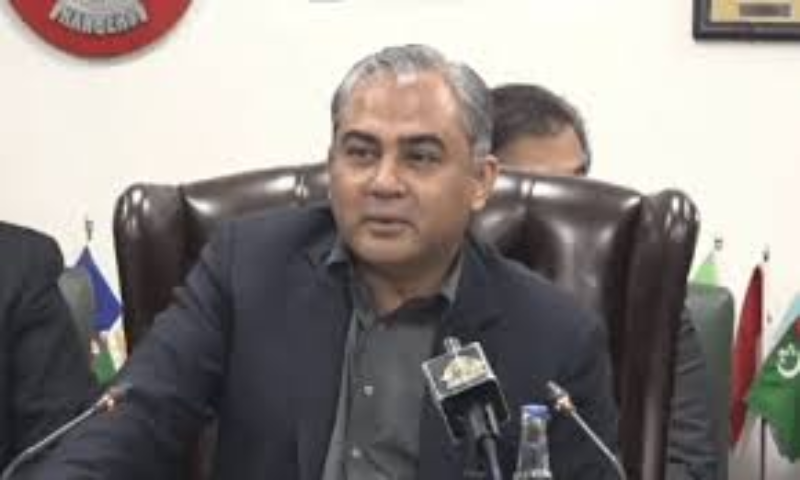
Islamabad, July 3, 2025: Interior Minister Mohsin Naqvi on Thursday credited Prime Minister Shehbaz Sharif with playing a pivotal role in facilitating the ceasefire between Iran and Israel, following nearly two weeks of hostilities between the two nations.
Naqvi’s remarks come in the wake of a 12-day escalation that began on June 13, when Israel launched airstrikes in Iran, reportedly targeting high-ranking military commanders and nuclear scientists. In response, Tehran retaliated with ballistic missile attacks on Israeli cities, marking one of the most intense confrontations between the two regional rivals in recent years.
The Israeli strikes occurred just days before scheduled Iran–US nuclear talks, leading Tehran to launch what it described as “wide-ranging retaliatory strikes” that inflicted “significant damage” on key targets within the occupied territories.
Throughout the conflict, Pakistan maintained a firm stance in support of Iran, voicing concern over Israeli aggression at international forums including the United Nations Security Council (UNSC) and the Organisation of Islamic Cooperation (OIC).
Prime Minister Shehbaz Sharif also held a telephone conversation with newly-elected Iranian President Masoud Pezeshkian, who thanked the premier for Pakistan’s “principled and unwavering” support for Tehran during the crisis.
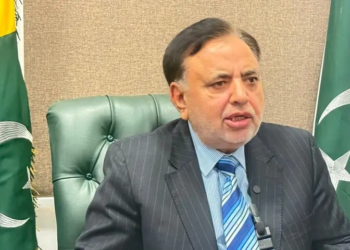
Speaking at a press conference alongside religious scholars on Muharram security preparations, Minister Naqvi also commented on the recent Pakistan-India conflict, stating that the country sustained minimal damage.
“India fired around 11 missiles at a military base in Pakistan, but none hit their target. No aircraft were damaged,” Naqvi said, referring to the 87-hour-long skirmish between the two nuclear-armed neighbours.
The hostilities were triggered by India’s unprovoked airstrikes on multiple Pakistani cities following the Pahalgam incident, in which 26 tourists were killed in Indian Illegally Occupied Jammu and Kashmir (IIOJK). In response, Pakistan launched Operation Bunyan-um-Marsoos, targeting several Indian military installations across various regions.
According to official figures, a total of 53 Pakistanis were martyred in the conflict, including 13 military personnel and 40 civilians. Naqvi emphasized that Pakistan’s military strategy avoided targeting Indian civilian areas, underlining Islamabad’s commitment to restraint.
Turning to domestic matters, Naqvi highlighted the importance of cooperation between religious scholars and law enforcement agencies in maintaining peace during the holy month of Muharram.
Minister of State for Interior Talal Chaudhary, also present at the briefing, stressed the need for national unity and inter-sectarian harmony to thwart any attempts by terrorist elements to disrupt peace during the sacred month.