Islamabad, July 8, 2025: A local court in Islamabad has ordered the blocking of 27 YouTube channels, including several operated by prominent journalists, for allegedly disseminating anti-state content.
The directive was issued on Tuesday by Judicial Magistrate Abbas Shah following a petition filed by the National Cybercrime Investigation Agency. The petition was supported by evidence submitted by the Federal Investigation Agency’s (FIA) Cyber Crime Wing.
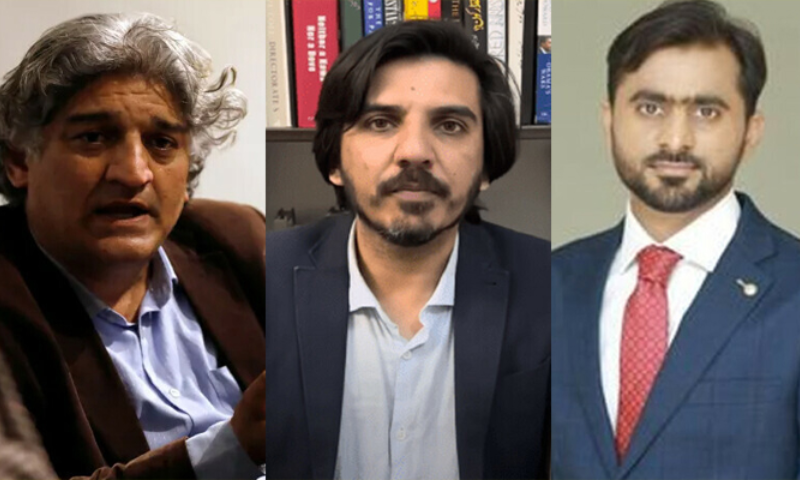
According to the court’s two-page written order, authorities have been instructed to take immediate action against the named channels. The order specifically mentions journalists Matiullah Jan, Asad Toor, Siddique Jan, Orya Maqbool Jan, and Habib Akram, along with several channels affiliated with the Pakistan Tehreek-e-Insaf (PTI).
The petition alleged that the channels were involved in spreading disinformation, fake news, and content deemed inflammatory or derogatory towards state institutions and senior officials. It argued that such material could incite fear, hatred, and mistrust among the public, potentially undermining national security and public order.
“The content uploaded on these platforms is highly inflammatory, derogatory, and promotes hatred against the army, judiciary, and other state institutions,” the petition stated, adding that it poses a serious threat to social cohesion and state stability.
The court noted that the FIA had launched an inquiry into the matter on June 2. After reviewing the findings and material provided by the agency, the court concluded that the content in question may constitute offenses under the Pakistan Penal Code (PPC) and the Prevention of Electronic Crimes Act (PECA).
“The inquiry officer has submitted sufficient material showing that these channels are publishing content that is offensive and in violation of the law,” the order read. “The court finds the evidence adequate for further action.”
The court also directed the relevant YouTube operations official in Pakistan to immediately block access to the identified channels. It further stressed the need for stricter regulation of online platforms to prevent the dissemination of harmful narratives and safeguard national interests.