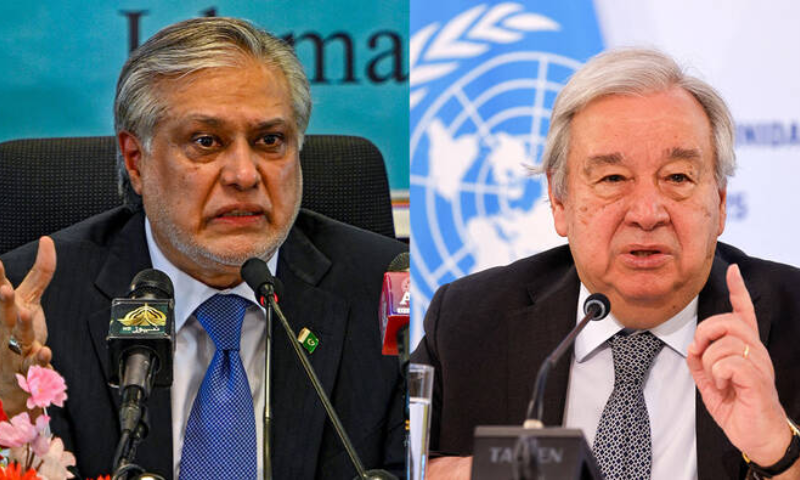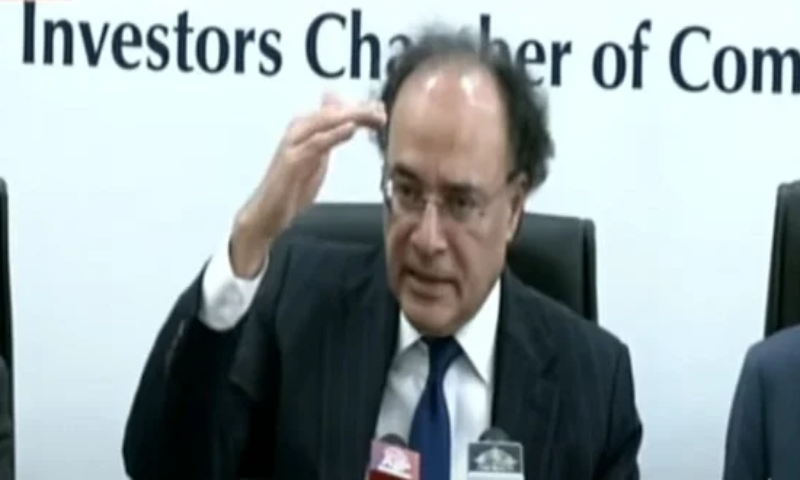
Washington, July 14, 2025: Federal Finance Minister Muhammad Aurangzeb on Monday rejected criticism over the Federal Board of Revenue’s (FBR) enhanced powers, calling the backlash “propaganda” and clarifying that the newly granted authority is legally sanctioned and narrowly targeted to address high-value sales tax fraud.
Speaking to journalists at the Overseas Investors Chamber of Commerce and Industry (OICCI), Aurangzeb emphasized that the legal amendments were approved through the National Assembly in consultation with its Standing Committee, refuting claims that the government had bypassed oversight.
“These powers apply only to cases involving tax evasion of over Rs 50 million,” he said. “Ordinary businesses are not the target—this is strictly about curbing systemic sales tax fraud.”
He announced that a key meeting with presidents of chambers of commerce would be held tomorrow to brief business leaders on the scope and rationale of the FBR’s new legal tools.
Aurangzeb underscored the importance of deeper cooperation between domestic and international investors, saying that such collaboration was critical to Pakistan’s economic revival. He revealed that the government had recently paid $2.3 billion in profit repatriations to multinational companies, aiming to reinforce investor confidence amid fiscal reforms. Refund issues affecting foreign firms, he added, would also be resolved shortly.
In a move to further strengthen investor engagement, the OICCI’s senior leadership has been invited to Islamabad for direct consultations with Prime Minister Shehbaz Sharif.
The finance minister shared that remittance volumes remain strong and macroeconomic indicators are expected to improve further in the coming weeks. He said Rs 75 billion in sales tax refunds had been disbursed this month alone.
Aurangzeb also encouraged greater private sector involvement in loss-making state-owned enterprises (SOEs), noting that the Privatisation Commission has been tasked with managing 24 such entities, including Pakistan International Airlines (PIA). “Banks have a critical role to play, particularly in strategic partnerships to revive distressed sectors like aviation,” he stated.
Addressing broader fiscal policy, the finance minister said the Economic Coordination Committee (ECC) is actively monitoring food prices, with no recent anomalies observed in key commodities such as maize, rice, and pulses.
He further noted that Pakistan’s banking industry continues to play a stabilizing role in the national economy, especially amid changing lending trends. A recent OICCI survey, he said, reflects growing investor confidence and signs of renewed economic stability.
Aurangzeb confirmed that he had earlier met with the State Bank Governor and commercial bank presidents to discuss the financial sector’s evolving responsibilities. With improved liquidity in the banking system, he urged increased lending to the private sector, especially small and medium enterprises (SMEs) and the agricultural sector.
“We are moving toward sustainable economic development,” he said. “It’s now essential for the financial sector to channel its resources into sectors that can drive inclusive and long-term growth.”