Bajaur, July 31, 2025: A mortar shell struck a residential house in the Guati area of Mamund Tehsil on Thursday, injuring several people, despite a recent agreement between local authorities and tribal elders to avoid targeting civilian areas during security operations.
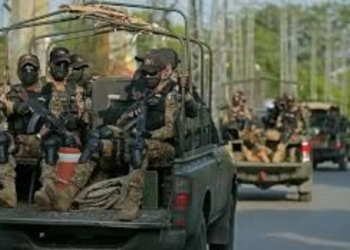
The incident comes amid ongoing clashes between security forces and suspected militants in the border region of Mamund, located near Afghanistan. Thursday marks the third consecutive day of movement restrictions imposed on residents of 16 villages in the tehsil as part of a “targeted operation” launched by the district administration.
While Wednesday remained relatively calm, local sources confirmed that clashes resumed early Thursday morning. Gunfire and mortar shelling could be heard across the region, according to residents.
On Tuesday, the first day of the operation, intense fighting was reported throughout Mamund. Local journalist Bilal Yasir told media that several families had fled the area, fearing for their safety. He confirmed that three civilians were killed in the initial violence, prompting widespread anger and protests.
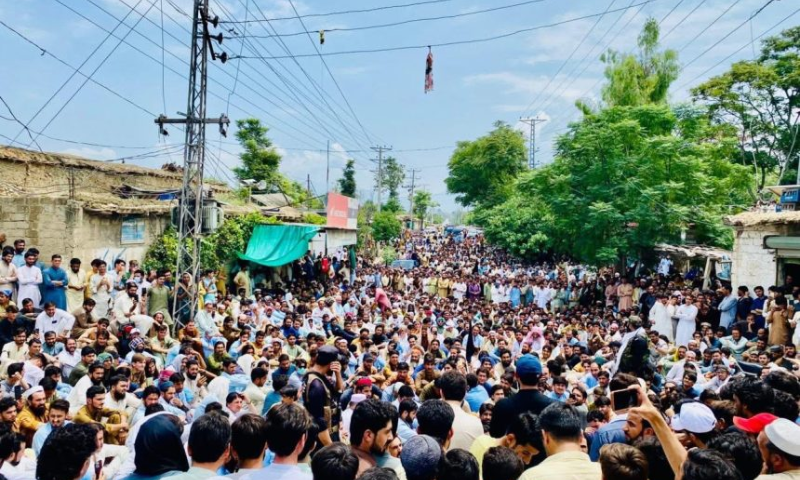
A large demonstration erupted at Umari Chowk, the main road leading to Mamund, led by Pakistan Tehreek-e-Insaf (PTI) leader and former MNA Gul Zafar Khan. Protesters, some holding copies of the Holy Quran, condemned the ongoing military operation and called for immediate cessation of hostilities in populated areas.
In response to the public outcry, an agreement was reportedly reached on Wednesday between local tribal and political leaders and the authorities. The deal included a commitment to refrain from firing mortar shells into residential zones. However, Thursday’s incident appears to have breached this understanding, raising further concerns among residents.
The renewed violence highlights the fragile security situation in Mamund Tehsil, where the presence of militant elements continues to trigger military responses. But with civilians caught in the crossfire, local leaders and communities are urging the state to prioritize restraint and protection of non-combatants.
The situation remains tense, and humanitarian concerns are mounting as residents face continued restrictions, displacement, and danger.