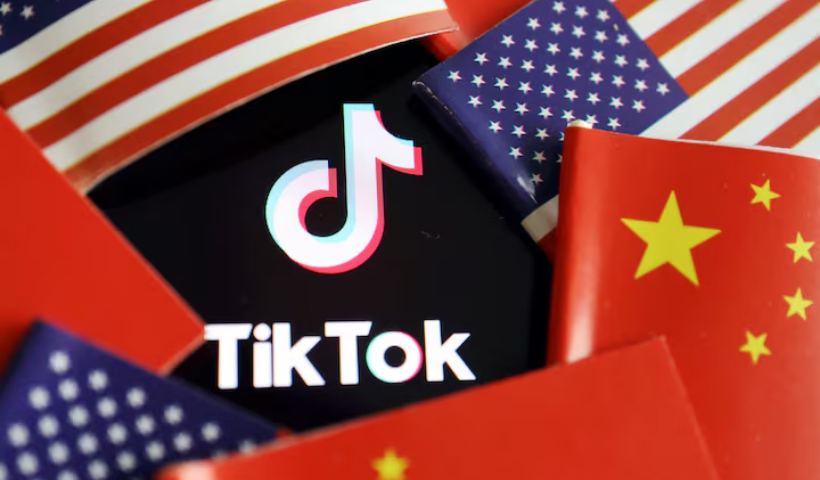
Beijing, September 20, 2025: China reiterated its position on the future of TikTok in the United States on Saturday, a day after U.S. President Donald Trump said a deal to shift the app into American-controlled ownership was making progress.
“China’s position on TikTok is clear: the government respects the wishes of the enterprise and welcomes it to conduct commercial negotiations in line with market rules, laws, and regulations while balancing interests,” the Commerce Ministry said in a statement, repeating a stance it has maintained over the past week.
The remarks follow a call between Trump and Chinese President Xi Jinping on Friday, during which the two leaders discussed the potential deal. Key issues remain unresolved, including TikTok’s future ownership structure, the extent of China’s control over its operations, and what Beijing might gain by approving U.S. involvement in one of its most successful global apps.
TikTok, which has more than 170 million users in the U.S., is seen as a bargaining chip in wider trade negotiations between the world’s two largest economies. Progress on the app’s future is viewed as essential to unlocking concessions in sectors ranging from aviation to agriculture.
The Commerce Ministry expressed hope that Washington would “work towards the same goal as China, fulfill its commitments, and provide an open, fair, and non-discriminatory environment” for Chinese firms, including TikTok, to operate in the U.S.
Earlier this week, a framework deal struck in Madrid was described by Chinese officials and state media as a “win-win,” with Beijing pledging to review TikTok’s technology exports and intellectual property licensing. That agreement removed a major hurdle, as Congress had originally ordered TikTok to be banned for U.S. users by January 2025 unless its American assets were sold by Chinese parent company ByteDance.
Commerce Ministry spokesperson He Yadong reiterated on Thursday that Beijing expected Washington to lower trade barriers for Chinese firms, signaling that TikTok’s fate is tied to broader economic talks.