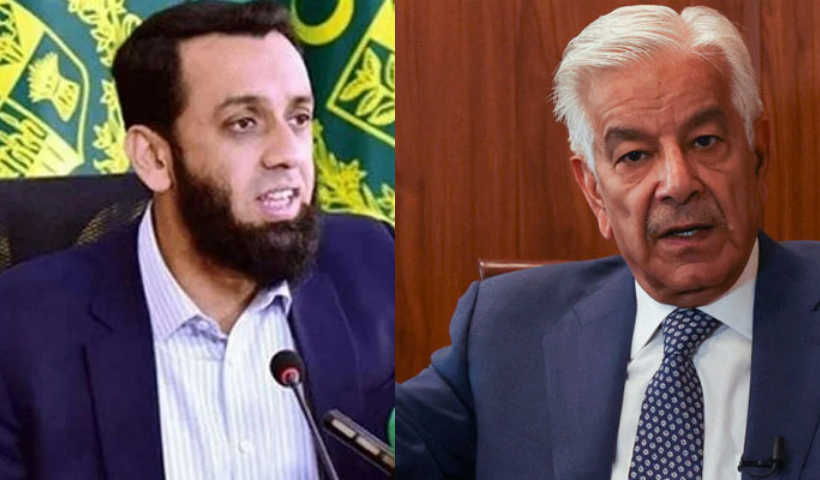
Islamabad, Oct 29, 2025: Pakistan’s defence minister on Wednesday issued a stark warning to the Afghan Taliban-led interim administration, saying Islamabad would carry out strikes “deep into Afghanistan” if Afghan territory is used to launch attacks on Pakistan.
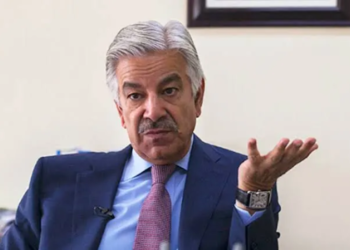
“We will conduct strikes, we definitely will,” Defence Minister Khawaja Asif told reporters outside Parliament when asked about Islamabad’s options in the event of cross-border attacks. “If their territory is used and they violate our territory, then, if we need to go deep into Afghanistan to retaliate, we surely will.”
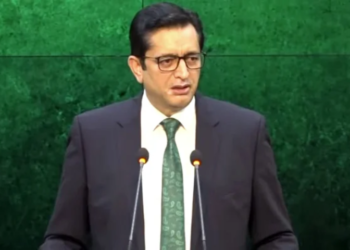
The warning followed the collapse of the latest round of bilateral talks in Istanbul. In a pre-dawn post on X, Information Minister Attaullah Tarar said discussions mediated by Türkiye and Qatar “failed to bring about any workable solution” to Pakistan’s concerns over cross-border terrorism emanating from Afghan soil.
Asif accused the interim Afghan administration of being fragmented and motivated by financial gain. “Afghanistan neither fulfils the definition of a state, nor does the interim administration consider it so,” he said, adding that some Afghan officials were making “venomous statements” that revealed a “devious and splintered mindset.”
The defence minister framed his remarks as a final warning after what he described as repeated Pakistani efforts to pursue diplomacy. “We have borne your treachery and mockery for too long, but no more,” Asif wrote on X earlier. “Any terrorist attack or any suicide bombing inside Pakistan shall give you the bitter taste of such misadventures. Test our resolve and capabilities, if you wish so, at your own peril and doom.”
Asif also invoked historical references, rejecting Afghanistan’s reputation as the “graveyard of empires” and suggesting that the country had become “a graveyard… for its own people,” while accusing “war mongers” within the Taliban of sustaining a “war economy” by perpetuating instability.
UN voice of concern
The United Nations expressed concern over the breakdown in talks and urged restraint. “We very much hope that even if the talks are on pause, the fighting will not renew,” UN spokesperson Stéphane Dujarric said at a briefing in New York, according to APP.
Border flare-ups and failed diplomacy
Tensions between Islamabad and Kabul have escalated in recent weeks, punctuated by border skirmishes, reciprocal accusations and targeted strikes. Hostilities flared after an attack on Pakistan on the night of Oct. 11, which followed Taliban allegations that Pakistan had conducted airstrikes in Afghanistan — an accusation Islamabad has neither confirmed nor denied.
Islamabad has repeatedly demanded that the Taliban prevent militant groups from using Afghan soil to strike Pakistan. The Afghan interim authorities have denied allowing such groups to operate from their territory.
After initial clashes, both sides engaged in talks in Doha that yielded a temporary ceasefire and a commitment to reconvene in Istanbul. The second round of negotiations began on Oct. 25 under the mediation of Türkiye and Qatar, but Islamabad says Afghan negotiators backtracked after consulting Kabul, prompting the current impasse.
Pakistan says it has also carried out targeted strikes against militant camps, including positions linked to the Gul Bahadur group in Afghanistan, and that it continues to face attacks and casualties from cross-border terrorism and in intelligence-based operations inside Pakistan.
With diplomatic channels at least temporarily stalled and public warnings now issued by Pakistan’s defence minister, the risk of further military escalation remains elevated. Islamabad insists it will take “all possible measures” to protect its citizens; Kabul denies harbouring anti-Pakistan militants. The international community, including the UN, has called for restraint and renewed dialogue to prevent a resumption of hostilities.