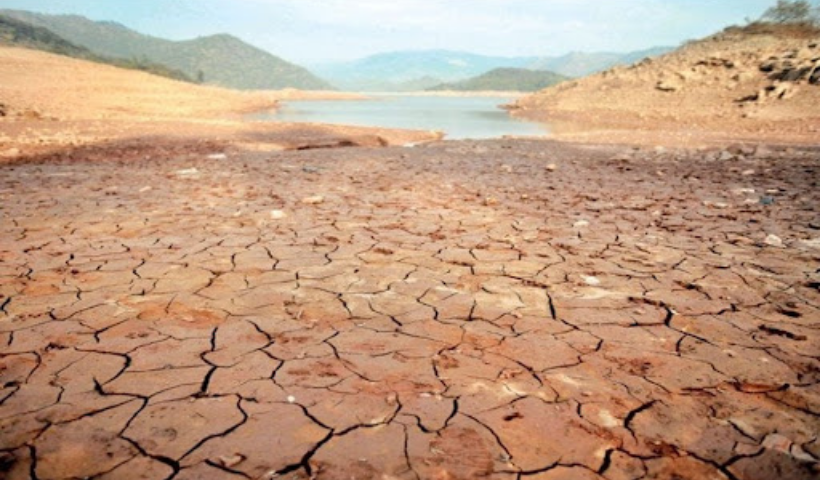
Islamabad, November 19, 2025: The Asian Development Bank (ADB) has warned that Balochistan is facing an acute water shortage, with only 7 percent of the province’s land currently under cultivation. In its latest report, the Bank stressed the need for urgent, comprehensive measures to manage water resources and support the province’s fragile agricultural sector.
To address the crisis, the ADB has recommended establishing a digital water and climate monitoring system designed to deliver real-time and accurate data to both farmers and government authorities. The system includes automatic weather stations equipped to track rainfall, temperature, and wind speed with high precision.
According to the report, access to timely climate information allows farmers to plan irrigation schedules more efficiently, reducing water wastage and improving crop productivity. At the administrative level, the monitoring system will enable authorities to make more informed decisions regarding water distribution and resource management.
The ADB highlighted that the digital platform also strengthens early warning capabilities for floods and droughts, ensuring communities and government departments receive timely alerts to prevent large-scale damage and losses. Reliable data, the report notes, is essential to achieving fair and efficient water governance in the province.
Local communities have already been trained to operate and maintain the monitoring systems, promoting effective use and long-term sustainability. Meanwhile, the construction of new dams and canal networks has improved water availability for irrigation in several regions.
The report further points to the growing adoption of solar-powered drip irrigation systems, which are helping farmers conserve water while sustaining agricultural output. These modern irrigation techniques, combined with digital tools and infrastructure upgrades, are contributing to enhanced climate resilience across Balochistan.