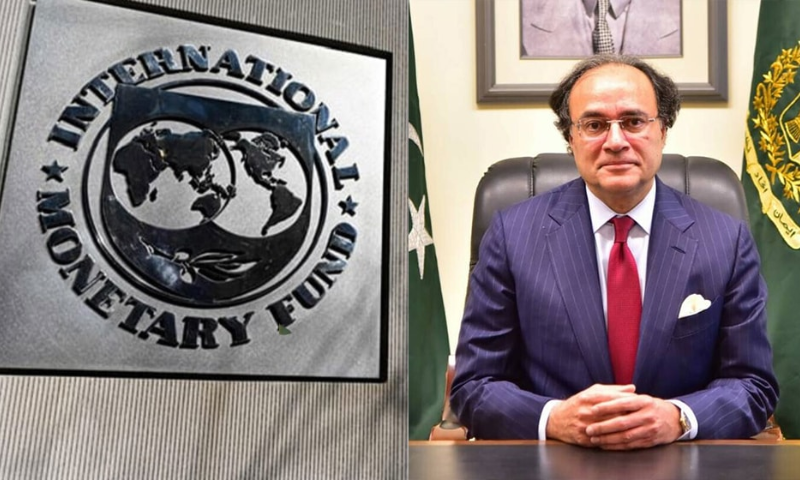
Islamabad, November 27, 2025: Finance Minister Mohammad Aurangzeb on Thursday said the government would address all shortcomings highlighted in the International Monetary Fund’s (IMF) recent governance and corruption assessment, expressing optimism about concluding the next phase of the Fund programme.
“These are points identified by the IMF that require action, and we will work to resolve them,” Aurangzeb told a private news channel. “God willing, an agreement with the IMF will be reached. The IMF board’s upcoming decisions will show the way forward.”
His remarks follow the release of the Fund’s Governance and Corruption Diagnostic Assessment (GCDA), which warned that persistent corruption and weak institutions continue to hamper Pakistan’s economic development, even as the country stabilises under the ongoing Extended Fund Facility (EFF).
According to the IMF report, corruption remains a “persistent challenge” in Pakistan, undermining public spending, revenue collection and public trust in the justice system. It noted that the publication of the diagnostic assessment was a precondition for the IMF Executive Board’s approval of the next $1.2 billion disbursement under the $7 billion programme scheduled for next month.
The Fund acknowledged that reforms under the EFF have delivered “significant progress” in stabilising the economy and restoring confidence. However, it also highlighted systemic governance weaknesses, stating that many Pakistanis are still compelled to make recurring payments to officials to access basic services — funds that could otherwise fuel economic growth and development.
The assessment found that corruption vulnerabilities exist across all tiers of government, but the most harmful practices involve “privileged entities” influencing key economic sectors, including those owned by or affiliated with the state. It said political and economic elites have long obstructed development by capturing policy benefits for personal gain.
The IMF report also pointed to the judicial sector as a key bottleneck, citing organisational complexity, massive case backlogs, outdated laws and concerns about the integrity and independence of judges. These factors, it said, weaken contract enforcement and property rights, ultimately discouraging economic activity.
Pakistan’s judicial structure is described as “structurally complex”, with delays and inefficiencies that deter reliance on the legal system to uphold economic rights.
To address these challenges, the IMF has proposed a sweeping set of reforms — from immediate steps to long-term structural changes — aimed at strengthening governance, reducing corruption risks and enabling sustainable, private sector–driven growth.
Key recommendations include:
- Ending special privileges for major public institutions in government contracting.
- Shifting all government procurement to a fully e-governance system within 12 months.
- Establishing strict parliamentary oversight of the government’s financial powers.
- Increasing transparency and accountability in policymaking through broader public access to fiscal information.
The Fund has urged Pakistan to begin implementing a 15-point reform agenda immediately, saying improvements in governance, integrity and accountability would deliver substantial economic gains