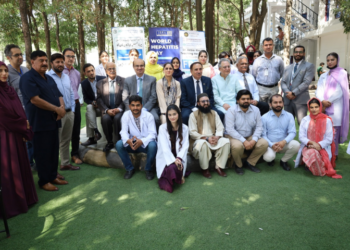
Islamabad, January 4, 2026: Public health experts, environmental scientists, and veterinary specialists have finalized a comprehensive policy working paper recommending urgent institutional reforms to counter the growing threat of Antimicrobial Resistance (AMR) in Pakistan.
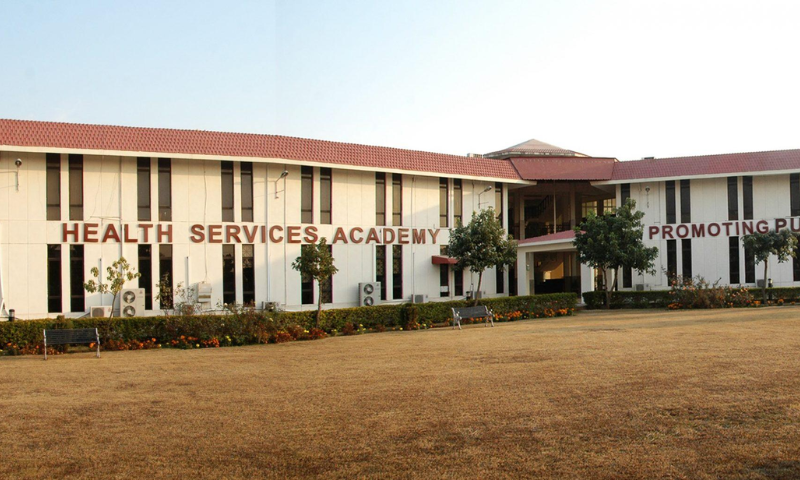
The consensus emerged from a series of intensive technical sessions held during a policy dialogue organized by the Health Services Academy (HSA). Experts unanimously agreed that adopting the “One Health” approach—integrating human, animal, and environmental health—is inevitable to prevent future pandemics and curb the spread of drug-resistant infections.
The working paper calls for the formal institutionalization of the One Health framework, the establishment of an Integrated Surveillance System to detect and monitor diseases transmissible between humans and animals, and the enforcement of a strict regulatory regime to curb the misuse and overuse of antibiotics across sectors.
Addressing the inaugural session, Federal Minister for Health Syed Mustafa Kamal described the One Health approach as a major milestone for Pakistan’s national health security. He emphasized that human health is inseparably linked with animal health and the environment, and assured participants that the government would adopt the One Health framework. He added that, in line with expert recommendations, strict regulatory measures would be introduced to prevent the unnecessary use of antibiotics and enhance the country’s preparedness for disease outbreaks.
Speaking on implementation, Vice Chancellor of the Health Services Academy Prof. Dr. Shahzad Ali Khan said the academy had already begun translating the policy recommendations into action. He revealed that a dedicated One Health Secretariat has been established in response to the experts’ call for a specialized coordination mechanism, while work is underway to constitute a formal One Health Workforce. He added that training of the first batch of frontline workers has already commenced to ensure the availability of skilled human resources for effective cross-sectoral collaboration.
Providing the technical rationale behind the recommendations, National Coordinator for One Health Prof. Dr. Tariq Mahmood Ali warned that AMR is no longer a future risk but a present reality, responsible for an estimated 1.27 million deaths globally in 2019. He cautioned that failure to implement strategic measures could result in annual global GDP losses of up to US$3.4 trillion by 2030, with AMR-related deaths potentially exceeding 39 million by 2050.
He particularly stressed the urgent need for legislation in the livestock sector, noting that 70 to 80 percent of antimicrobials worldwide are used in food-producing animals—a key driver of the rapid spread of antimicrobial resistance.
The working paper is expected to serve as a roadmap for strengthening Pakistan’s response to AMR through coordinated, multi-sectoral action under the One Health framework.