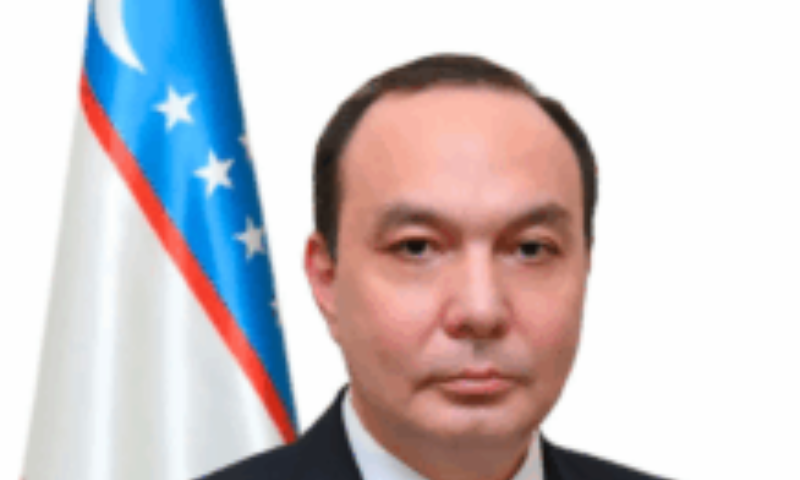
Tashkent, January 5, 2026: The annual address of President Shavkat Mirziyoyev to the Oliy Majlis and the people of Uzbekistan has been described by experts as far more than a routine political speech. According to Eldor Aripov, Director of the Institute for Strategic and Regional Studies under the President, the Address serves as a strategic policy document that outlines the country’s transition to a new stage of development, emphasizing institutional consolidation, sustainable growth, and long-term economic resilience.
Over the past decade, Uzbekistan has witnessed a rapid and qualitative economic transformation, with GDP rising from roughly USD 60–65 billion in the mid-2010s to USD 145 billion today. Average annual growth has consistently hovered around six percent, demonstrating the economy’s capacity to withstand external shocks such as the pandemic, global inflation, and disruptions in supply chains. Industrial output has more than doubled, while manufacturing and processing now contribute over 80 percent of GDP, reflecting a shift from raw-material dependence to value-added production.
The Address highlights structural changes across agriculture, industry, and exports. Fruit, vegetable, and food processing have expanded, supporting resilience against price fluctuations, while exports of textiles, electrical equipment, chemicals, and processed foods have risen several times over in the past decade. Investment in fixed capital has accelerated, increasingly directed toward industry, energy, transport, and digital development, signaling a shift from infrastructure-heavy state-led projects to a diversified, future-oriented investment base.
Macroeconomic stability remains central to the President’s strategy, with public debt and fiscal balances maintained at controlled levels, ensuring that rapid growth does not compromise long-term sustainability. The Address emphasizes boosting labor productivity, technological modernization, and deepening industrialization as critical to future progress.
Equally notable is the government’s responsiveness to citizens’ needs. Surveys and public appeals highlight employment, income, education, healthcare, and fair governance as top priorities. Poverty has fallen from around 35 percent in 2017–2018 to 8.9 percent in 2024, and is projected to reach 5.8 percent in 2025, surpassing official targets. The Address also sets a long-term goal of eradicating extreme poverty by 2030 through social programs, employment creation, and income support.
President Mirziyoyev’s leadership is recognized as a decisive factor in synchronizing economic, social, and institutional reforms. By aligning public expectations with strategic policies, the Address strengthens domestic consensus and boosts international confidence in Uzbekistan’s reform trajectory. As noted by Aripov, the document not only charts the next phase of reforms but also defines a long-term strategic framework for sustainable development and global competitiveness.
The Address thus positions Uzbekistan for continued growth, resilience, and socio-economic advancement while underscoring the central role of citizen-focused policies and strategic governance in shaping the country’s future.