Tehran, January 9, 2026: Iran’s Supreme Leader Ayatollah Ali Khamenei has vowed that authorities will “not back down” in the face of widening nationwide protests, blaming the United States for instigating demonstrations that began over economic hardship and have since expanded into calls for political reform.
In his first public address since the protests erupted 13 days ago, Ayatollah Khamenei signaled a tougher response from the state, describing protesters as “vandals” and “saboteurs” and accusing them of acting on behalf of foreign agendas. He alleged that demonstrators were damaging public property to please foreign leaders, an apparent reference to former US president Donald Trump, who has warned of possible American intervention if Iranian authorities kill protesters.
Speaking separately, Iran’s judiciary chief Gholamhossein Mohseni Ejei said that consequences for demonstrators would be “decisive, maximum and without any legal leniency,” reinforcing fears of an intensified crackdown.
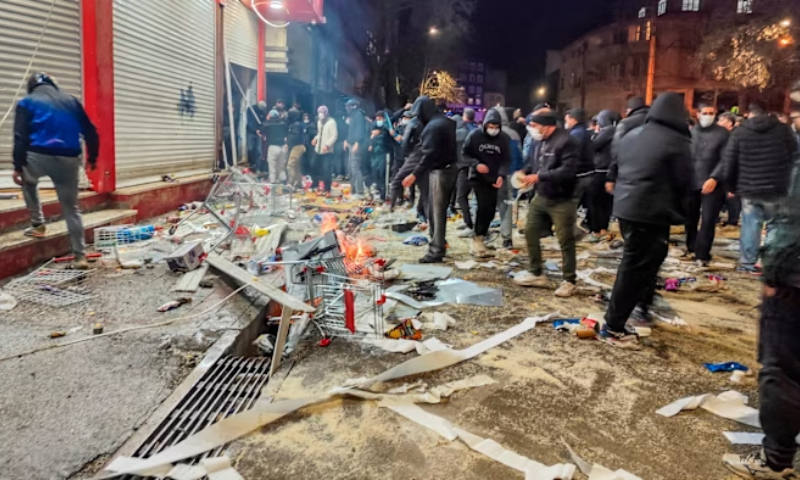
Despite a nationwide internet shutdown and escalating security measures, protests continued overnight in several cities, including Tehran. Videos circulating online before connectivity was cut showed thousands of demonstrators marching through the capital, setting fire to a building linked to state broadcasters and raising the lion-and-sun flag used before the 1979 Islamic Revolution.
The unrest has gained further momentum following calls for demonstrations by Reza Pahlavi, the exiled son of Iran’s last shah. Footage showed protesters chanting in his support in multiple cities, including Mashhad, the supreme leader’s hometown. Pahlavi praised demonstrators in a social media post and urged them to continue protests despite restrictions, issuing another call for demonstrations on Friday evening.
The protest movement, now active in all of Iran’s provinces, is considered the most serious challenge to the authorities in years. It began on December 28 following a sharp depreciation of the national currency but quickly evolved into broader demands for political change and an end to the current system of governance.
Rights groups report that protesters have faced violent responses from security forces. According to the US-based Human Rights Activists News Agency, at least 42 people have been killed and more than 2,270 detained since the unrest began. Protesters have described the use of force by police, paramilitary Basij units and plainclothes security personnel, including the use of motorbikes to disperse crowds.
Iranian state media acknowledged the protests for the first time on Friday, characterizing them as violent riots instigated by “terrorist agents” linked to the US and Israel. State television aired footage of pro-government rallies and emphasized that daily life was continuing normally for most citizens.
State-linked outlets also claimed that Iranian authorities had arrested alleged Israeli intelligence operatives accused of infiltrating protest movements and planning a “false-flag” operation to blame the state for civilian deaths.
Authorities cut internet access across Iran on Thursday evening, coinciding with renewed calls for protests. The blackout has made it difficult to independently verify developments on the ground and assess the scale of demonstrations.
Despite the crackdown, protesters reported continued defiance, with clashes in several cities and scenes of security forces retreating after confrontations. Anger toward the ruling establishment has also spilled over into attacks on religious institutions, including an incident at a Shia seminary in Gonabad earlier this week, according to local officials.
As protests continue and authorities signal harsher measures, the situation remains volatile, with uncertainty over whether the unrest will subside or further escalate in the coming days.