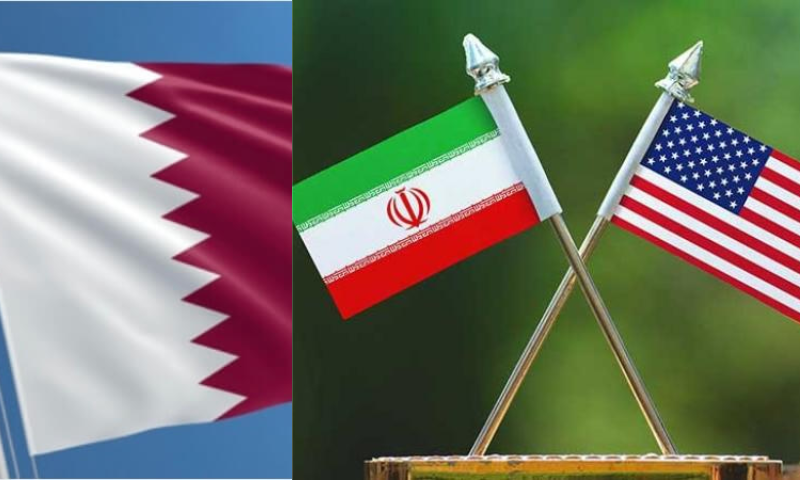
Doha/Tehran/Washington, January 14, 2026: Qatar announced on Wednesday that precautionary measures have been taken at the US-run Al Udeid Air Base, including the departure of some personnel, amid rising regional tensions. The International Media Office of Qatar said these steps are part of broader efforts to protect citizens, residents, and critical infrastructure, adding that any further developments would be announced through official channels.
The move comes after reports from the Wall Street Journal and CBS that the US military is evacuating personnel from the base as a precaution. Tensions have risen following Tehran’s warning to neighboring countries hosting US forces that American bases would be targeted if Washington intervened in Iran’s ongoing protests.
The protests, initially sparked by economic grievances, have become the largest challenge to Iran’s leadership since the 1979 revolution. US President Trump has repeatedly threatened military intervention, warning of strong action if Iran escalates violence against protesters. A senior Iranian official, speaking anonymously, stated that Iran has informed regional countries, including Saudi Arabia, UAE, and Turkey, that US bases in their territories could be attacked in retaliation.
Direct contacts between Iran’s Foreign Minister Abbas Araqchi and US Special Envoy Steve Witkoff have reportedly been suspended amid mounting tensions. While there are no signs of large-scale troop movements off the base, reports cite Israeli assessments suggesting that Trump has decided to intervene, though the scope and timing remain unclear.
Iran has also vowed to fast-track trials for individuals arrested in connection with the protests. Judiciary chief Gholamhossein Mohseni Ejei visited a Tehran prison holding detainees, stating that cases should be expedited and tried in public. State media footage showed Ejei personally interrogating a detainee accused of carrying Molotov cocktails.
Meanwhile, the protests have drawn international attention due to heavy casualties and a severe internet blackout imposed since January 8, lasting 132 hours, according to monitoring group NetBlocks. Rights groups report that hundreds of protesters have been killed and over 10,600 arrested. Amnesty International has called for a halt to executions, including that of 26-year-old protester Erfan Soltani, who has been sentenced to death.
In Tehran, authorities held mass funeral ceremonies for over 100 members of the security forces killed during the unrest, framing them as “martyrs.” The Supreme Leader, Ayatollah Ali Khamenei, hailed pro-government rallies as evidence that the protest movement has been suppressed, calling them a “warning” to the US.
European nations, including France, Germany, and the UK, as well as the European Union, have expressed outrage over the crackdown and signaled possible sanctions. EU chief Ursula von der Leyen described the rising death toll as “horrifying.” According to Norway-based NGO Iran Human Rights, at least 734 people, including nine minors, have been confirmed killed, though the actual number may be significantly higher.
Analysts note that while the protests present a serious challenge to the Islamic Republic, the leadership’s entrenched security apparatus—including the Revolutionary Guard Corps—remains capable of maintaining control. Nicole Grajewski, professor at the Sciences Po Centre for International Studies, described the unrest as a “serious challenge” but said it is too early to predict whether it could unseat Iran’s leadership.
The situation continues to evolve rapidly, with heightened global concern over regional stability, potential US military action, and the humanitarian consequences of Iran’s crackdown on protesters.