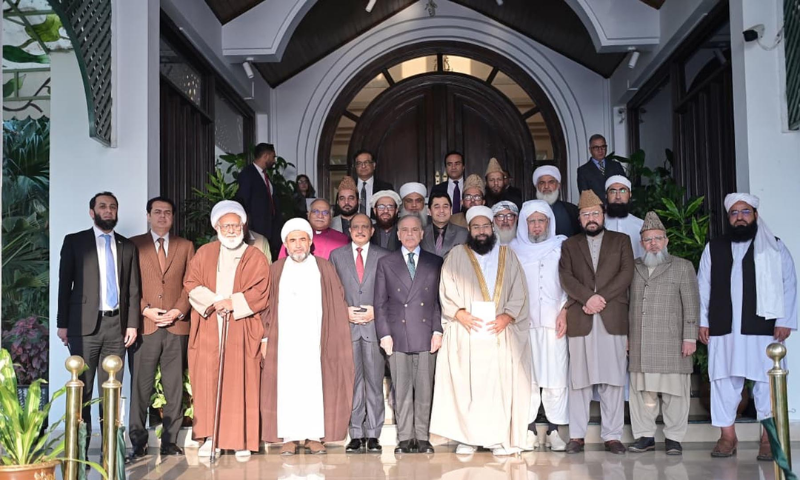
Islamabad, January 16, 2026: Prime Minister Shehbaz Sharif on Friday reaffirmed the government’s determination to defeat terrorism through a coordinated national effort, stressing that peace, stability, and prosperity remain Pakistan’s core objectives.
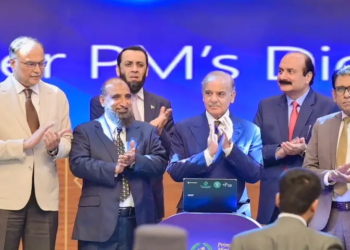
Chairing a meeting of the Qaumi Paigham-e-Aman Committee (QPAC), the Prime Minister highlighted the committee’s pivotal role in strengthening the national narrative against extremism, drawing parallels to the historic role of ulema in the creation of Pakistan. “This task is difficult but not impossible,” he remarked, describing terrorism as the country’s most serious challenge and underscoring the need for collective resolve.
The Prime Minister paid tribute to the sacrifices of Pakistanis in the fight against terrorism, noting that over 100,000 citizens had embraced martyrdom in this struggle. He also urged the international community to recognize Pakistan’s sacrifices, particularly in light of the surge in terror incidents following the Taliban takeover of Kabul in 2021. According to statistics shared by Inter-Services Public Relations (ISPR) Director-General Lt Gen Ahmed Sharif Chaudhry, 75,175 intelligence-based operations (IBOs) were conducted in 2025, resulting in the elimination of 2,597 terrorists.
PM Shehbaz Sharif added that Islamabad possessed concrete evidence of external support being provided to terrorist elements, expressing confidence that Pakistan would once again defeat terrorism.
Speaking on the occasion, Information Minister Attaullah Tarar said the national narrative to discourage terrorism and promote peace would be further strengthened. He noted that QPAC members would visit different regions of the country to convey messages of peace and counter hate-based narratives. A two-day conference in Khyber Pakhtunkhwa will also bring together ulema from all schools of thought to promote peace and discourage terrorism.
Hafiz Muhammad Tahir Mahmood Ashrafi, Chairman of the Pakistan Ulema Council and Coordinator of QPAC, said committee members would visit terrorism-affected areas, engage local communities, religious scholars, and the armed forces, and act as frontline ambassadors of peace.
Ulema from various schools of thought and representatives of minority communities attending the meeting expressed full support for the government’s initiative, unanimously declaring terrorists and Fitna-al-Khawarij as enemies of the state. They stressed the need to counter anti-state narratives, particularly through positive engagement and guidance of the youth.