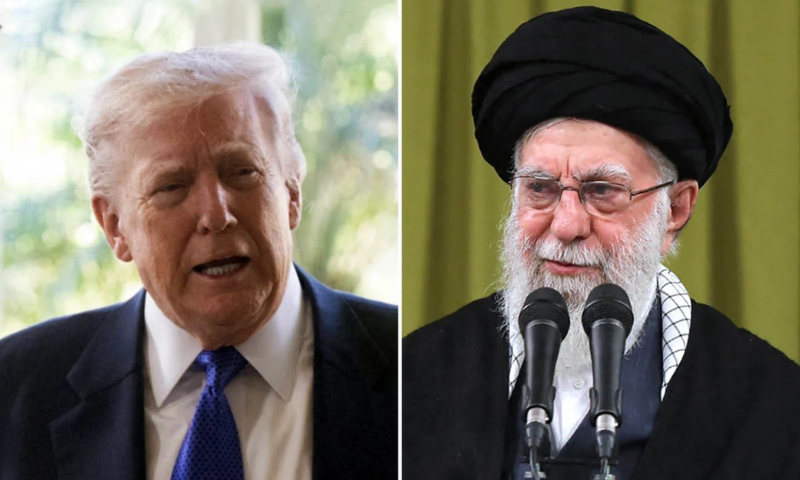
Tehran/Washington, February 2, 2026: Iran and the United States will resume nuclear talks on Friday in Istanbul, officials from both countries told Reuters on Monday, as efforts intensify to revive diplomacy over Iran’s nuclear programme and avert the risk of a wider regional conflict.
US Special Envoy Steve Witkoff and Iranian Foreign Minister Abbas Araqchi are expected to lead the talks. A regional diplomat said representatives from Qatar, Saudi Arabia, the UAE and Egypt, along with other countries, would also participate, with bilateral, trilateral and multilateral meetings planned on the sidelines.
The renewed diplomatic push comes amid heightened tensions, including a US naval buildup near Iran following a deadly crackdown on anti-government protests last month — the worst domestic unrest since Iran’s 1979 revolution. US President Donald Trump, who had threatened intervention during the unrest, has since demanded nuclear concessions from Tehran while deploying naval forces closer to Iran’s coast.
Trump said last week that Iran was “seriously talking,” while Iran’s top security official Ali Larijani confirmed that arrangements for negotiations were under way. Iranian sources said Washington had set three conditions for resuming talks: zero uranium enrichment, limits on Iran’s ballistic missile programme, and an end to Tehran’s support for regional proxies — demands Iran has long rejected as violations of its sovereignty.
However, two Iranian officials told Reuters that Tehran views its missile programme, rather than uranium enrichment, as the main obstacle. Foreign Ministry spokesperson Esmaeil Baghaei said Iran was reviewing “all dimensions” of the talks, stressing that sanctions relief was urgent.
A Turkish ruling party official confirmed that both sides had agreed to re-focus on diplomacy, raising hopes of easing tensions and avoiding potential US strikes. Witkoff is also expected to visit Israel to meet Prime Minister Benjamin Netanyahu and Israel’s military chief, according to Israeli officials.
An Iranian official said Tehran was prepared to show flexibility on enrichment — including handing over 400 kilograms of highly enriched uranium and accepting zero enrichment under a consortium arrangement — but insisted there should be no preconditions and called for US military assets to be moved away from Iran.
“Now the ball is in Trump’s court,” the official said.
The talks follow years of stalled diplomacy. After five rounds of negotiations that halted in May 2023, major differences remained, particularly over enrichment on Iranian soil and the fate of Iran’s uranium stockpile. The issue gained urgency after US strikes on Iranian nuclear sites last June, following a 12-day Israeli bombing campaign.
Satellite imagery reviewed by Reuters shows limited repair work at Isfahan and Natanz since December, while a US-based think tank said recent construction activity could indicate preparations for further military action or asset relocation.
Western powers remain concerned that Iran’s enrichment activities could enable the development of nuclear weapons, a claim Tehran denies, insisting its nuclear programme is solely for civilian purposes. Iran has indicated it could ship enriched uranium abroad and pause enrichment — provided that economic sanctions are lifted as part of any agreement.