Islamabad/Tehran/Washington, March 29, 2026: Pakistan has moved to the forefront of international diplomatic efforts to de-escalate the widening Middle East conflict, as tensions between the United States, Israel, and Iran continue to intensify with growing fears of a broader regional war.
Prime Minister Shehbaz Sharif held a detailed telephonic conversation with Iranian President Masoud Pezeshkian, discussing ongoing hostilities and Pakistan’s role in facilitating dialogue between Tehran and Washington. The call comes as Islamabad hosts a series of high-level meetings involving regional powers aimed at reducing tensions.
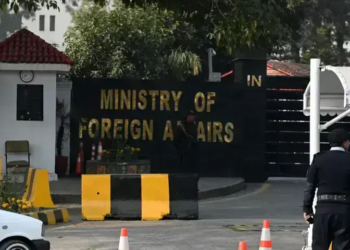
On Sunday, Pakistan is convening key diplomatic engagements with the foreign ministers of Türkiye, Saudi Arabia, and Egypt to explore pathways for de-escalation and coordinated peace efforts. Officials describe these consultations as part of a broader initiative positioning Pakistan as a mediator in the crisis, working closely with Ankara and Cairo.
The diplomatic push follows a significant confidence-building measure highlighted by Deputy Prime Minister and Foreign Minister Ishaq Dar, who announced that Iran has agreed to allow additional Pakistani-flagged vessels to transit through the strategically critical Strait of Hormuz. The move is expected to ease pressure on global energy markets and signal a willingness for cooperation amid heightened tensions.
Meanwhile, the regional security situation continues to deteriorate. Iran’s Parliament Speaker Mohammad Bagher Ghalibaf accused the United States of pursuing a dual strategy of diplomacy and military escalation, warning of a potential ground offensive. His remarks came as Washington deployed thousands of Marines to the Middle East, raising concerns about an expanded conflict.
Reports from international media suggest the Pentagon is weighing options that could include ground operations in Iran, although US officials, including Secretary of State Marco Rubio, have indicated that diplomatic and strategic objectives could still be achieved without large-scale troop deployment.
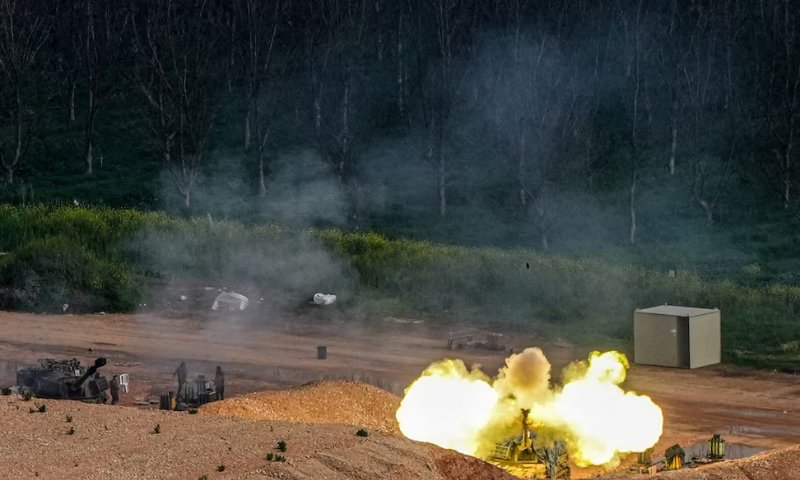
The conflict, which began with US and Israeli strikes on Iran in late February, has since spread across multiple fronts, including Lebanon, the Gulf, and beyond. Iranian-aligned Houthi forces in Yemen have also entered the conflict, launching attacks on Israel and threatening key shipping routes in the Red Sea and Arabian Peninsula.
The humanitarian and economic toll continues to mount. Airstrikes and missile exchanges have caused casualties across Iran, Israel, and neighboring regions, while critical infrastructure—including energy facilities and transport corridors—has been targeted. The Strait of Hormuz, a vital artery for nearly a quarter of global oil trade, remains partially disrupted, contributing to a global fuel crisis.
Amid the escalating violence, Pakistan’s diplomatic engagement is increasingly seen as a crucial channel for dialogue. By leveraging its relations with both regional and global stakeholders, Islamabad aims to facilitate negotiations and promote confidence-building measures that could prevent further escalation.
Officials emphasize that sustained diplomacy, regional cooperation, and inclusive dialogue remain the only viable path to restoring stability in an increasingly volatile Middle East.