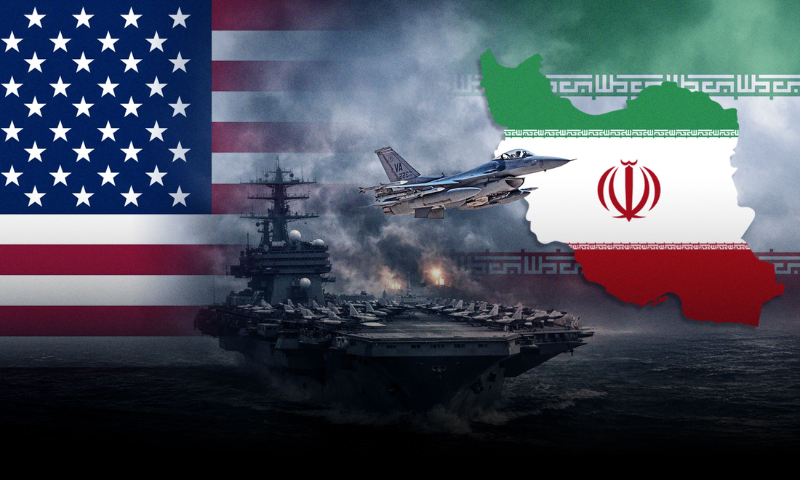
Islamabad / Washington / Tehran, April 6, 2026: Pakistan is playing a central role in diplomatic efforts to de-escalate the rapidly intensifying conflict between the United States and Iran, as hostilities continue to claim civilian lives and threaten global energy supplies.
US President Donald Trump on Monday reiterated a hardline stance against Tehran, claiming that Iran “does not want to say ‘uncle’” while threatening further attacks on Iranian infrastructure if deadlines are not met. Trump stated that the US has been negotiating indirectly with Iran through Pakistan, seeking commitments on nuclear non-proliferation and the reopening of the strategically vital Strait of Hormuz.
Iran, however, has rejected Washington’s pressure tactics and emphasized that temporary ceasefires are insufficient, demanding a permanent settlement with guarantees against future attacks. Iranian officials have formulated their positions and conveyed them via mediators, including Pakistan, Turkey, and Egypt.
Pakistan’s proposal: the Islamabad accord
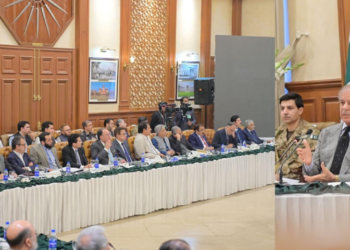
According to sources familiar with the talks, Pakistan shared a two-tier framework aimed at restoring peace and security in the region. Under the proposed Islamabad Accord, an immediate ceasefire would be followed by broader negotiations to reach a comprehensive agreement. The plan also includes a regional framework for managing the Strait of Hormuz and calls for in-person talks in Islamabad to finalize details.
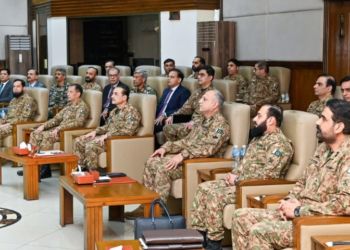
Chief of Defence Forces and Army Chief Asim Munir has been in continuous contact with US Vice President JD Vance, special envoy Steve Witkoff, and Iranian Foreign Minister Abbas Araghchi to facilitate negotiations. The initiative reflects Pakistan’s growing role as a neutral intermediary in a conflict threatening global oil markets and regional stability.
Human toll and military escalation
Despite ongoing diplomatic efforts, the conflict has escalated in the past 24 hours:
- A US-Israeli air strike in Tehran’s Baharestan district killed at least 13 civilians and destroyed multiple residential units.
- Another strike in Qom claimed at least five lives, with rescue operations ongoing.
- Iran targeted US forces on Kuwait’s Bubiyan Island, striking satellite and munitions facilities, injuring six civilians in northern Kuwait from falling debris.
- Iran launched multiple ballistic missiles at central Israel, hitting Tel Aviv, East Jerusalem, and Haifa. At least seven people were injured, and two bodies were recovered from rubble in Haifa.
Iranian state media also reported the killing of Majid Khademi, head of the intelligence organization of the Islamic Revolutionary Guard Corps, in what Tehran described as a “terrorist attack by the American-Zionist enemy.”
International reactions and energy security
The conflict has raised concerns over the security of shipping through the Strait of Hormuz, a critical artery for global oil supplies. Markets are monitoring developments closely, as any disruption could have far-reaching economic consequences.
Pakistan continues to advocate for restraint, dialogue, and immediate measures to protect civilians and restore stability. A source involved in the Islamabad-mediated negotiations confirmed that the framework has yet to be accepted by Iran, with Tehran stressing that it will not respond to ultimatums.
While President Trump has set a Tuesday deadline for Iran to meet US demands, Pakistan’s efforts underline the importance of diplomacy and multilateral engagement in ending the conflict. Analysts note that Pakistan’s role as a mediator demonstrates its increasing diplomatic leverage in the region and its commitment to regional peace and security.