Islamabad/Tehran/Washington, April 7, 2026: Pakistan’s diplomatic efforts to de-escalate the intensifying conflict involving Iran, the United States and Israel have entered a “critical and sensitive stage,” even as the war expands across multiple fronts and threatens global energy security.
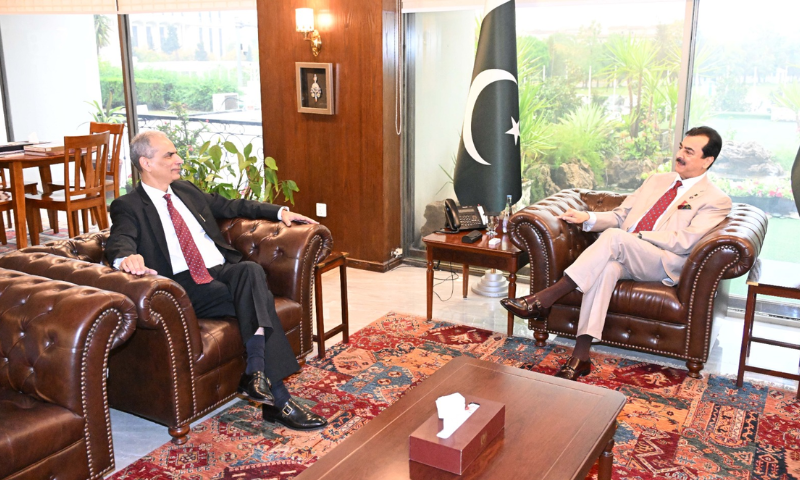
Iran’s Ambassador to Pakistan, Reza Amiri Moghadam, said Islamabad’s role has been “positive and productive,” highlighting Pakistan’s growing importance as a potential mediator amid rising regional tensions.
War intensifies, casualties mount
The conflict, which began on February 28, has seen a sharp escalation in recent days. Iranian President Masoud Pezeshkian said that millions of Iranians have volunteered to defend the country, underscoring the scale of national mobilization.
According to reports cited by Al Jazeera, at least 2,076 people have been killed and more than 26,500 injured in Iran since the outbreak of hostilities.
Israeli strikes have reportedly targeted senior Iranian leadership and strategic installations, while explosions were heard in Tehran amid continued aerial activity. Iran’s semi-official Mehr news agency reported that Khorramabad airport was hit in a joint US-Israeli strike.
Strait of Hormuz crisis and UNSC action
The situation has been further aggravated by tensions in the Strait of Hormuz—a critical global oil transit route through which nearly 20 percent of the world’s energy supplies pass.
Iran has significantly restricted maritime traffic in the strait following the attacks, triggering a surge in global oil and gas prices. The United Nations Security Council is set to vote on a resolution calling on Iran to ensure freedom of navigation and halt threats to commercial shipping, although divisions among major powers have softened the language of the draft.
Trump issues ultimatum
US President Donald Trump has issued a stark ultimatum to Tehran, demanding that it reopen the Strait of Hormuz or face severe military consequences. He warned of potential strikes on Iranian infrastructure if compliance is not met within the set deadline.
Trump also used a high-profile press briefing to project military strength, highlighting a recent rescue operation of a stranded US airman inside Iran, while remaining noncommittal about whether Washington would escalate or wind down the conflict.
Regional spillover and expanding fronts
The conflict is increasingly spilling beyond Iran’s borders. Iranian projectiles reportedly struck central Israel, causing damage in areas including Rosh Haayin and Ramat Hasharon, though no casualties were confirmed.
Meanwhile, the Lebanese group Hezbollah claimed multiple rocket and missile attacks on Israeli settlements and military positions, while also engaging Israeli aircraft over southern Lebanon.
Israeli airstrikes in Lebanon have reportedly killed several civilians, according to local media, further raising fears of a wider regional war.
Civilian impact and infrastructure damage
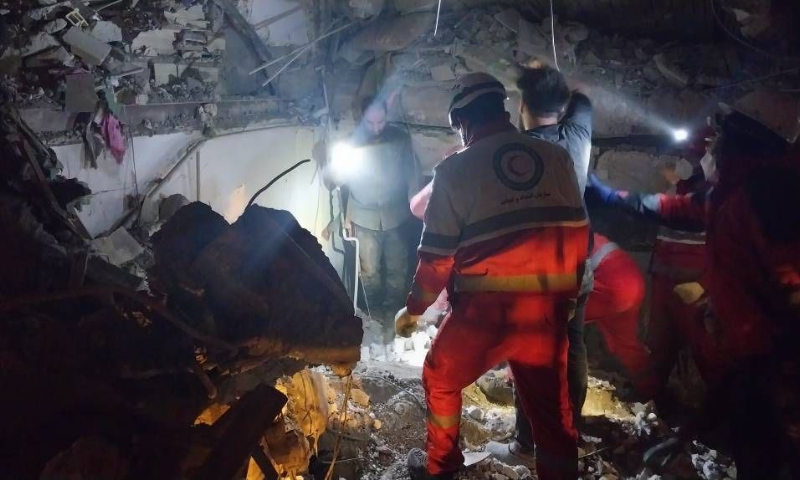
Inside Iran, civilian areas continue to bear the brunt of the conflict. Iranian media reported that residential neighborhoods in Tehran and Alborz province were struck, with casualties including women and children. A synagogue adjacent to a targeted residential building in Tehran was also destroyed, though casualty figures remain unclear.
The Israeli military has issued warnings to Iranian civilians to avoid certain public infrastructure, including railways, citing safety concerns.
Global energy shock deepens
The ongoing crisis has triggered what Fatih Birol described as an unprecedented disruption to global energy markets. The head of the International Energy Agency warned that the current crisis surpasses previous shocks in 1973, 1979, and 2022 combined.
Developing countries are expected to face the harshest consequences, including rising fuel and food prices and accelerating inflation.
Pakistan’s diplomatic push
Amid the escalating violence, Pakistan has intensified its diplomatic outreach, positioning itself as a key interlocutor between Tehran and Washington. Iranian officials have confirmed that responses to US proposals for ending the war have been conveyed through Pakistani channels.
While Tehran has rejected a temporary ceasefire, it has indicated willingness for a comprehensive agreement that includes a permanent end to hostilities, sanctions relief, and guarantees for secure maritime transit.
Diplomatic observers note that Pakistan’s mediation could prove in preventing further escalation, as global powers struggle to find common ground.
With the war entering a critical phase, the coming days are expected to be decisive. The combination of military escalation, diplomatic brinkmanship, and economic disruption has created a volatile situation with far-reaching global consequences.
As tensions rise, Pakistan’s peace efforts may represent one of the few remaining avenues to avert a broader regional and economic catastrophe.