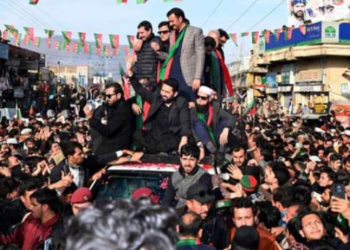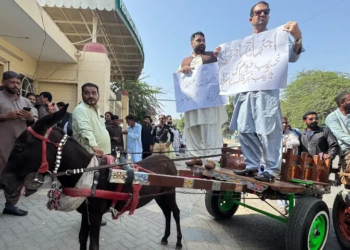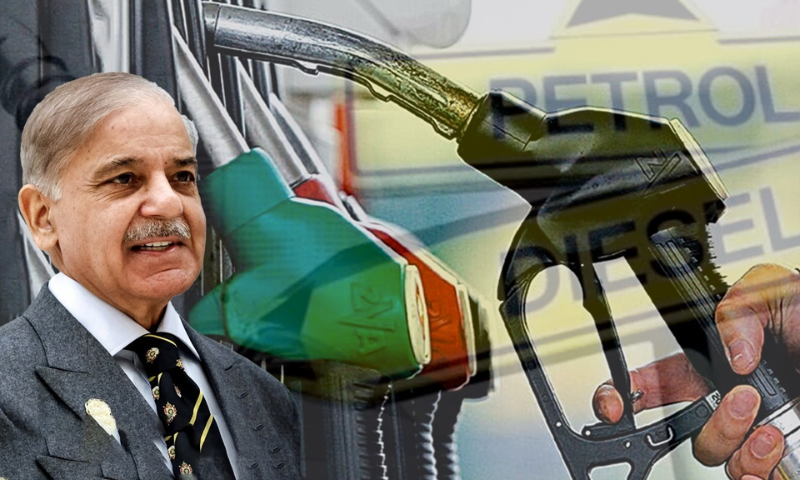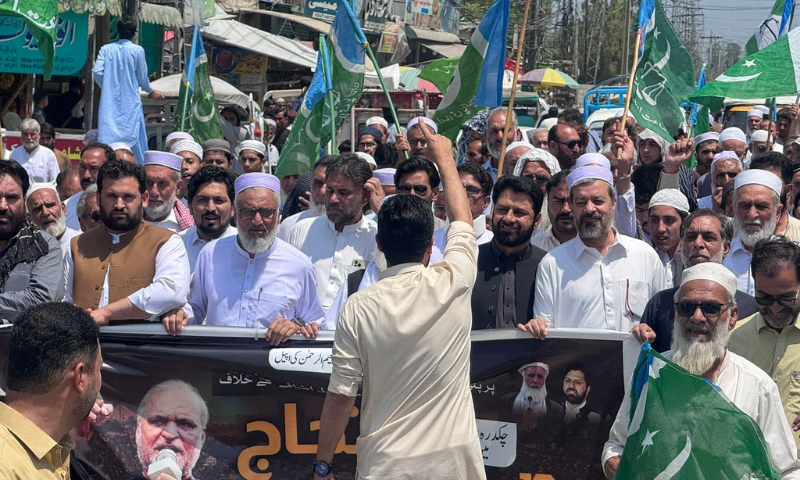
Islamabad, June 19, 2026: Jamaat-e-Islami (JI) organized protest demonstrations across Northern Punjab on Friday, demanding greater relief in petroleum prices and utility costs amid declining trends in the international oil market.
The protests were held at district headquarters including Rawalpindi, Gujrat, Mandi Bahauddin, Talagang, Khushab, Chakwal, Jhelum, Attock, Mianwali, Sargodha, Bhakkar, and Murree following an appeal by JI Ameer Hafiz Naeem-ur-Rehman.
The demonstrations were led by the party’s central, provincial, and district leadership. Deputy Secretary General Azhar Iqbal Ahsan headed the protest in Rawalpindi, while Dr. Tariq Saleem, Ameer Jamaat-e-Islami Punjab, led the gathering in Gujrat. JI Secretary General Iqbal Khan led the protest in Attock. Other senior leaders, including Syed Arif Shirazi, Usman Akash, and Raza Ahmed Shah, also addressed participants.
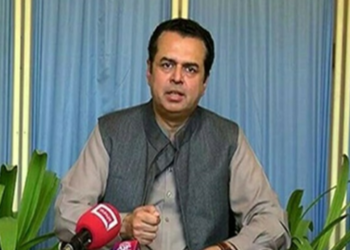
Speaking at the Rawalpindi protest, Azhar Iqbal Ahsan argued that international oil prices had fallen significantly following the easing of tensions between Iran and the United States, but the government had not passed on adequate relief to consumers.
He claimed that a recent reduction in petroleum prices was achieved due to public pressure generated by Jamaat-e-Islami’s protest campaign and called on the government to further reduce petrol prices to Rs225 per litre.
Ahsan also demanded the abolition of the petroleum levy and urged authorities to freeze fuel prices for the next three years to help control inflation and provide long-term relief to the public.
He further called for reductions in electricity and gas tariffs, maintaining that consumers should benefit from declining global energy prices. Criticizing the government’s fiscal policies, he said citizens were being burdened with additional taxes and levies while official expenditures and privileges remained largely unchanged.
Referring to Pakistan’s economic commitments under the International Monetary Fund (IMF) programme, Ahsan said government officials frequently cite IMF conditions to justify increases in utility prices and taxation but do not apply similar austerity measures to official spending. He urged the government to prioritize public welfare and reduce reliance on indirect taxation.
Addressing the protest in Gujrat, Dr. Tariq Saleem said international oil prices had continued to decline following the Iran-U.S. understanding and the reopening of the Strait of Hormuz. He argued that the reduction in domestic fuel prices announced by the government was insufficient and failed to provide meaningful relief to consumers.
According to him, the burden of IMF-linked economic policies was being transferred to ordinary citizens through higher fuel and electricity costs despite persistent inflation, unemployment, and increasing taxation.
Dr. Tariq Saleem said low-income families, laborers, students, and motorcyclists collectively contribute billions of rupees annually through petroleum levies. He criticized what he termed excessive government spending and called on public officeholders to reduce their own privileges and expenditures.
He advocated austerity measures, reductions in non-essential government spending, and greater support for farmers, workers, and lower-income segments of society.
The JI Punjab leader also criticized the recently announced federal budget, saying it had failed to provide meaningful relief to the poor and middle classes. He warned that rising poverty and economic hardship required policies focused on public welfare, industrial growth, job creation, and inflation control.
Jamaat-e-Islami leaders reiterated their commitment to continuing what they described as peaceful and democratic protests until the government adopts measures aimed at reducing inflation, lowering fuel and utility prices, and providing broader economic relief to the public.