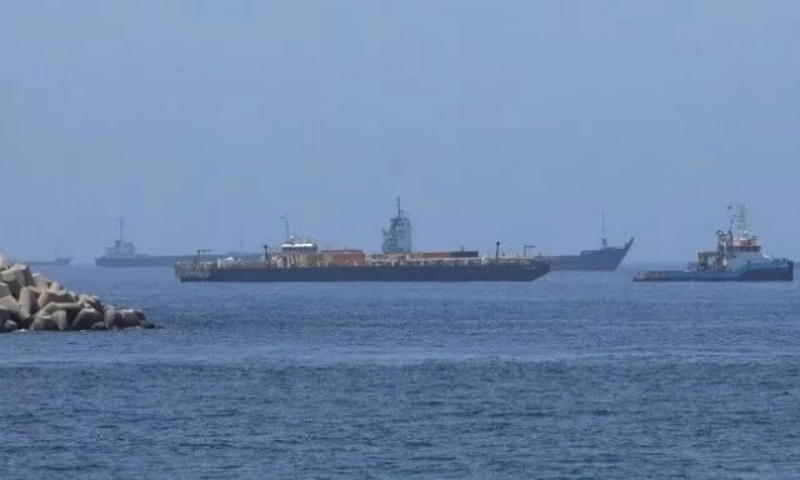
Tehran, July 22, 2026: Tensions between Iran and the United States escalated sharply on Wednesday as Tehran warned it would target regional infrastructure, including energy facilities, if Washington attacked Iranian bridges or power plants, following US President Donald Trump’s threat to strike key infrastructure in response to attacks on commercial shipping in the Strait of Hormuz.
Trump said the United States would bomb an Iranian bridge or power plant every time Tehran targeted a commercial vessel in the strategic waterway, warning that any future missile, drone or rocket attack on shipping would trigger immediate military retaliation.
Responding through Iran’s semi-official Tasnim News Agency, an Iranian military source said Tehran had a “steel determination” to exercise its sovereignty over the Strait of Hormuz and would not allow the waterway to become a source of threats against the country.
The source said commercial shipping would remain safe if vessels coordinated with Iranian authorities and complied with arrangements established by Tehran. Otherwise, Iran would continue to enforce what it described as its control over the strategic waterway.
“If the US targeted any Iranian bridge or power plant, Tehran would respond by striking regional infrastructure, including energy facilities in which Washington has interests,” the source warned.
The warning came as US and Iranian forces continued exchanging strikes despite a Pakistan-brokered framework agreement signed in June aimed at ending the conflict and paving the way for a lasting peace settlement.
US Secretary of State Marco Rubio said Washington remained open to diplomacy but accused Tehran of failing to engage seriously in negotiations. Speaking in Manila, Rubio said the United States wanted a diplomatic agreement that would prevent Iran from acquiring nuclear weapons and halt its support for militant groups.
He also rejected Iran’s interpretation of the Islamabad Memorandum of Understanding, saying it did not grant Tehran authority over the Strait of Hormuz or permit attacks on commercial shipping.
“The United States would love to reach a diplomatic settlement,” Rubio said. “But we are not going to sit by and let ships be blown up or Americans be attacked.”
Rubio stressed that allowing Iran to control an international waterway would set a dangerous global precedent and said President Trump retained multiple military options if diplomacy failed.
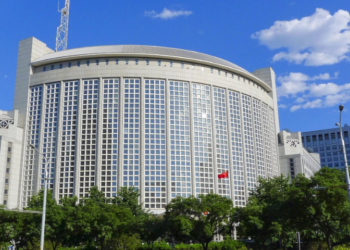
Meanwhile, Iran’s Foreign Ministry condemned what it described as repeated US attacks and threats against its peaceful nuclear facilities. Foreign Ministry spokesman Esmaeil Baghaei said the actions violated the UN Charter, international law and International Atomic Energy Agency resolutions, accusing Washington of using fabricated pretexts to justify aggression.
Military tensions continued overnight as Iran reported that its air defence systems shot down a drone over Tehran, while explosions were heard in Bushehr, Chabahar, Konarak and other parts of the country following fresh US strikes.
Iran also claimed to have launched new waves of drone attacks against US military facilities in Jordan, Bahrain and Kuwait, targeting logistics centres, aircraft maintenance facilities and ammunition depots. Jordan said its air defence systems intercepted six Iranian missiles, while Bahrain earlier reported intercepting aerial attacks. There was no immediate confirmation from Kuwait regarding the reported strike.
Iran’s judiciary also announced the execution of Mehdi Khanki, who had been convicted of working on behalf of the United States and Israel and possessing weapons and explosives.
The conflict has also intensified concerns over global energy security. French shipping giant CMA CGM announced emergency surcharges on cargo shipments beginning August 1 due to rising fuel costs linked to escalating hostilities in the Strait of Hormuz. The company said bunker fuel prices had surged again, increasing shipping costs across global trade routes.
Oil prices extended recent gains, with Brent crude rising above $92 per barrel and US West Texas Intermediate trading above $85, reflecting growing fears over potential disruptions to Gulf energy supplies.
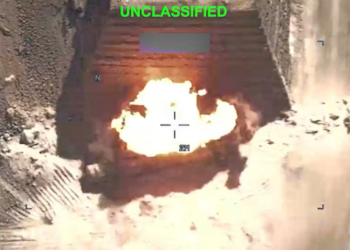
The US military confirmed it had completed another round of air strikes on Iranian military targets, marking the 11th consecutive night of American operations. According to US Central Command, the strikes targeted military operations centres, drone facilities, aircraft hangars and maritime infrastructure intended to reduce Iran’s ability to threaten international shipping.
Washington says Iran has attacked more than 30 commercial vessels transiting the Strait of Hormuz over the past three months.
Meanwhile, Yemen’s Houthi movement has expanded the regional crisis by threatening commercial vessels linked to Saudi Arabia in the Red Sea, prompting several oil tankers to alter their routes.
As military operations continue and diplomatic efforts struggle to gain momentum, the confrontation has further heightened concerns over regional stability, global energy markets and the security of one of the world’s most important maritime trade routes.