Islamabad, May 15, 2025: Pakistan’s Foreign Minister Ishaq Dar announced on Thursday that the ceasefire with India has been extended until May 18, following days of military confrontation between the two nuclear-armed neighbours. Dar indicated that the path ahead would lead to civilian-level dialogue, setting the stage for broader diplomatic engagement.
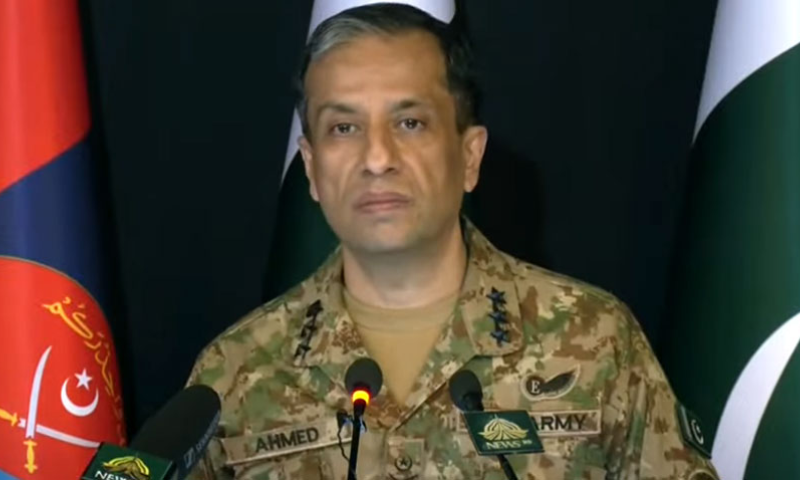
The extension comes after a military-to-military conversation took place via hotline between the Directors General of Military Operations (DGMOs) of both countries—the first such exchange since hostilities began.
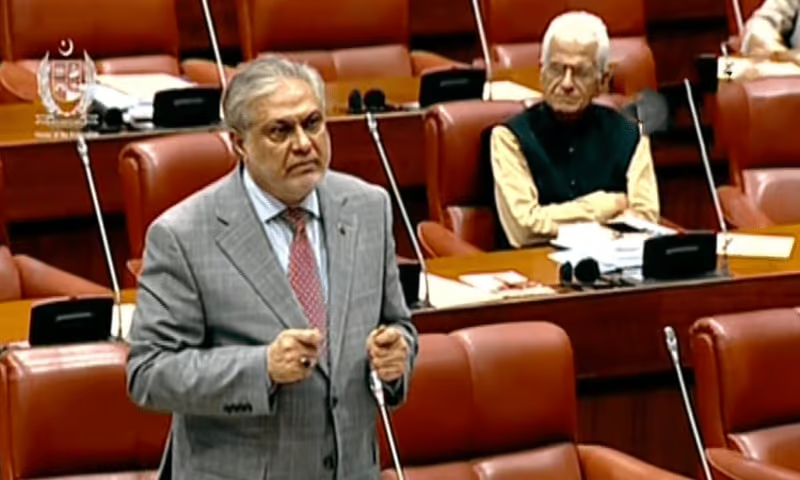
“Ultimately, the matter will go to dialogue between the civilian leadership of the countries,” FM Dar said during a session of the Senate. “Right now, these are military-to-military communications.”
The confrontation was triggered by Indian air strikes on May 6–7, in response to the April 22 Pahalgam attack in Indian Illegally Occupied Jammu and Kashmir (IIOJK), which killed 26 tourists. Pakistan denied any involvement, condemning the air raids as a violation of sovereignty that caused civilian casualties.
The situation rapidly escalated into a dangerous exchange of missile strikes over several days, which only subsided after U.S. mediation. According to Dar, it was the U.S. Secretary of State who initiated a de-escalation process after confirming that India was willing to halt hostilities.
“We did not request a ceasefire,” Dar stated. “We informed all friendly countries beforehand that Pakistan would not initiate conflict, but would respond if provoked. Our response was decisive yet measured—guided by international norms.”
Dar confirmed that Pakistan would pursue a composite dialogue with India to address a range of long-standing issues, including the Kashmir dispute and water distribution conflicts.
“A political dialogue will take place between the two countries, and a resolution for all the problems will be discussed,” he added.
On Wednesday, Prime Minister Shehbaz Sharif extended an invitation to India for a comprehensive dialogue to resolve all outstanding bilateral issues, emphasizing that peace and development in South Asia hinge on mutual cooperation.
During Thursday’s Senate session, lawmakers passed a unanimous resolution lauding the Pakistan Armed Forces for their conduct during Operation Bunyan-un-Marsoos, Pakistan’s retaliatory military campaign. The resolution, tabled by Law Minister Azam Nazeer Tarar, described the operation as a demonstration of professionalism, restraint, and maturity, befitting a responsible nuclear state.
The Senate resolution honoured the martyrs of the operation and expressed solidarity with their families, congratulated the people of Pakistan for national unity across political and ideological lines, condemned India’s attacks on civilians, mosques, women, and children, urged the government to engage the international community for a peaceful and just resolution of the Kashmir dispute, stressed the importance of strict adherence to the Indus Waters Treaty, highlighting growing regional water tensions.