Tel Aviv/Tehran, June 19, 2025: Iran launched its most extensive missile assault to date on Thursday, targeting multiple Israeli cities, including Tel Aviv, Jerusalem, Holon, and Beersheba. The pre-dawn barrage caused widespread destruction and injured over 50 people, many of them critically, in what analysts are calling a dramatic escalation in the ongoing regional conflict.
Air raid sirens echoed across central and southern Israel as dozens of Iranian projectiles struck civilian and strategic locations. The attack caused partial or total destruction of several buildings, particularly in densely populated areas, catching residents and emergency services by surprise.
In Holon, several residential buildings suffered direct hits, leaving streets strewn with debris. Local hospitals were overwhelmed with casualties, with health officials reporting severe trauma injuries linked to the blast impacts. In Beersheba, witnesses described scenes of chaos as emergency responders battled fires and searched for survivors under rubble.
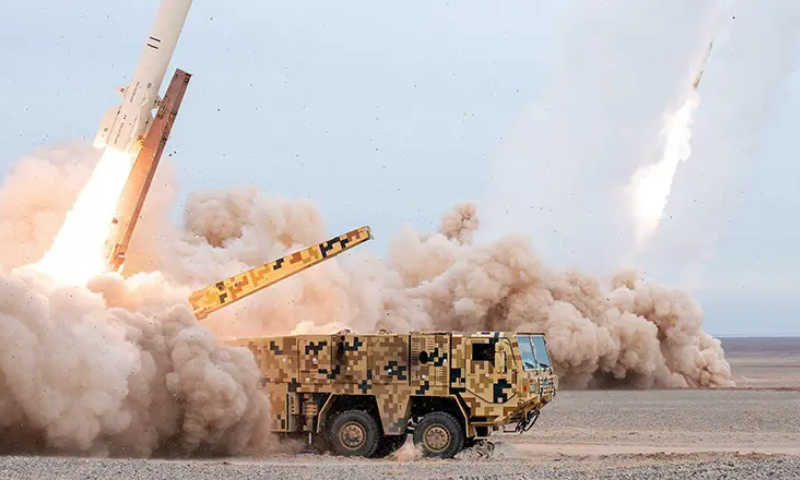
Iranian military officials confirmed the use of the long-range Sejjil missile for the first time in this conflict. The solid-fueled ballistic missile is capable of high-speed, high-altitude strikes. Tehran claimed that several missiles hit strategic targets in Tel Aviv and Haifa with precision accuracy.
Thursday’s assault was part of Iran’s ongoing campaign, Operation Wa’ad-e-Sadiq, and marked the eleventh direct missile attack on Israel in recent weeks. Military analysts view the deployment of the Sejjil missile as a significant escalation, suggesting Iran’s growing willingness to engage in more technologically advanced warfare.
Despite the Israeli military’s activation of its Iron Dome and other air defense systems, multiple missiles penetrated the defensive shield. Israeli Defense Forces (IDF) are currently assessing the extent of the damage and reviewing gaps in their interception capabilities. The attack was also accompanied by drone and rocket fire, compounding pressure on Israel’s airspace defenses.
Iranian officials claimed the attack was in retaliation for Israeli operations in Syria and other regional theaters. The strikes have heightened fears of a broader conflict, with tit-for-tat exchanges between the two adversaries intensifying in recent weeks.
International leaders have called for immediate de-escalation amid growing concerns over regional stability. Diplomatic channels remain largely inactive, and the prospects for a negotiated resolution appear increasingly dim as hostilities continue to mount.