Islamabad, July 1, 2025: In a major judicial development, the Judicial Commission of Pakistan (JCP) on Tuesday approved the appointment of permanent Chief Justices for four high courts across the country.
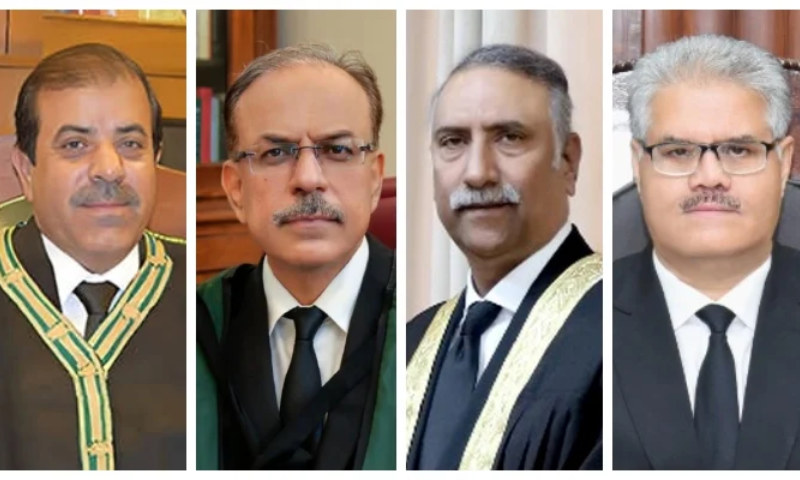
Justice Sarfraz Dogar has been approved as Chief Justice of the Islamabad High Court, Justice S.M. Attique Shah for the Peshawar High Court, Justice Rozi Khan for the Balochistan High Court, and Justice Junaid Ghaffar as Chief Justice of the Sindh High Court.
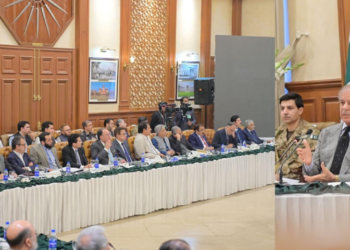
The meeting of the Judicial Commission, chaired by Chief Justice of Pakistan Justice Yahya Afridi, reviewed nominations from among the three most senior judges of each high court. The Commission comprises 13 permanent members, but for high court appointments, it expands to 16 members, with a minimum of nine votes required for a nomination to be approved.
Among those present were senior judges of the Supreme Court, the Attorney General, federal government representatives, and members from both government and opposition benches. Ahsan Bhoon represented the Pakistan Bar Council, while Roshan Khursheed Bharucha participated as the nominee of the National Assembly Speaker. In accordance with procedure, the respective Provincial Law Ministers, Bar representatives, and former judges also attended.
During the session, Justice Mansoor Ali Shah, a senior judge of the Supreme Court, raised an objection, insisting that appointments should not proceed until the issue of the 26th Constitutional Amendment is resolved. He was supported by Justice Muneeb Akhtar and two PTI members of the commission, including the Khyber Pakhtunkhwa Law Minister.
Justice Mansoor argued that the unresolved constitutional matter has implications for the judicial appointment process and must be addressed first. PTI Senator Ali Zafar, also a member of the Commission, echoed this position while speaking to the media outside the Supreme Court.
He reiterated PTI’s stance that the most senior judge should be appointed Chief Justice of the Islamabad High Court and noted that a related intra-court appeal on the IHC judges’ seniority is still pending. “Our position will be reflected in our vote,” he said, though he did not disclose how PTI members cast their ballots.
Despite the objections, the Commission moved forward with the appointments, which are expected to bring stability and clarity to the judicial leadership in the respective provinces.