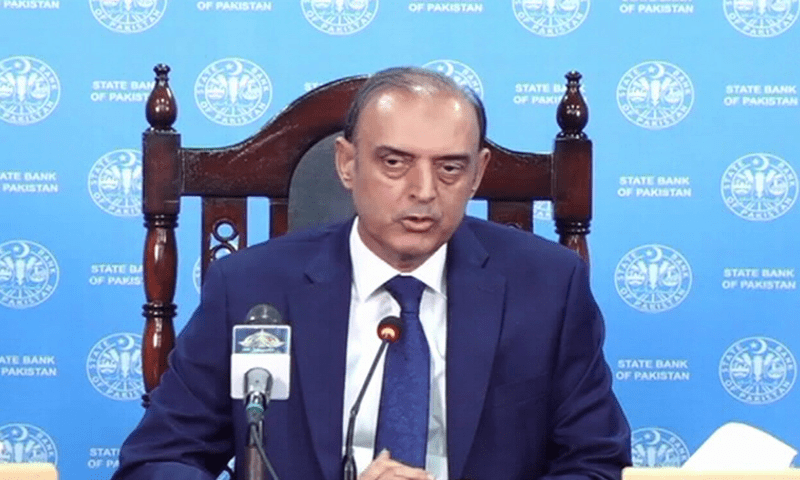
Karachi, July 30, 2025: The State Bank of Pakistan (SBP) on Wednesday decided to keep the key policy rate unchanged at 11 percent, defying expectations from the business community that had hoped for a reduction to stimulate economic activity.
Announcing the first monetary policy for fiscal year 2025–26 at a press conference in Karachi, SBP Governor Jameel Ahmad said the Monetary Policy Committee (MPC) opted to maintain the rate in response to rising inflation and anticipated increases in electricity tariffs.
“Inflation began rising again in April, and the trend continued in June and July. Given the expected hike in energy prices, maintaining the policy rate was deemed necessary,” the governor said.
Ahmad noted that inflation is projected to stay within the target range of 5–7 percent, but recent adjustments in energy prices have heightened inflationary risks.
Key macroeconomic indicators
- Exports have increased by 4% year-on-year.
- Remittances have surged by $8 billion, supported by a stable exchange rate.
- Foreign exchange reserves have risen to over $14 billion despite debt repayments.
- The current account, which was in deficit in 2022, turned to a surplus for the first time in 14 years but may shift back to a modest deficit of 0–1% due to increasing imports.
- GDP growth is expected to range between 3.25% and 4.25%, contingent on the performance of the agriculture sector.
- Remittances for the current fiscal year are projected to reach up to $40 billion.
The MPC noted that headline inflation fell to 3.2% y/y in June, mainly due to declining food prices, while core inflation also eased slightly. However, upward revisions in gas tariffs and global energy market volatility have clouded the inflation outlook.
According to the MPC, economic activity is picking up gradually, helped by previous interest rate cuts, but the trade deficit is expected to widen in FY26 amid slowing global trade.
“Given the macroeconomic outlook and emerging risks, the MPC considers this decision necessary to ensure price stability,” the Committee stated.
It also highlighted several recent developments including sovereign credit rating upgrade led to lower Eurobond yields and tighter CDS spreads, FBR tax collection for FY25 stood at Rs11.7 trillion, falling short of the revised target by Rs200 billion and consumer inflation expectations rose slightly, while business sentiment showed a decline in inflation expectations.
The MPC stressed that the real interest rate remains adequately positive and emphasized continuing with a prudent mix of monetary and fiscal policies to safeguard macroeconomic stability.
The decision sparked disappointment among business leaders who have long advocated for a rate cut to drive investment and job creation. The Federation of Pakistan Chambers of Commerce and Industry (FPCCI), Karachi Chamber of Commerce and Industry (KCCI), and North Karachi Association of Trade and Industry (NKATI), among others, renewed their demand to bring the policy rate into single digits.
In separate statements, they argued that high borrowing costs are hampering industrialization, export growth, and economic competitiveness, urging the central bank to reconsider its stance to facilitate economic recovery.