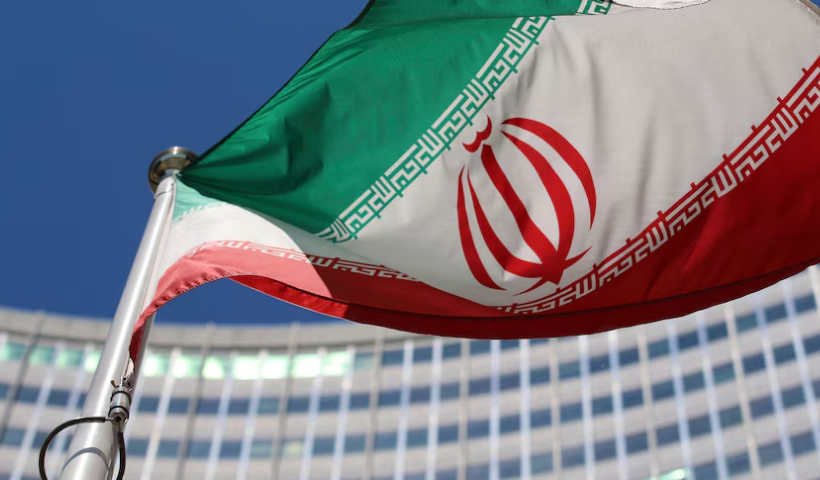
Tehran, September 28, 2025: For the first time in nearly a decade, Iran is once again under sweeping United Nations sanctions after European powers triggered the “snapback” mechanism of the 2015 nuclear accord, despite fierce objections from Russia and China.
The sanctions automatically reactivated at midnight GMT on Sunday, restoring arms embargoes, asset freezes, travel bans, and restrictions targeting Iran’s nuclear, missile, and banking sectors. Binding on all UN member states, the measures are expected to strain every corner of the Iranian economy, with ordinary citizens bearing the brunt.
In Tehran’s open market, the Iranian rial hit an all-time low of 1.3 million per US dollar, down sharply from 1.06 million just a month ago when the snapback process began. Trade was thin and volatile.
“Things are not looking stable at all,” said Rouzbeh, a 35-year-old merchant at the Grand Bazaar. “Imported goods will get more expensive and scarce. Some close shops to wait for stability, others hike prices — either way, people can’t keep up because their purchasing power isn’t rising.”
Iran already faces inflation above 40 percent, its highest in over two years. Newspapers reflected mounting anxieties: reformist Shargh mourned the “death” of the nuclear deal, while economic daily Donya-e-Eqtesad warned of worsening instability.
Beyond economics, many fear renewed military confrontation. In June, Israel and the United States launched 12 days of strikes across Iran, killing more than 1,000 people and causing billions in damage. Critics say Sunday’s sanctions could provide Israel fresh justification for more attacks.
Some Iranians recalled how Israel used a June resolution from the International Atomic Energy Agency (IAEA) as a pretext for strikes. “This feels like history repeating,” said a resident in northern Tehran.
While reformists lament the sanctions, ultraconservatives appear emboldened. Saeed Jalili, a hardliner on Iran’s Supreme National Security Council, hailed the end of the nuclear deal he has long opposed. “Today we must neutralise the enemy’s excessive demands,” he said in a recent speech.
The judiciary issued stern warnings to local media, saying it would act against outlets spreading “provocative content about price increases” that could “disturb psychological security.”
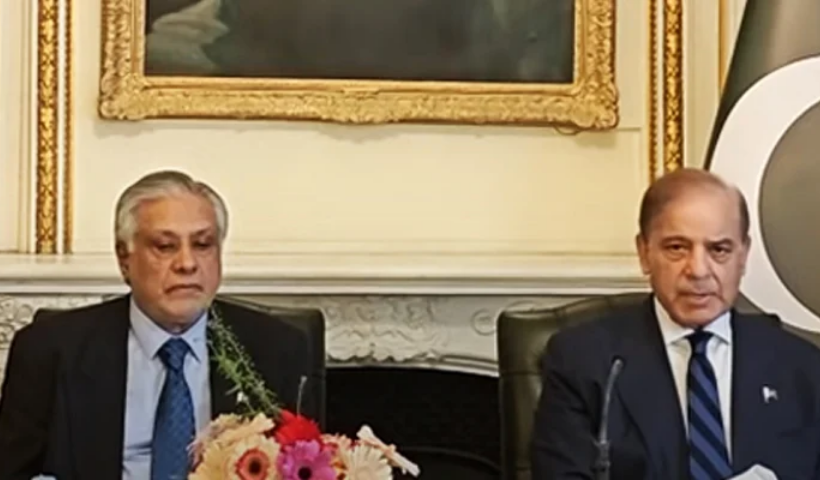
Supreme Leader Ayatollah Ali Khamenei has ruled out fresh talks with Washington, while President Masoud Pezeshkian accused the UK, France, and Germany of acting “at the behest of the United States.”
The snapback clause was designed to punish Iran if it violated nuclear limits. Tehran argues the West abused the mechanism since the US quit the deal in 2018 under Donald Trump while Iran was still compliant. Iran only began exceeding limits a year later, enriching uranium to 60 percent but insisting it never sought a bomb.
China and Russia have rejected the snapback as illegal, warning of broader fallout. Moscow went as far as to label the measures “null and void” at the UN Security Council, threatening to “seriously reconsider” ties with the UN Secretariat.
Meanwhile, Russia signed a $25 billion nuclear power deal with Iran last week, while China remains its largest oil buyer, benefiting from steep discounts. Still, both countries risk exposure to secondary UN sanctions if they deepen cooperation.
Analysts say Tehran could respond by restricting or halting IAEA inspections, leaving the Nuclear Non-Proliferation Treaty (NPT), or suspending commitments without formally withdrawing.
“Iran will try to circumvent sanctions as before, but the bigger question is whether it escalates politically by walking away from international oversight,” said Ali Akbar Dareini of the Center for Strategic Studies in Tehran.
He warned that Washington’s ultimate goal is to reshape the Middle East around Israel while containing China. “The big obstacle is Iran, so they are trying to weaken and destabilise it to achieve that goal.”