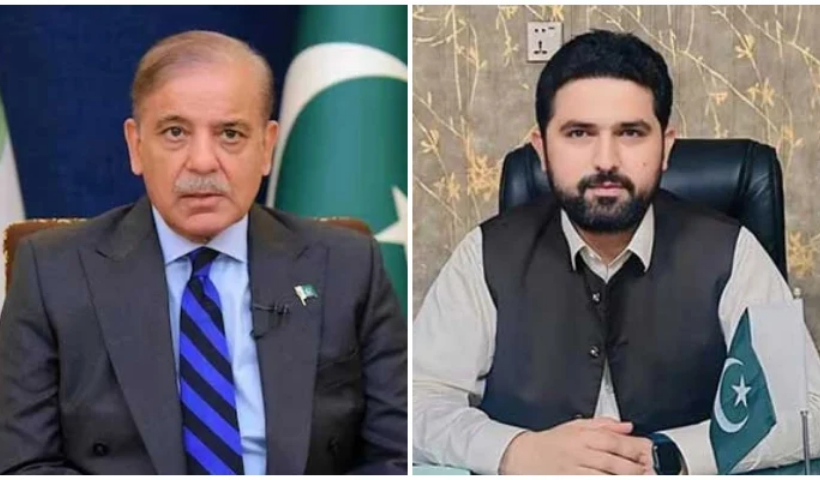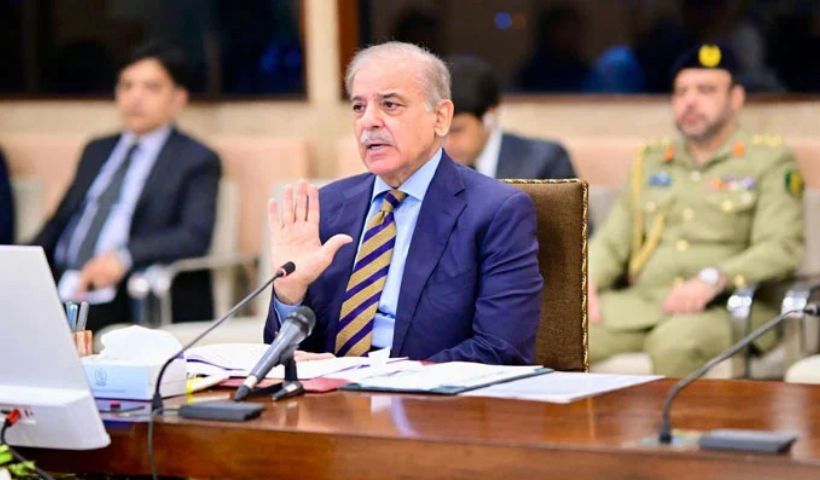
Islamabad, October 16, 2025: Prime Minister Shehbaz Sharif on Thursday said Pakistan is ready to hold talks with the Taliban regime in Afghanistan on “reasonable terms,” as both sides observe a 48-hour temporary ceasefire amid heightened border tensions.
Chairing a federal cabinet meeting on the Pak-Afghan border situation, the premier said the “ball is now in the Taliban regime’s court” for pursuing a permanent ceasefire and peace along the frontier.
He alleged that the recent cross-border attacks were carried out by the Taliban regime “at India’s behest,” noting that the assaults coincided with Afghan Foreign Minister Amir Khan Muttaqi’s visit to New Delhi.
According to the Inter-Services Public Relations (ISPR), Taliban forces and India-backed Tehreek-e-Taliban Pakistan (TTP), also referred to as Fitna al-Khawarij, launched an unprovoked attack on Pakistan on Sunday. The Pakistan Armed Forces responded in self-defence, killing more than 200 Afghan Taliban and affiliated militants, while 23 soldiers embraced martyrdom during the clashes.
Following Pakistan’s response, both countries — at Kabul’s request and with mutual consent — agreed to a 48-hour ceasefire effective from October 15.
“Unfortunately, despite Pakistan’s consistent efforts for peace, the Taliban regime chose the path of aggression,” PM Shehbaz said. “Our patience had run out following repeated cross-border attacks, leaving us with no option but to respond decisively.”
The prime minister added that Deputy Prime Minister Ishaq Dar, Defence Minister Khawaja Asif, and other senior officials had undertaken multiple visits to Kabul to convey Islamabad’s desire for regional peace and stability.
Islamabad and Kabul have witnessed renewed strain in relations amid the Taliban administration’s reluctance to act against terrorist groups operating from Afghan soil. Pakistan has recorded a sharp rise in terror attacks — particularly in Khyber Pakhtunkhwa and Balochistan — since the Taliban returned to power in 2021.
Pakistan has repeatedly urged Afghanistan to prevent its territory from being used by the TTP and other militant outfits to launch attacks across the border. The concern was echoed in a recent United Nations Security Council (UNSC) Analytical Support and Sanctions Monitoring Team report, which alleged operational, logistical, and financial links between the Afghan Taliban and the TTP.
Pakistan, which has hosted Afghan refugees for over four decades, continues repatriating undocumented nationals under the Illegal Foreigners Repatriation Plan. According to official figures, over 554,000 Afghans have returned since April 2025 — including around 145,000 in August alone.