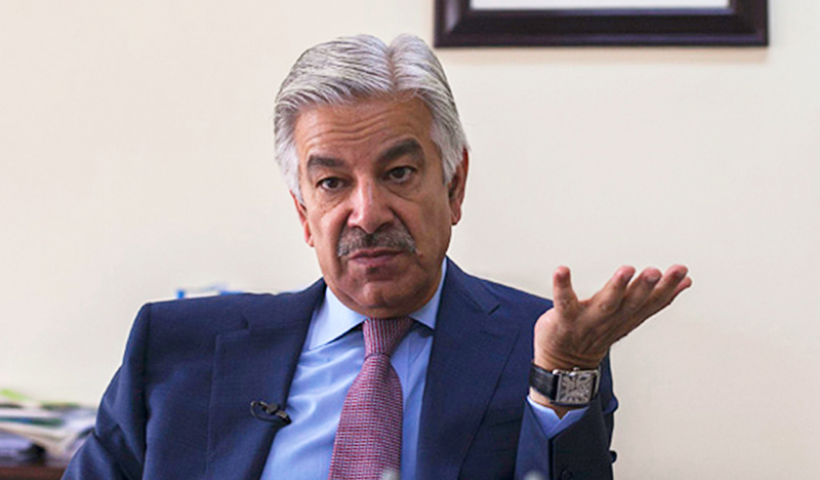
Islamabad, November 1, 2025: Defence Minister Khawaja Asif on Saturday accused India of attempting to keep Pakistan “busy and engaged” on both its eastern and western borders amid ongoing tensions with New Delhi and Kabul.
Speaking to a private news channel, Asif said Pakistan possesses evidence of India’s involvement in terrorist activities and its efforts to create instability on both fronts. “If there is a need for evidence, we have it — about India’s involvement in terrorism [in Pakistan] and how it wants to keep us occupied on two fronts,” he said.
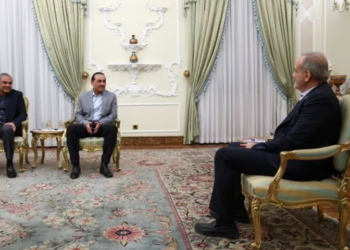
The defence minister’s remarks came a day after Pakistan and Afghanistan agreed to continue a ceasefire following weeks of strained ties and border skirmishes. The understanding was reached during Istanbul talks held on Friday morning, after days of diplomatic deadlock that nearly derailed the process.
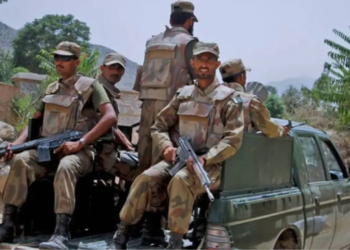
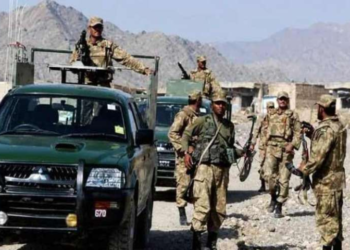
Tensions between the two countries flared earlier last month when Pakistan launched October 9 airstrikes targeting Tehreek-i-Taliban Pakistan (TTP) sanctuaries inside Afghanistan, prompting October 11 border clashes that lasted several days before a Doha-mediated ceasefire was formalised on October 18–19.
According to diplomatic sources, the second round of negotiations in Istanbul produced a three-point understanding — the continuation of the ceasefire, the establishment of a monitoring and verification mechanism, and penalties for violations. Operational details are expected to be finalised when senior representatives from both sides reconvene in Istanbul next Thursday.
Asif said all stakeholders — including the political leadership, the establishment, and the Pakistani nation — agree that terrorism emanating from Afghan soil must be completely stopped. “An immediate solution to the Afghanistan issue is necessary. The best outcome would be for both states to maintain a civilised relationship,” he added.
Commenting on the eastern front, Asif said Indian Prime Minister Narendra Modi had been “silenced” after India’s defeat in the May conflict with Pakistan, which ended following a U.S.-brokered ceasefire. Since then, Indian leaders and military chiefs have continued to issue “aggressive statements,” repeating terrorism allegations and hinting at possible “geographical changes” in any future conflict — claims Islamabad has consistently rejected.
Earlier in the day, Information Minister Attaullah Tarar alleged that an Indian intelligence agency had coerced a Pakistani fisherman into espionage after detaining him in Indian waters — another sign, he said, of New Delhi’s subversive designs.
A few days earlier, Asif had also accused India of waging a “low-intensity war” against Pakistan from Afghan territory, saying New Delhi was attempting to “settle the score” after facing defeat in the four-day May conflict.