Islamabad, November 10,2025: The Senate on Monday witnessed intense debate over the 27th Constitutional Amendment Bill as the government moved to secure its passage amid strong opposition protests and procedural delays.
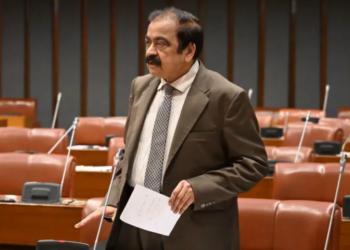
The session, chaired initially by Senator Manzoor Kakar in the absence of Chairman Syed Yousaf Raza Gilani, had listed the presentation of a report by the Senate Standing Committee on Law and Justice on its agenda. Senator Farooq H. Naek, who heads the committee, was expected to table the report. However, lawmakers continued debating the proposed legislation as the report remained pending.
A key federal minister, speaking to a newspaper on condition of anonymity, said the government was determined to have the bill passed “no matter what.”
Debate over constitutional court and military immunity
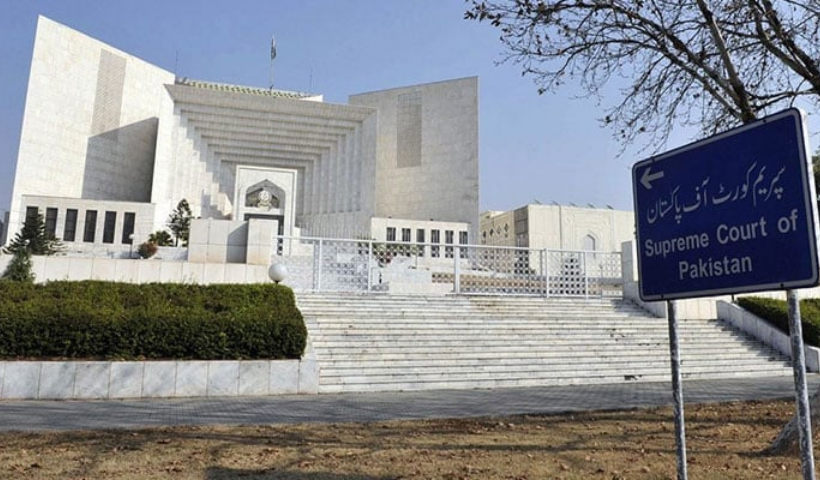
Proceedings began with speeches that could not be delivered a day earlier. PML-N Senator Agha Shahzaib Durrani opened the session, defending the proposed establishment of a constitutional court. He said the move was necessary to ease the burden of cases pending before the Supreme Court and accused the opposition, particularly the PTI, of “abolishing democracy” and turning the Presidency into an “ordinance factory” during its tenure.
PPP’s Senator Zamir Hussain Ghumro also backed the bill, rejecting opposition claims that the amendment was a “9/11 on Pakistan.” He argued that the Supreme Court had strayed from its original constitutional mandate by encroaching upon the domains of Parliament and the executive. “The constitutional court will strengthen the judiciary’s independence and the federation,” he maintained.
Ghumro also defended the proposed changes to Article 243 regarding the command of the armed forces, recalling the May conflict with India and lauding the role of the army chief. “The Field Marshal won a war for Pakistan and deserves immunity from criminal proceedings,” he said, adding that the amendment was a “milestone for democracy and the Constitution.”
Opposition criticism and procedural concerns
PTI Senator Fawzia Arshad criticized the bill, saying institutions were being undermined and their powers curtailed. She also protested the government’s delay in notifying the new leader of the opposition in the Senate following the disqualification of Shibli Faraz in August.
MQM-P’s Amir Waliuddin Chishti expressed dissatisfaction over the exclusion of his party’s proposed amendments to Articles 140-A and 142, which address local government and provincial advocacy matters. “Now I hear these may be shifted to the 28th Amendment,” he remarked.
PML-N’s Khalil Tahir Sindhu defended the proposed field marshal title for the army chief, emphasizing that “no land is being granted—only an honorary title, as practiced in other Commonwealth nations.” He dismissed opposition objections as “frivolous and baseless.”
Following the debate, Senator Kakar adjourned proceedings until 3:30pm.
Opposition vows to block amendment
Speaking to the media, PTI Senator Ali Zafar said the opposition would ensure the bill’s defeat if the government failed to muster the required two-thirds majority. “We oppose any move granting immunity from criminal proceedings. No one should be above the law—whether a president or a governor,” he asserted.
In response, Information Minister Ataullah Tarar defended the proposed immunity clause for the president, saying such provisions exist globally. “Heads of state enjoy immunity worldwide. There’s no harm in adopting this practice,” he said, while confirming that the prime minister had opted to drop a similar clause pertaining to himself.
Tarar added that the amendment aimed to promote good governance, strengthen federal-province relations, and enhance defence coordination. He said constitutional courts existed in other democracies and that the idea was originally part of the Charter of Democracy signed in 2006.
Vote count and legislative path
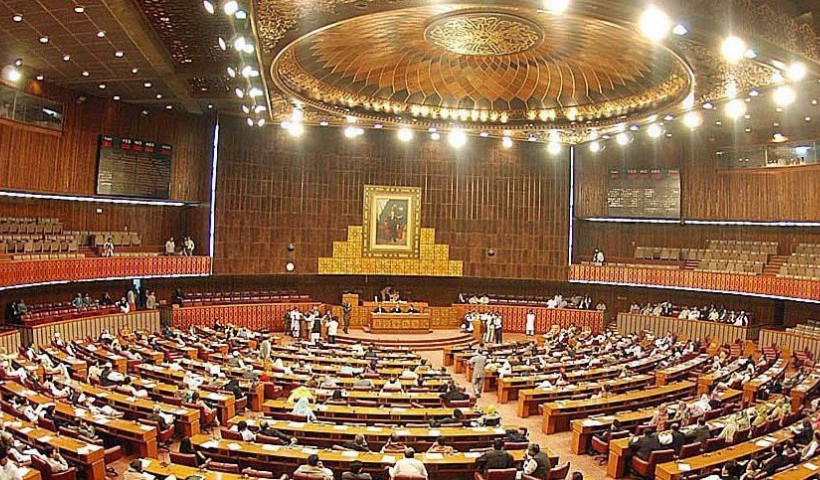
To pass a constitutional amendment, a two-thirds majority is required in both houses of Parliament. The Senate, with 96 members, needs at least 64 votes. The ruling coalition nominally commands 65 seats — including PPP (26), PML-N (20), BAP (4), MQM-P (3), ANP (3), National Party (1), PML-Q (1), and seven independents. However, Senate Chairman Gilani cannot vote, and PML-N’s Irfan Siddiqui is currently hospitalised, making the margin uncertain.
The bill must also pass the National Assembly, which meets later today. There, the ruling coalition enjoys a comfortable two-thirds majority, with 233 members out of 336.
Committee approval and deferred proposals
The 27th Amendment Bill, tabled on Saturday by Law Minister Azam Nazeer Tarar after cabinet approval, seeks to establish a federal constitutional court and grant lifetime status to the field marshal rank.
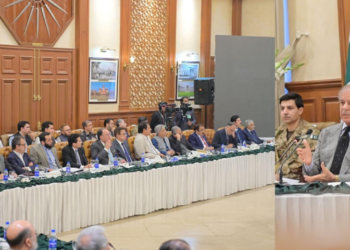
A joint session of the law and justice committees of both houses approved the bill on Sunday with minor changes, despite a boycott by the opposition. Deputy Prime Minister Ishaq Dar said all key clauses, including amendments to Article 243, were unanimously endorsed.
However, proposals from MQM-P for revising Article 140-A (local governments), ANP for renaming Khyber Pakhtunkhwa, and BNP for increasing Balochistan’s parliamentary representation were deferred for later consideration.
PM rejects immunity for Premier
Prime Minister Shehbaz Sharif intervened on Sunday to remove a clause proposing immunity for the prime minister, saying it contradicted principles of accountability. “An elected prime minister must remain fully accountable before the courts and the people,” he said in a statement on X (formerly Twitter).
Later that evening, the premier hosted a dinner for coalition senators, thanking allied leaders including President Asif Ali Zardari for supporting the bill. “Together, we have strengthened the federation, improved governance, and enhanced inter-provincial harmony,” the prime minister remarked.