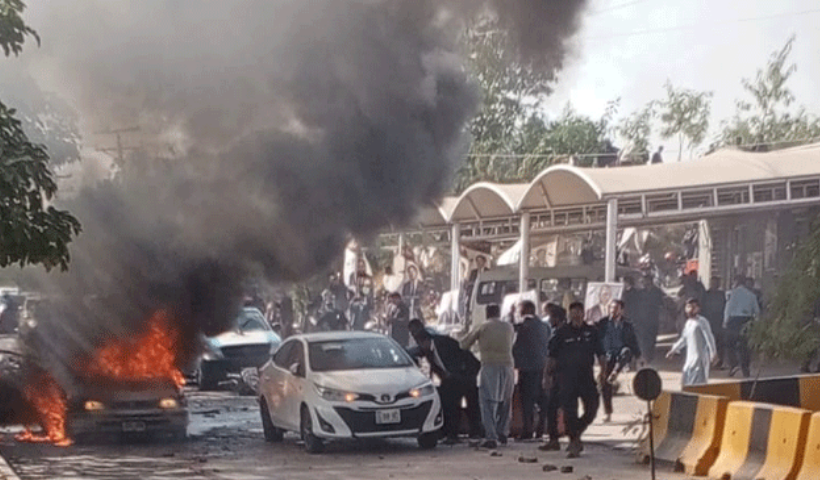
Islamabad, November 11, 2025: A powerful suicide blast outside the district and sessions court in Islamabad’s G-11 area on Tuesday left at least 12 people martyred and 27 others injured, in one of the deadliest attacks in the federal capital in recent years.
Confirming the toll, Interior Minister Mohsin Naqvi said the explosion occurred at 12:39pm when a suicide bomber attempted to enter the courthouse but, failing to find an opportunity, detonated explosives near a police vehicle parked outside.
“The suicide bomber remained at the scene for 10 to 15 minutes, planning to enter the building. When he could not, he blew himself up as soon as a police vehicle arrived,” Naqvi told reporters after visiting the blast site.
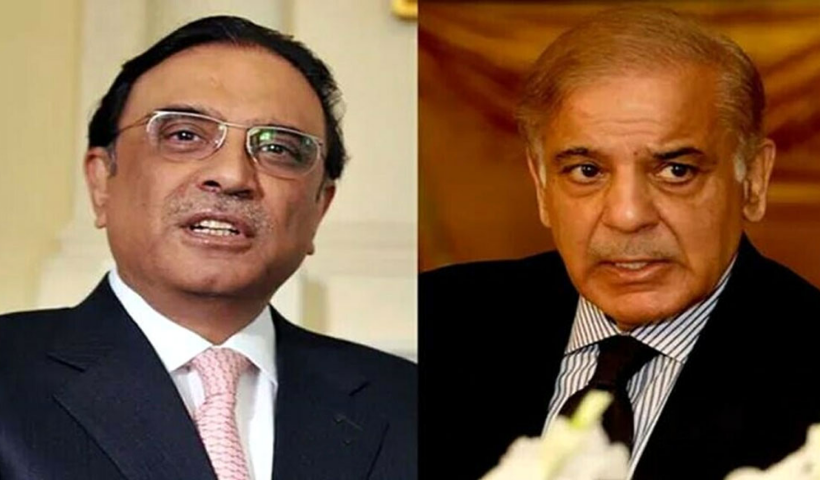
He added that Prime Minister Shehbaz Sharif had directed authorities to ensure the “best possible medical assistance” to the injured and stressed that identifying the attacker and his facilitators was the top priority.
“Those behind the court attack will be exposed soon. There are many links in this attack, and if someone from another country is involved, it will not be forgiven,” Naqvi warned.
Scene of chaos and rescue efforts
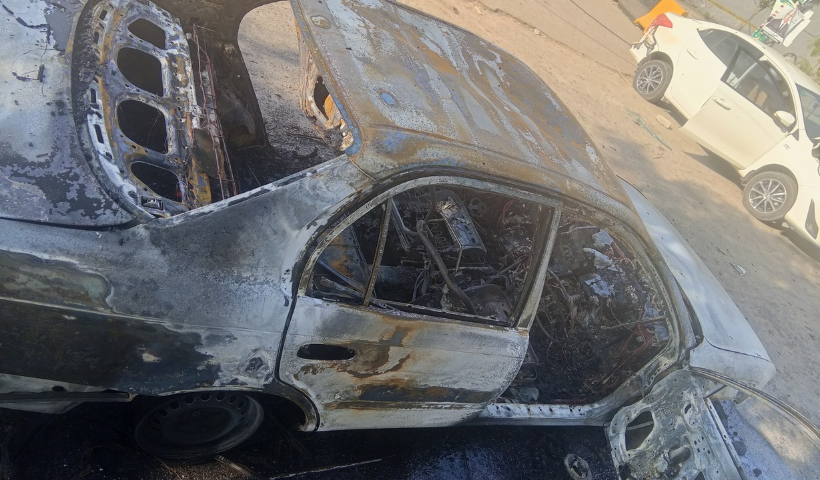
Witnesses said the explosion shook nearby buildings, causing panic among lawyers and litigants. The courthouse was immediately evacuated, and court proceedings were suspended.
Police, Rangers, and rescue teams rushed to the site as smoke and debris covered the entrance area. The head of the suspected suicide bomber was later recovered from the scene, officials confirmed.
An emergency was declared at PIMS Hospital, where most of the injured were taken. Among the victims were police personnel, lawyers, and petitioners present at the court at the time of the blast.
Islamabad Police Chief Ali Nasir Rizvi briefed the interior minister on the situation, while forensic teams began collecting evidence to trace the attacker’s identity and network.
Government reaction and security measures
Interior Minister Naqvi said initial investigations suggest the attack may have been coordinated by foreign-backed militants, hinting at India-linked groups and Afghan-based networks.
“Evidence indicates that the attackers were in contact with handlers in Afghanistan,” Naqvi said. “If these terrorists are not stopped, we will take care of them ourselves.”
Defence Minister Khawaja Asif, in a separate statement, said Pakistan was “in a state of war” and called the bombing “a national security wake-up call.”
Security has since been tightened across Islamabad, with additional checkpoints and patrolling in sensitive zones, including judicial complexes and government installations.
Linked attacks in Waziristan
Tuesday’s blast came just a day after an attack on Wana Cadet College in South Waziristan, where armed militants attempted to storm the military institution.
According to the Inter-Services Public Relations (ISPR), two attackers were killed by security forces while three others were trapped inside the compound during the operation.
Naqvi said the cadet college attackers had intended to take hostages but failed due to a swift military response. He added that the group was in communication with handlers based across the Afghan border.
Rising wave of terrorism
Pakistan has witnessed a sharp resurgence in militant violence since the Afghan Taliban took control of Kabul in 2021. Security agencies blame the Tehrik-i-Taliban Pakistan (TTP) and allied factions operating from Afghan territory for most cross-border strikes.
Official data shows that during the first eight months of 2025, Khyber Pakhtunkhwa alone recorded over 600 terror incidents, resulting in the martyrdom of at least 138 civilians and 79 police personnel.
The federal government has repeatedly urged the Taliban administration in Kabul to prevent its soil from being used for attacks against Pakistan.
Last month, Pakistani forces launched precision strikes on militant strongholds in Afghanistan’s Kandahar and Kabul provinces following cross-border firing, killing more than 200 militants. The two sides later agreed to a ceasefire after diplomatic engagement.
Nation on alert
Tuesday’s court attack has reignited concerns over Islamabad’s security preparedness. Analysts note that the capital, long considered a high-security zone, has seen an increase in targeted attacks over the past year despite enhanced surveillance.
Lawyers’ associations and civil society groups have condemned the bombing, urging authorities to strengthen intelligence coordination and protect public spaces.
As investigations continue, the latest blast underscores the growing challenge Pakistan faces in countering militant networks that are once again testing the state’s resolve — not just along its borders, but in the heart of the capital itself.