Dubai, November 13, 2025: Iran is facing its most severe water crisis in decades, with officials warning that Tehran — home to more than 10 million people — could soon become uninhabitable if the drought gripping the country continues.
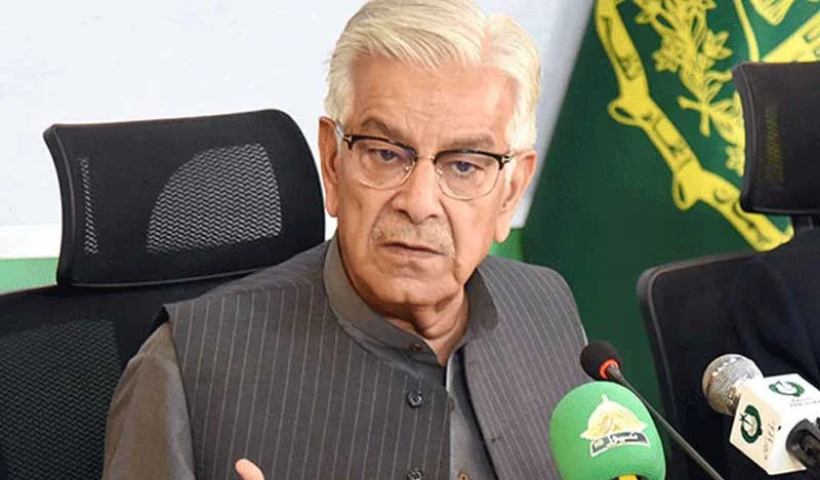
President Masoud Pezeshkian has cautioned that if rainfall does not arrive by December, the government will have to start rationing water in the capital.
“Even if we do ration and it still does not rain, then we will have no water at all. Citizens will have to evacuate Tehran,” Pezeshkian said on November 6.
The crisis poses a serious challenge for Iran’s clerical rulers. In 2021, severe water shortages triggered violent protests in Khuzestan province, while sporadic demonstrations were also reported in 2018, largely led by farmers accusing the government of chronic water mismanagement.
Experts and state media commentators say the country’s worsening water emergency stems not just from low rainfall and a scorching summer, but also from decades of mismanagement — including overbuilding of dams, illegal well drilling, and inefficient agricultural practices.
The government has blamed the crisis on the “policies of past administrations, climate change, and over-consumption,” but criticism has intensified as the issue dominates Iranian media through televised debates and expert panels.
While there have been no protests so far this year, the water shortage comes amid a crippled economy under Western sanctions tied to Iran’s disputed nuclear program. Analysts warn that prolonged shortages could fuel fresh unrest at a time when the government already faces international pressure over its nuclear ambitions — which Iran insists are peaceful.
Across the country — from Tehran’s crowded apartment blocks to smaller provincial towns — residents are feeling the strain.
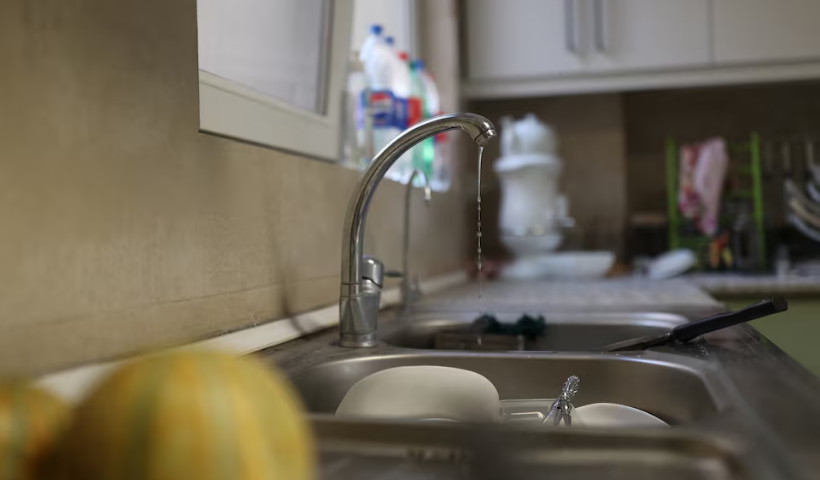
“When the taps went dry in my apartment last week, there was no warning,” said Mahnaz, a resident of eastern Tehran. “It was around 10 p.m. and the water didn’t return until 6 a.m. My children and I had to brush our teeth and wash using bottled water.”
Iran’s National Water and Wastewater Company has denied reports of formal rationing, but confirmed nightly reductions in water pressure, which have left some districts without supply for several hours.
Authorities have long urged residents to cut consumption. In July, officials reported that 70% of Tehran’s population was using more than the recommended 130 liters per person per day.
The shortages have compounded existing hardships. “It’s one hardship after another — one day there’s no water, the next there’s no electricity. We don’t even have enough money to live. This is because of poor management,” said Shahla, a 41-year-old schoolteacher from central Tehran.
According to Mohammadreza Kavianpour, head of Iran’s Water Research Institute, last year’s rainfall was 40% below the 57-year average, and forecasts predict continued dryness through December.
Tehran’s five key reservoirs, once able to store nearly 500 million cubic meters, now hold barely half that amount. Behzad Parsa, head of the city’s Regional Water Company, said water levels had fallen 43% compared to last year, leaving the Amir Kabir Dam at just 8% capacity. At current usage rates, reservoirs could run dry within two weeks, he warned.
The situation extends beyond the capital. Nineteen major dams — roughly 10% of Iran’s total — have already run dry nationwide. In Mashhad, Iran’s second-largest city with a population of four million, reserves have dropped below 3%.
“The pressure is so low that we don’t have water during the day. It’s all due to mismanagement,” said Reza, a 53-year-old carpet cleaner in Mashhad.
This year’s record-breaking heatwaves worsened the crisis. In July and August, the government declared emergency public holidays to curb energy and water use as temperatures soared above 50°C (122°F) in some regions.
Officials blame climate change for accelerating evaporation and groundwater loss, while critics accuse the government of neglect and political interference in environmental management.
Some religious leaders have even called for prayers for rain, reviving a long-standing Iranian tradition. “In the past, people would go out to the desert to pray for rain. Perhaps we should not neglect that tradition,” said Mehdi Chamran, head of Tehran’s City Council.
Authorities have introduced temporary measures — including lowering water pressure and transferring supplies from other reservoirs — while urging citizens to install storage tanks and pumps to cope with possible disruptions.
But many remain unconvinced. “Too little, too late,” said a university lecturer in Isfahan. “They make promises, but we see no action. Most of their ideas are not even practical.”