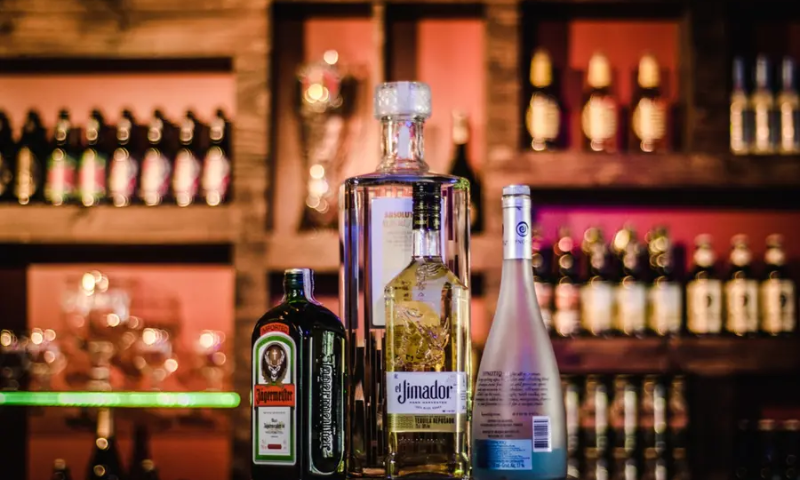
Riyadh/Dhahran/Jeddah, November 24, 2025: Saudi Arabia plans to open two new alcohol stores, including one for non-Muslim staff at state oil giant Aramco and another for diplomats in Jeddah, according to sources familiar with the plans. The move is part of the kingdom’s ongoing social and economic liberalisation efforts under Crown Prince Mohammed bin Salman.
The new outlets, expected to open in 2026, will follow the kingdom’s first official liquor store, launched last year in Riyadh’s diplomatic quarter for non-Muslim foreign envoys — a landmark development after a 73-year ban on alcohol.
“The Dhahran store will be set up in an Aramco-owned compound and will cater to non-Muslims working for the company,” one source said, adding that a second store for diplomats is planned in Jeddah.
A Saudi government media office and Aramco declined to comment, while no official timelines have been announced for the openings.
Since last year, the Riyadh store’s customer base has been expanded to include non-Muslim holders of Saudi Premium Residency, a visa introduced in 2019 for entrepreneurs, major investors, and individuals with special talents. Premium residency allows foreigners to live, work, and invest in Saudi Arabia without a local sponsor.
Several premium residency holders have reportedly already purchased alcohol from the Riyadh store. One resident told AFP:
“It saved me a lot of money rather than buying from the black market. Prices are reasonable and we finally can buy alcohol.”
Western diplomats also confirmed the store has been crowded, with some patrons reportedly buying up to 30 bottles at a time.
Alcohol remains off-limits for the majority of the population, but Crown Prince Mohammed has been pushing gradual social liberalisation. Recent years have seen citizens and foreigners allowed to participate in once-unthinkable activities such as dancing at desert festivals, attending cinemas, and international tourism events.
The kingdom’s easing of restrictions is aimed at attracting tourists and international businesses, aligning with its economic diversification strategy to reduce dependence on oil.
While the ban on alcohol for the general population remains, analysts say the selective relaxation for diplomats, foreign workers, and premium residents signals the government’s cautious approach to cultural and religious sensitivities.
Saudi Arabia is also aggressively expanding its tourism infrastructure, including the Red Sea Global development, which plans to open 17 new hotels by May 2026, positioning the kingdom as a growing global tourist destination.