New York, January 31, 2026: The United Nations Security Council (UNSC) has extended the mandate of the United Nations Peacekeeping Force in Cyprus (UNFICYP) for another year, until January 31, 2027, under Resolution S/RES/2815 (2026), adopted on January 30.
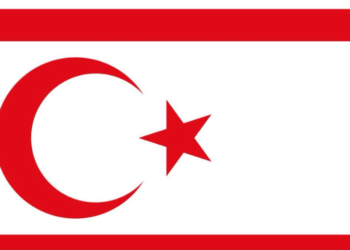
However, the decision has drawn sharp criticism from the Turkish Cypriot side, which described the extension as a “serious mistake” that undermines the legitimacy and credibility of the United Nations system. The criticism centers on the UNSC’s reliance on the unilateral consent of the Greek Cypriot administration—referred to by the Turkish Cypriot side as the “so-called Government of Cyprus”—without obtaining the consent of the Turkish Republic of Northern Cyprus (TRNC), despite explicit objections.
According to the statement, UNFICYP’s continued operations in the territory of the TRNC have so far been possible only due to the constructive and good-faith approach of the Turkish Cypriot authorities. It emphasized that sovereignty within the borders of the TRNC rests exclusively with the Turkish Cypriot people and their state, and argued that establishing a legitimate legal basis for UNFICYP’s activities through the explicit consent of the Turkish Cypriot side has become “urgent and unavoidable.”
UNFICYP was established in 1964 under UNSC Resolution 186 and has now entered its 62nd year. The Turkish Cypriot side contends that over time the mission has evolved into a de facto guardian of an unsustainable status quo, while failing to uphold its core principles of impartiality and equitable treatment.
The statement further accused the United Nations of deliberately maintaining ambiguity in its resolutions and reports regarding actions attributed to the Greek Cypriot side. It argued that the failure to clearly identify responsibility—despite information available to UN officials—undermines factual accuracy, violates the principle of impartiality, and encourages what it described as the Greek Cypriot side’s intransigent stance.
The Greek Cypriot administration was also accused of attempting to extend its control over the buffer zone and beyond, with the UN allegedly refraining from clearly reflecting recent developments on the ground, including buffer zone and border violations. Specific issues cited included the fenced-off area of Maraş, confidence-building measures, technical committees, Akyar, and the Yiğitler–Pile road.
According to the statement, the Greek Cypriot side’s continued pursuit of dominance over the entire island and its lack of genuine engagement toward a fair, lasting, and sustainable settlement are reinforced by what it described as unjust and partial treatment by the United Nations. It added that while constructive proposals by the Turkish side are ignored, vague language continues to obscure the root causes of the Cyprus problem.
The statement also rejected the UNSC’s continued insistence on a “bi-communal, bi-zonal federation,” calling it an outdated and repeatedly unsuccessful model that has never been genuinely accepted by the Greek Cypriot side. It argued that perpetuating open-ended negotiations under this framework effectively condemns Turkish Cypriots to an unacceptable status quo.
Instead, the Turkish Cypriot side maintained that the only realistic and sustainable solution lies in the development of good-neighborly relations between two existing states on the island, based on sovereign equality and equal international status. It called on UNSC members to review what it described as outdated resolutions and adopt a new approach reflecting the reality of two peoples and two states, each exercising sovereign authority within its own boundaries.
Concluding the statement, the latest UNSC resolution extending UNFICYP’s mandate was deemed unacceptable, citing what was described as the unlawful treatment of the Greek Cypriot administration as a “state” and the continued failure of the Security Council to uphold impartiality.